
Announcing the recipients of the 2021 CHILD-BRIGHT Graduate Student Fellowship in Patient-Oriented Research

Français

CHILD-BRIGHT is delighted to announce the recipients of the 2021 CHILD-BRIGHT Graduate Student Fellowship in Patient-Oriented Research.

The fellowship is designed to enhance the training experience of graduate students and postdoctoral fellows who are engaged in patient-oriented research (POR) relating to brain-based developmental disabilities in children. It also aims to increase patient engagement throughout the process by enriching current POR practices or augmenting the research project.

POR is integral to evidence-informed health care and CHILD-BRIGHT is proud to support the POR projects of the following six recipients:


1. Adapting in-home data collection for families of children with severe neurological impairment 

Recipient: Katelynn Boerner 

Project Summary: As a co-investigator of the Living Lab at Home (LLAH) research initiative, led by PIUO Co-Principal Investigator Tim Oberlander, Katelynn has been helping develop a platform for researchers to gather data about potential markers for patient distress at home. Katelynn is now seeking to understand how to adapt this platform to better serve families of adolescents with severe neurological impairment (SNI). 

With this project, Katelynn aims to answer four research questions: (1) How do families of adolescents with SNI feel about in-home data collection, and will they engage in it? (2) What adaptations would be required to make this type of data collection feasible for, and reduce burden on, families? (3) What are these families’ research priorities? (4) Can the information gathered through this project be adapted into a platform for conducting community-based research for families across the developmental spectrum? 


2. HEIGHTEN: Home-based Early Intensive Hemiparesis Therapy: Engaging Nurture
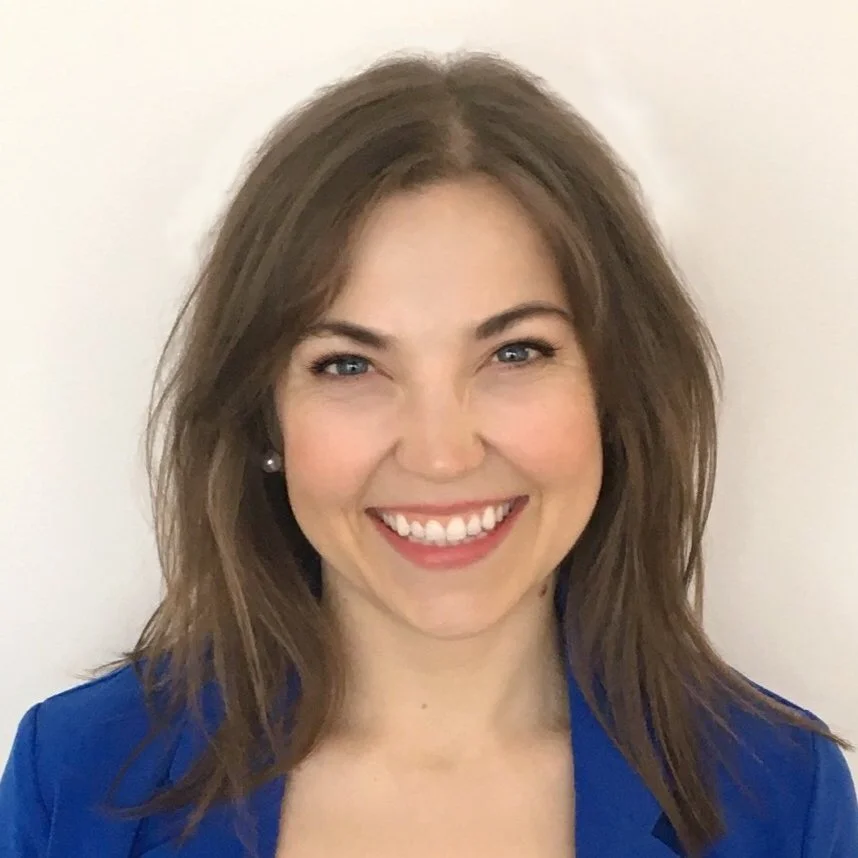
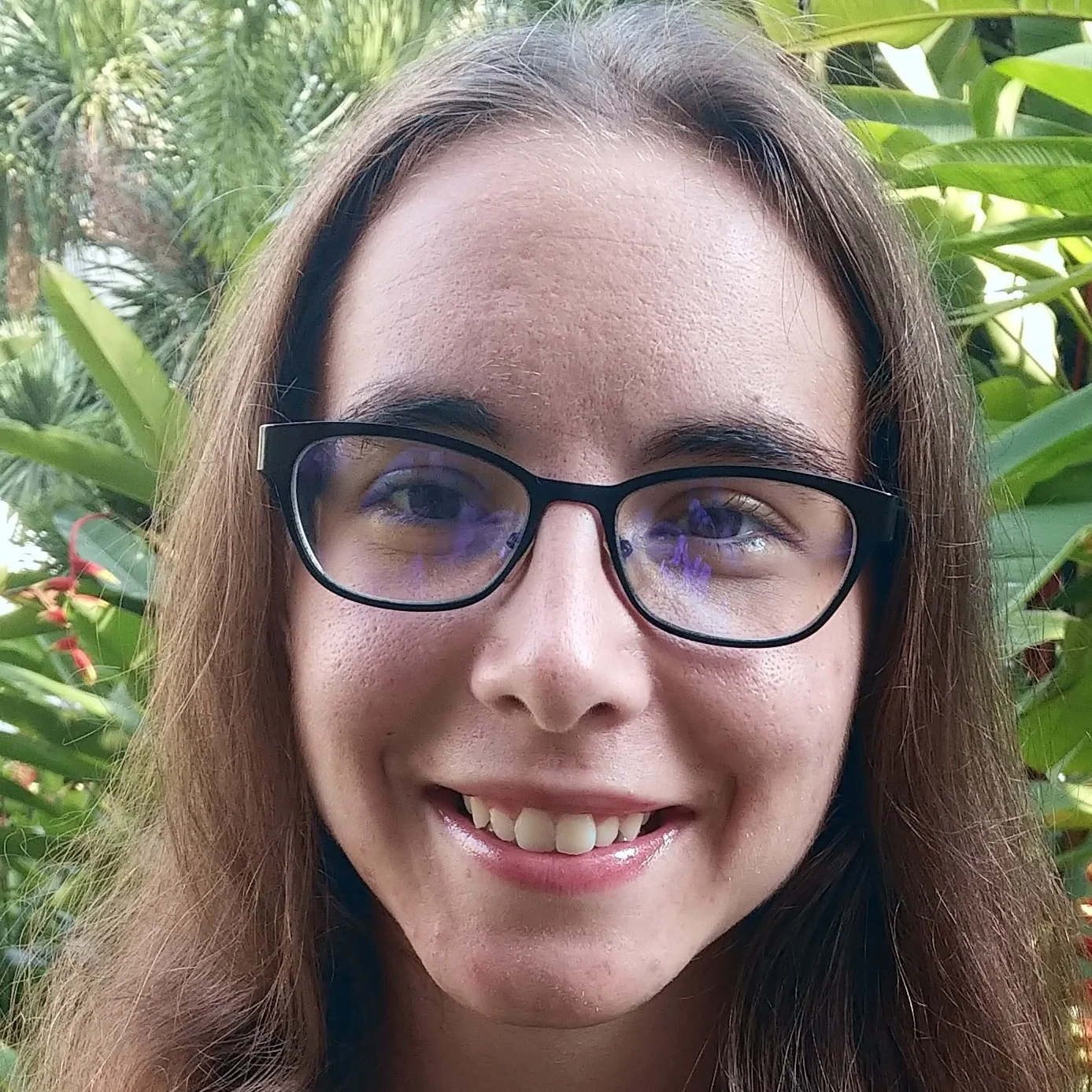
Headshot of Alicia Hilderley

Recipient: Alicia Hilderley

Project Summary: Early intervention is increasingly recognized as critical for optimizing the long-term health and wellbeing of infants and toddlers with hemiplegic cerebral palsy (HCP), or CP affecting one side of the body. However, questions remain about the ideal format. Coaching caregivers to deliver upper limb therapy at home seems promising. This format could allow for a higher therapy dose at lower cost, make therapy more easily accessible for families, and encourage lasting improvements in hand and arm function.

With this project, working under the supervision of SPORT Principal Investigator Adam Kirton, Alicia aims to answer two research questions: (1) Is a home-based upper limb therapy program for infants and toddlers with HCP feasible for, and acceptable to, caregivers and therapists? (2) Is this program effective in achieving functional goals and in improving arm/hand function for infants and toddlers with HCP?


3. The Examination Under Anesthesia (EUA) Project: Optimizing care and minimizing trauma in children and youth with severe neurodevelopmental disorders and behavioural complexity requiring sedation
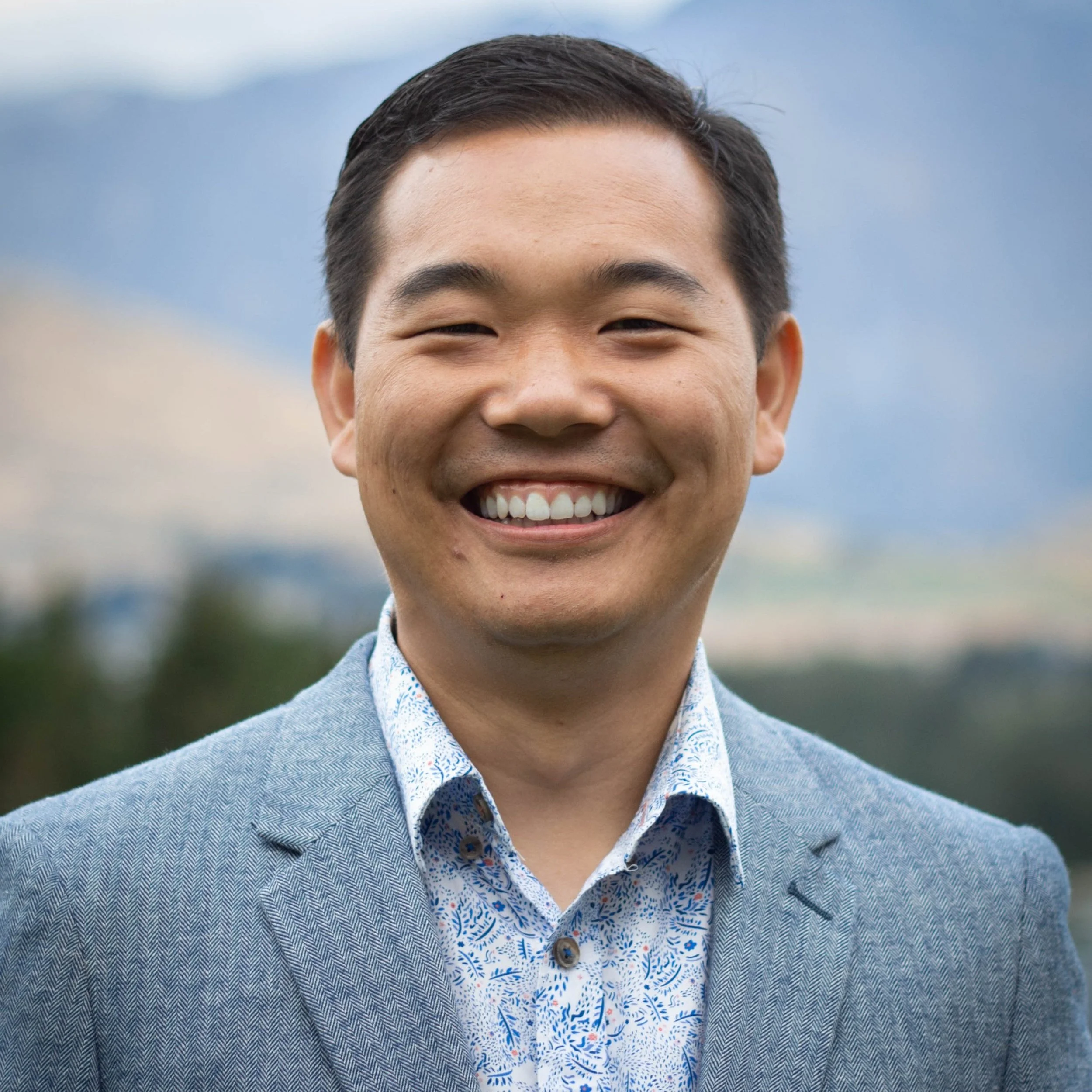
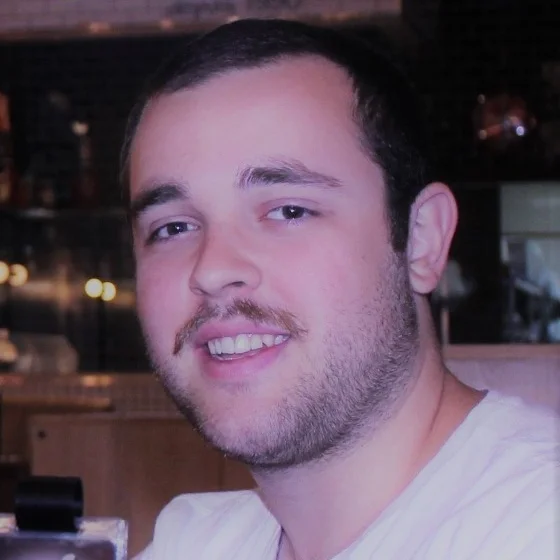
Headshot of Aaron Ooi

Recipient: Aaron Ooi

Project Summary: Parents of children and youth with brain-based developmental disabilities and behavioural complexity have often voiced their frustration with the difficulties in coordinating care between health services for their child. Such difficulties in coordination often results in inequitable access to medical examinations and investigations that frequently require anesthesia.  The process for accessing such procedures is also frequently traumatic for patients, caregivers, families and staff, as even for simple procedures such as blood tests, multiple adults can often be required to restrain the child.

With this project, and working under the supervision of PIUO project Co-Investigator Anamaria Richardson, Aaron aims to record accounts of the lived parental experiences in these situations and amplify their narratives. It is hoped that these narratives will subsequently inform decision makers at a management and operations level in planning for, and improving, current sedation services for these patients.


4. Enhancing access and engagement in pediatric telerehabilitation for children with neurodevelopmental disabilities and their families
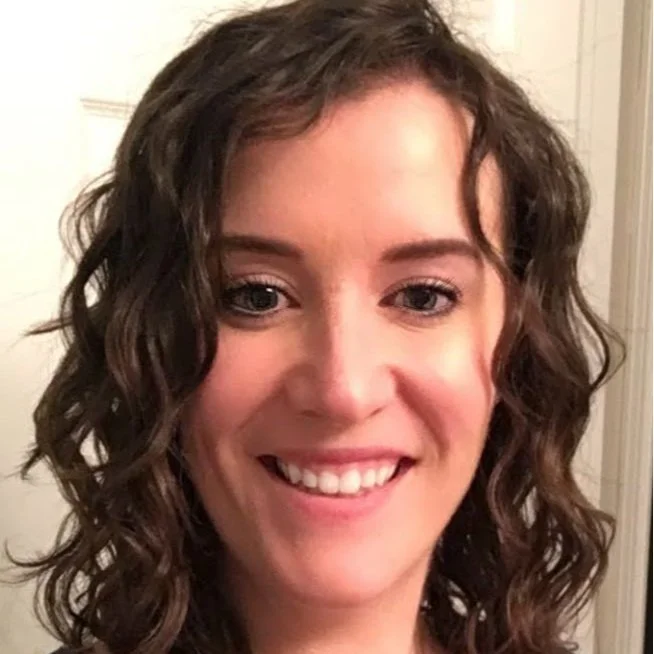
Headshot of Meaghan Reitzel

Recipient: Meaghan Reitzel

Project Summary: COVID-19 restrictions have limited access to in-person children’s rehabilitation services. Service providers have pivoted to supporting families using telerehabilitation platforms to provide therapeutic services remotely. Although convenient, using these platforms can continue to present barriers for children and families needing to access crucial services.

With this project, Meaghan aims to co-design and evaluate innovative solutions that will enhance the accessibility of, and engagement in, telerehabilitation for children with brain-based developmental disabilities. In collaboration with patient-partners (parents of a child with a  brain-based developmental disability) and a knowledge user partner (KidsAbility), Meaghan will: (1) examine the patterns of missed telerehabilitation visits; (2) develop and implement innovative solutions to enhance access and engagement in telerehabilitation; (3) evaluate the implementation of solutions at a Children's Treatment Centre in Ontario.


5. Codesigning and evaluating a workplace disability disclosure decision-aid and planning tool for autistic youth and young adults to enhance self-determination and decision-making skills

Headshot of Vanessa Tomas

Recipient: Vanessa Tomas

Project Summary: Canadian youth and young adults on the autism spectrum face underemployment (i.e., lower pay/hours, tasks that are below their intellectual potential) and shockingly low employment rates despite their willingness to work. Disclosing their autism and/or related needs at work may improve employment outcomes, but the decision-making process around whether and how to disclose can be complex. As part of her doctoral research, Vanessa worked to better understand the workplace disclosure experiences of Canadian autistic youth and adults. Her findings revealed the need for a disclosure decision-aid and planning tool that is sensitive to intersectional identities and cultivates decision-making and self-determination skills, which she now aims to co-design and evaluate in collaboration with four autistic youth and young adult partners.

With this project, Vanessa aims to answer the research question: What is the usability, feasibility, and perceived impact of such a disclosure decision-aid and planning tool for autistic youth and young adults when it comes to enhancing decision-making and self-determination skills?


6. Improving Decision Making in the Neonatal Intensive Care Unit – a Quality Improvement Initiative 
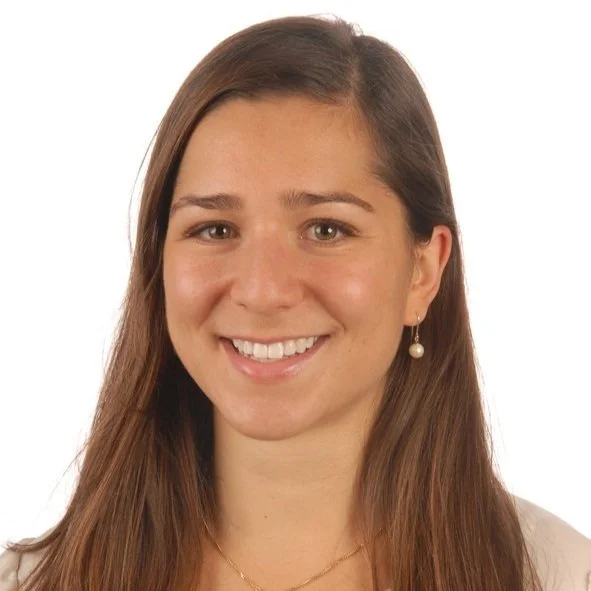
Headshot of Maya Dahan

Recipient: Maya Dahan

Project Summary:  Maya is working on a tool to help medical teams working in the neonatal intensive care unit (NICU) collect, document, and transfer the essential information that clinicians need to know to best support newborn babies and families. This tool will standardize information-gathering and develop a process for its implementation based on parental and medical team input. It is particularly important for this information to be well documented and transferred in the NICU, because most infants in the NICU are hospitalized for a prolonged period of time and are cared for by different care providers. Without standardization, there is significant opportunity for errors and omissions that can negatively impact the family’s partnership with the medical team.  

With this project, working under the supervision of CCENT Principal Investigator Paige Church, Maya aims to enhance communication between families of infants and the NICU staff about the family’s context, values, and goals and how they affect their decision-making process. In so doing, she hopes to shed light on how an interdisciplinary team can improve their communication with families around their context, values, fears, and goals while creating a framework for improvement. 
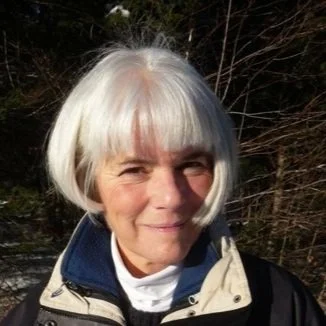
Donna Thomson selected as first recipient of Frank Gavin Patient Engagement Leadership Award

Français

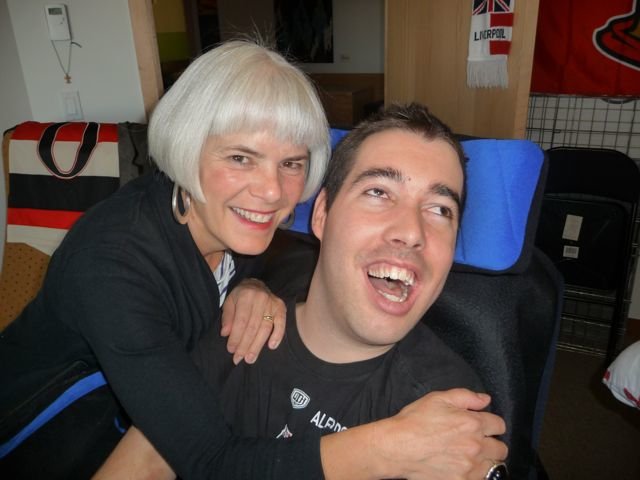
The CHILD-BRIGHT Network is delighted to announce that Donna Thomson has been selected as the first recipient of the Frank Gavin Patient Engagement Leadership Award!

The prize, launched in September 2021, honours Frank Gavin, CHILD-BRIGHT's first Director of the Citizen Engagement Program. It also recognizes patient engagement leaders in research related to children and youth with brain-based developmental disabilities.

About Donna

Donna was selected for her many years of exemplary leadership and active participation in patient-oriented research. She has been working in partnership with CHILD-BRIGHT since its inception in 2016.

As a mom to Nick, who was born with severe cerebral palsy, Donna is a tireless advocate for children and youth with brain-based developmental disabilities and their families in research. Donna has been a parent partner on numerous research studies within CHILD-BRIGHT and beyond, including as part of Strongest Families Neurodevelopmental Program (Strongest Families ND)’s Parent Advisory Committee, the Life Beyond Trauma Program, and READYorNot™ Brain-Based Disabilities Program’s Family Advisory Council. She has also co-authored published papers on these studies and co-presented webinars and rounds with principal investigators at national and international conferences.

She was also a long-serving member of CHILD-BRIGHT's Citizen Engagement Council (CEC) and Network Steering Committee (NSC). As a CEC member, she contributed to the development of our What’s My Why? blog series and shared her own story. In partnership with another patient-partner, Donna also proposed the concept for the My COVID Disability Q social media campaign, which invited youth and their families to ask questions related to disability and COVID-19 and get credible answers from Canada’s leading disability experts. In 2020, she co-authored CHILD-BRIGHT’s rapid review of COVID-19 and children with brain-based developmental disabilities. Alongside several other CHILD-BRIGHT members, she also co-authored Time to be Counted: COVID-19 and Intellectual and Developmental Disabilities, a policy brief published by the Royal Society of Canada.

Outside of CHILD-BRIGHT, Donna has served as director and co-chair on the Board of Directors of the Kids Brain Health Network (KBHN). In addition, she is a co-designer and co-instructor of the  Family Engagement in Research Certificate Program and the upcoming Leadership Academy at  CanChild, both funded by KBHN in partnership with McMaster Continuing Education.

A powerful demonstration of value that research engagement can bring

In recognition of her incredible efforts, Donna will be presented with a plaque as well as registration and travel allowance of $1,000 for a conference of her choice in the U.S. or Canada.

“I am honoured and delighted to be the recipient of the first Frank Gavin Patient Engagement Leadership Award,” says Donna. “To be honest, it is like receiving a lovely and unexpected gift!”

“I am grateful to Frank Gavin for the example of excellence that he set in patient engagement in research at CHILD-BRIGHT and for the positive change that he co-led towards an inclusive culture of childhood disability research in Canada,” Donna adds.

“This award is an important way that we can shine a light on the substantive contributions of patients and families in research and is a powerful demonstration to both the research and patient/family communities of the value that research engagement can bring.”

“A natural leader and humble mentor”

Sharon McCarry, the CHILD-BRIGHT Network’s current Director of Citizen Engagement, congratulated Donna on being the recipient of the inaugural award.

“Even before I met Donna in person, I knew she was a leader who was widely sought after for many roles in initiatives for change within the disability community nationally,” she says.

“I first met Donna as a member of the Parent Advisory Committee for Strongest Families ND a few years ago. She was a natural leader and humble mentor to our group. Over the years, she has continued to shine with confident authority in her knowledge and experience that sets her apart from others,” Sharon adds.

“Her thoughtfulness towards any issue she is asked to take part in is always reflective as she understands how powerful words are, which I find inspiring. Congratulations, Donna!”

Everyone at CHILD-BRIGHT congratulates Donna and we are delighted to be able to celebrate her and her achievements in this way. We are also grateful to everyone who submitted an application in 2021, and recognize the high quality of the submissions we received. Applications for the second iteration of the Frank Gavin Patient Engagement Leadership Award will open in fall 2022.

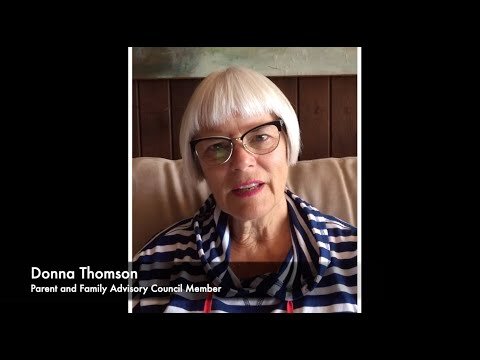
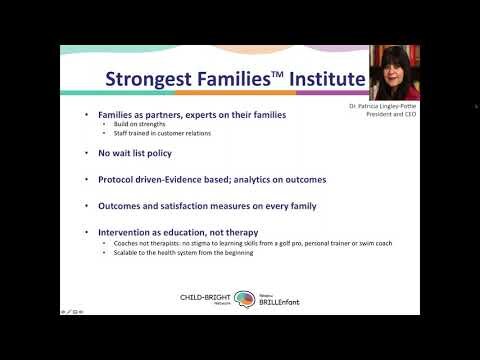
Check out a selection of Donna’s contributions to webinars and recruitment videos below.

CHILD-BRIGHT Scientific Co-Director Steven Miller accepts new professional appointments at BC Children’s Hospital and UBC

Steven Miller

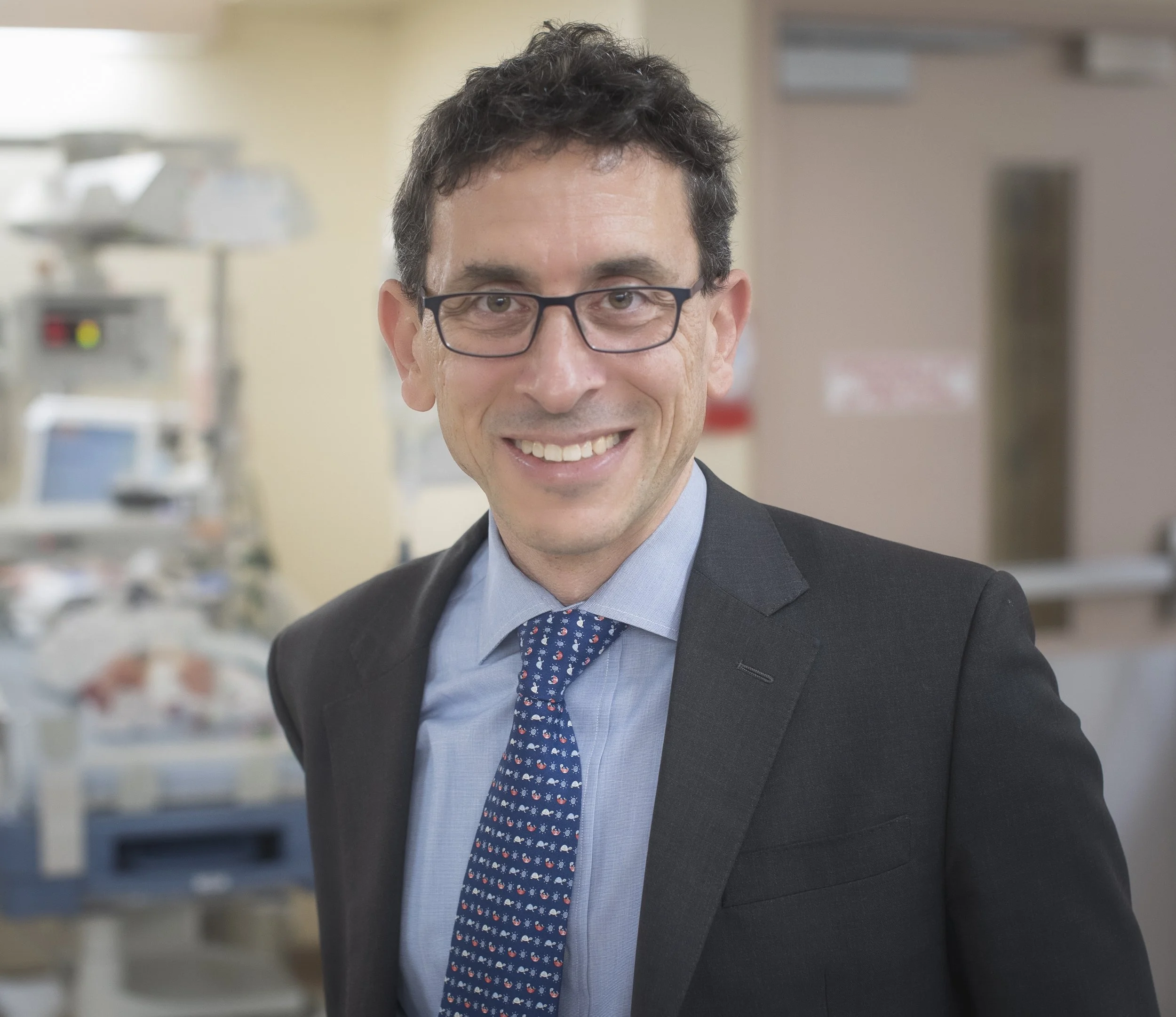
Congratulations to Steven Miller, CHILD-BRIGHT’s Scientific Co-Director, our Research Program Lead, and a Principal Investigator of the CHILD-BRIGHT MATernal hyperoxygenation in Congenital Heart Disease (MATCH) project on his new professional appointments. 


Effective April 1, Steven will be moving from his current positions as Head of the Garry Hurvitz Centre for Brain & Mental Health and Head of the Division of Neurology at the Hospital for Sick Children into the positions of Chief of Pediatric Medicine at BC Children’s Hospital and Head of the UBC Department of Pediatrics. Steven is already an affiliate professor at UBC and is involved in several research collaborations there.

Steven’s functions at CHILD-BRIGHT will remain unaffected by these new appointments.

“I am very excited to be joining talented teams at BC Children’s and UBC who are committed to improving the health of children,” says Steven. “I look forward to applying all I have learned about patient and family engagement from my CHILD-BRIGHT collaborators. I am also optimistic about CHILD-BRIGHT’s next phase, which will mobilize our learnings from Phase 1.”

Join us in congratulating Steven, and visit our Research Program page to learn more about the work that he leads at CHILD-BRIGHT.

Connect with Steven on Twitter

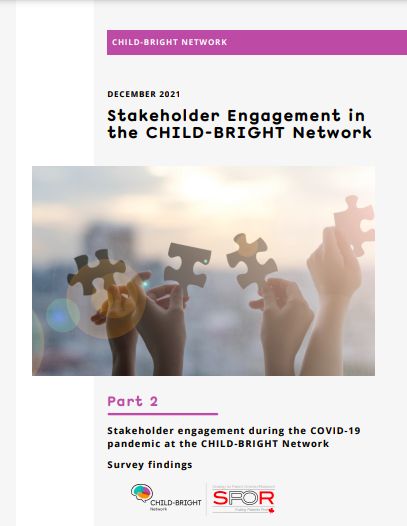
The Evolution of Stakeholder Engagement at CHILD-BRIGHT from 2018 to 2020, Part 2: Stakeholder Engagement during COVID-19

Français

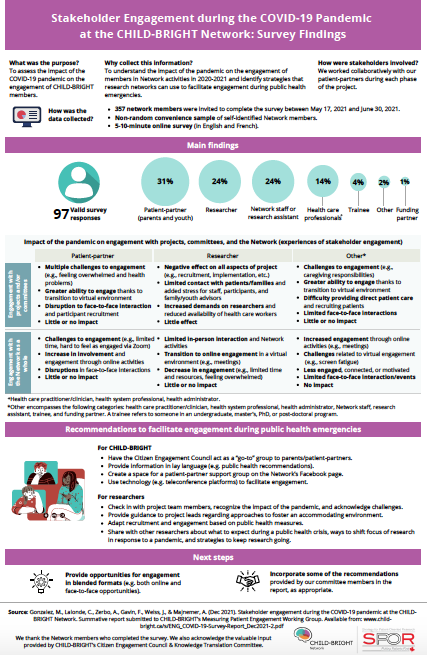
The COVID-19 pandemic has had a significant and far-reaching impact on CHILD-BRIGHT’s activities. To better understand how it has affected stakeholder engagement in our network, we asked our members to share their experiences with us. Thanks to the input of nearly 100 members who completed an online survey between May and June 2021, we found that the engagement of most stakeholder groups, including patient-partners, researchers, network staff, and trainees, was impacted in a range of ways.

This is Part 2 of a three-part series on patient engagement prepared by the CHILD-BRIGHT Network's Measuring Patient Engagement Working Group, a collaborative group of members from our Knowledge Translation and Citizen Engagement programs.

 
Download the full report
Download an infographic summarizing the key findings
 

Read Part 1 here. In Part 3, we will share the results of a series of interviews with our network members about the barriers and facilitators of engagement experiences, as well as the impacts of patient-oriented research on patient-partners and researchers.

Here are some of our key findings:

All stakeholder groups, including patient-partners, researchers, and other network members, found it challenging to engage with projects, committees, and the network as a whole.  

I found myself distracted and preoccupied with other matters relating to my own and my family’s health and well-being – I found myself overwhelmed with the amount of work on the committees in spite of the pandemic - it seemed to slow certain parts down or accelerate others.
— Network staff/Research Assistant

Members also noted a few positive impacts on engagement in this time, such as being able to engage more with the network through online activities.

Engaging online has become a norm which allows for more connection and ability to engage with the network as a whole. I am grateful for increased number of online opportunities.
— Trainee

Others still experienced little to no impact in their ability to engage with the network.

Lessons learned

There are many lessons to be learned from our members’ engagement experiences during the pandemic to date. The network’s Knowledge Translation (KT) committee and Citizen Engagement Council (CEC) reviewed the survey findings and provided a set of recommendations on improving engagement during a public health crisis. These are included in the report.

What’s next?

The findings of this survey represent a snapshot of network members’ experience since March 2020. We may need to continue to assess the current and long-term impact of the pandemic on network engagement. We will also be taking a closer look at the recommendations provided by the KT committee and CEC.

Read the full report

Did you miss the other two parts of this series? Read Part 1 and Part 3 now.

CHILD-BRIGHT National Youth Advisory Panel welcomes presentation on land acknowledgments

 
Français

As we continue to do our part to root out colonialism and systemic racism in paediatric health care, we are starting conversations about Equity, Diversity, Inclusion, Decolonization, and Indigenization (EDI-DI) at every level of the CHILD-BRIGHT Network.   

Symbia Barnaby

As part of these efforts, we were delighted to welcome Symbia Barnaby to give a presentation on the importance of Indigenous land acknowledgements to members of our National Youth Advisory Panel.   

Living in northern British Columbia, Symbia is an Indigenous woman of Haida and Mi’kmaq descent. Her traditional Haida name is Guu Gang Jung and her spirit name is Warrior Woman. She has consulted, developed, and run many workshops on anti-racism, disability, inclusive education, intersectionality, and health equity through an Indigenous lens. She is currently a member of CHILD-BRIGHT's Citizen Engagement Council (CEC).   

Together, Symbia and the NYAP members discussed the following topics:   

Why land acknowledgments are important and when to use them

During the conversation, Symbia told the group that acknowledging the traditional territory we are on is part of “our collective responsibility to the truth and reconciliation process”.  

“Part of the truth and reconciliation process is truth-telling. We can’t have reconciliation without first telling the truth,” she said.   

“Every person who considers themselves Canadian has a role to help with the truth and reconciliation process. So, every time we do a land acknowledgement, that’s part of us taking up our responsibility as Canadians to engage with that process.”   

“It is also important to take the time to reflect and learn about why this acknowledgement matters to Indigenous Peoples,” adds Symbia. “This genuine commitment to understanding, learning, reflecting, and honouring is key to the relationship building process that this land acknowledgement strives to encourage.”   

Symbia also explained that land acknowledgements are a first step toward including Indigenous voices and perspectives, and shouldn’t be viewed as the end of work to advance truth and reconciliation.   

The group also discussed the many ways and times land acknowledgements can be used (e.g. in email signatures, on websites, and at the beginning of events like conferences, conventions, meetings, and webinars). 

How to find out whose traditional territory we live on

From top left to bottom right: Alix Zerbo, Knowledge Translation Coordinator; Julia Tesolin, NYAP Administrative Assistant; Roberta Cardoso, Research Associate, Knowledge Translation; Symbia Barnaby, presenter and CEC member; Corinne Lalonde, Citizen Engagement Coordinator/Project Manager; Jane O’Faherty, Communications Advisor; Hans Dupuis, NYAP member; Neela Spurway, NYAP member; Lena Faust, NYAP member; Mathias Castaldo, NYAP member; Logan Wong, Chair of the NYAP; Claire-Dawe McCord, NYAP member.

Symbia also shared some resources to help people identify which traditional territory they live on, like Native-Land.ca and Whose.Land.

The group also discussed the differences between “treaty land”, “unceded territory” or intersectional space - words often heard in land acknowledgements, but not always fully understood.   

Treaty land refers to land that Indigenous peoples agreed to share in exchange for payment, goods, or promises as part of a treaty with the Crown. Historically, treaties with Indigenous Peoples have not always been honoured.   

Unceded territory refers to land that has belonged to Indigenous people that was never surrendered or acquired by the Crown.   

There are also areas where the traditional territories of numerous Indigenous communities overlap and the communities share this land and its resources. These communities have a special spiritual, cultural, and economic connection to this land that goes back thousands of years.  

 “For some people, this is the first time they’ve ever had someone talk to them about a land acknowledgement,” she said. “Sometimes, people hear land acknowledgements all the time but they don’t understand the pieces of it.”   

“When we talk about land acknowledgements, if we don’t have that understanding of the history of Canada, it’s really hard to understand what those words mean,” she added.   

What a land acknowledgement should include

Before concluding, Symbia shared tips with the group about what to include in a land acknowledgment, such as:

  • Your name, or the name of the organization, company, business, club, or group that you are writing the land acknowledgement for

  • Acknowledging positionality, or how our position or the power we hold in society influences our identity. You can do this by sharing if you are a newcomer to Canada, a descendant of a family that settled in Canada, a member of an Indigenous group

  • Acknowledging the traditional territory that you are on and explaining whether it is treaty land, unceded territory or intersectional space

  • Your commitments or next steps to helping the truth and reconciliation (e.g. familiarizing yourself with the Truth and Reconciliation Commission’s 94 Calls to Action, adding land acknowledgements to email signatures, reading books and watching films that centre Indigenous voices, etc.).

Having cultural humility was also important, said Symbia. This means understanding that we might make mistakes, such as pronouncing a traditional territory’s name wrong, but showing that we’re doing our best.   

“Knowing that you will likely make a mistake is okay. Asking questions and telling people that you wholeheartedly want to know is really important. We need to understand that a big part of this is learning about each other and building safe connections.”  


Going beyond acknowledgement to genuine action

“Symbia’s presentation was great,” said Logan Wong, Chair of the NYAP. “I think it would be important to discuss/think about whether we want to make a collective land acknowledgement or individualized ones based on our geographic locations.”

Meanwhile, Lena Faust said: “What I particularly liked about our discussion of land acknowledgements was Symbia’s recommendation to include a statement on how each of us can go beyond acknowledgement to genuine action on honouring reconciliation in our work.”

Claire Dawe-McCord said she loved the idea of including a land acknowledgement. “It is something I do regularly for school and would be happy to carry over to this context as well,” she added.


“It’s really interesting to have an insight on topics that are not well-understood,” said Hans Dupuis. “This presentation helped to remove the doubt from certain misunderstandings I had about land acknowledgments.”

“The presentation was very informative and helped me have a greater understanding of land acknowledgments,” said Mathias Castaldo. “It showed the group how we can be supportive of Indigenous people and rights.”

NYAP Administrative Assistant and Ph.D. student Julia Tesolin said: “Symbia’s presentation allowed me to develop a more meaningful understanding of why it is so important to acknowledge the land that we live/work on, and I really appreciated her unique and personalized approach of educating us on its significance.”  

CHILD-BRIGHT's land acknowledgement can be found on our EDI-DI page.   

The NYAP, along with the entire CHILD-BRIGHT Network, are grateful to Symbia for her insights and contributions. We all look forward to doing more to centre the voices of First Nations, Inuit, and Métis communities in our work.