
How to do patient-oriented research with kids & youth: CHILD-BRIGHT researchers explain

FRANÇAIS

In 2024, CHILD-BRIGHT members were invited to write a review article about how to conduct patient-oriented research (POR) with children and youth for a special issue of the journal, Children. The goal of the article was to provide researchers with comprehensive guidance on conducting POR, including those who may be new to conducting POR with children and youth and their families.

For the review article, our then-Research Program Manager Alan Cooper teamed up with co-authors Linda Nguyen, Lola Irelewuyi, and Steven Miller, and collaborated with parent research partners Carrie Costello, Fabiana Bachini, and Laesa Kim. Here’s what Alan had to say about the process of writing the article:


What were we trying to accomplish?

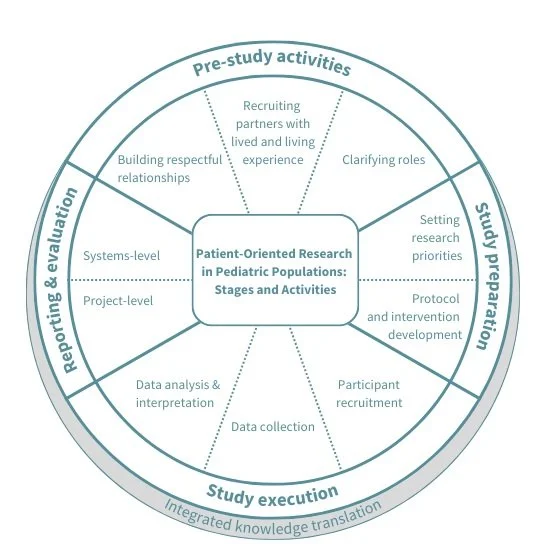
Before writing the article, we noted that there were many frameworks and high-level guidelines on how to engage partners with lived and living experience (PWLEs), such as youth or parent research partners, in pediatric research. These materials are very useful in guiding researchers on how to conduct POR. However, these resources usually don’t speak to the depth of work required to successfully conduct POR in pediatric populations—children, youth, and families.
What did we find in our literature search?

In our literature search, we found that engagement in certain research stages and activities, like research prioritization, data analysis and interpretation, are well described in the literature. Engagement in other research stages and activities, like data collection, or understanding benefits to PWLEs, are not clearly reported. We also noted that the literature about doing POR with adult research participants appears to be more advanced than the pediatric POR literature. CHILD-BRIGHT is addressing these areas for growth as our Phase 1 research projects continue to publish their findings.

Where we could not find literature on a topic, CHILD-BRIGHT PWLEs shared their experiences and described the impacts that they have on research. For example, CHILD-BRIGHT PWLE Fabiana Bacchini is also Executive Director of the Canadian Premature Babies Foundation. She described the broad reach of PWLE-led knowledge mobilization activities, like writing blog posts, producing infographics, and creating social media campaigns, to share research findings at the CPBF.  These efforts led to over 76,000 views on YouTube in 2023 with an audience in 150 countries. Meanwhile, the infographics that PWLEs developed with the research team are distributed in neonatal clinics across Canada.

We also looked into the different ways POR can be evaluated and measured at a project level. CHILD-BRIGHT has led the way on both qualitative (e.g. interviews) and quantitative (e.g. surveys) evaluations of POR. CHILD-BRIGHT Parent Liaison and PWLE Carrie Costello shared that the challenges of engagement are underreported in the field, particularly if the evaluation is unstructured. Regular evaluations and check-ins between researchers and PWLEs can help identify challenges and lead to solutions.


What did we learn about doing patient-oriented research with kids, youth, and families?
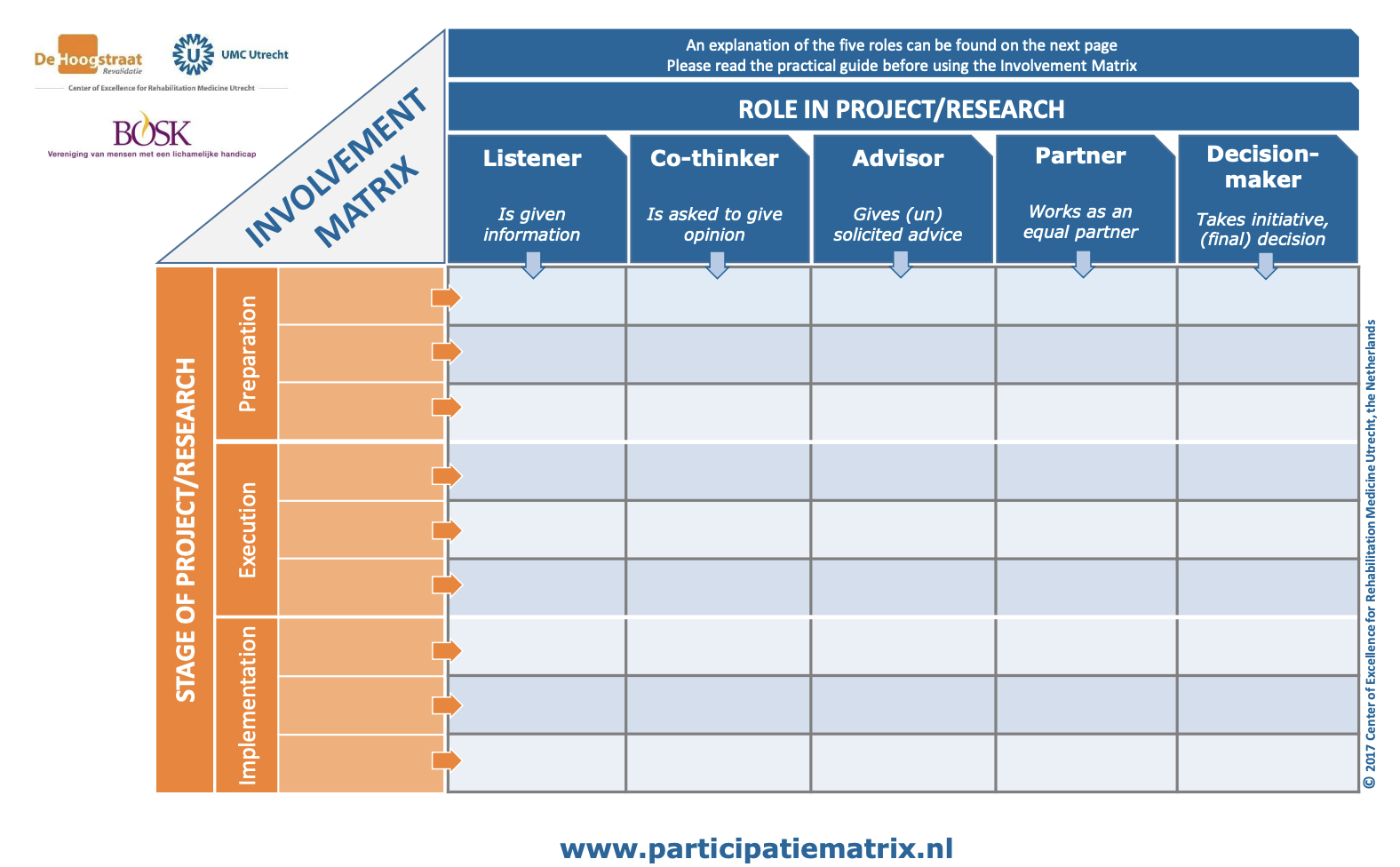
What became clear to us is that authentic and meaningful POR is facilitated by researchers and PWLEs taking time to build respectful relationships and clarifying roles at the beginning of the project, and revisiting roles throughout the projects, using tools such as the Involvement Matrix. These check-ins about expectations and roles ensure that there is clear communication among the whole team, including researchers and PWLEs, throughout the project.

Overall, we hope that this review is a comprehensive resource, especially to researchers new to POR, and that it complements the other pediatric POR articles in the special issue, which includes publications from the CHILD-BRIGHT Parent-EPIQ research project.

interested in learning more? read the full research article

2025 Frank Gavin Patient Engagement Leadership Awards

Submit your nominations!

Open to members and non-members of CHILD-BRIGHT 

The CHILD-BRIGHT Network is proud to launch the fourth iteration of the Frank Gavin Patient Engagement Leadership Awards, which recognize the exceptional leadership of partners with lived and living experience (PWLEs) in Canadian pediatric brain-based disability research.

Established in 2021, the awards were named in honour of Frank Gavin, our former Director of Engagement, for his vital contributions to the network’s impressive growth as an entity of the Strategy for Patient-Oriented Research (SPOR).

In this fourth iteration, we will be granting a Frank Gavin award to two PWLEs: 1) a youth or former pediatric patient with lived and living experience of a brain-based developmental disability and 2) a parent, caregiver, or family member of a child with lived and living experience of a brain-based developmental disability.

Do you know a PWLE with considerable experience participating in patient-oriented research and a proven track record of research engagement leadership? Would you like to put your own name forward? We’re accepting nominations as of today!  

Nominations are due by March 21, 2025

Visit the competition page for all the details, including the eligibility requirements and application guidelines. Note that members as well as non-members of the CHILD-BRIGHT Network are eligible for these awards.

Good luck!

Eligibility requirements & application guidelines

KBHN and CHILD-BRIGHT team up to strengthen youth engagement in research 

Français

The CHILD-BRIGHT Network and Kids Brain Health Network (KBHN) are teaming up to support youth engagement in brain-based developmental disability research! 

Effective as of January 2025, this partnership will allow KBHN-funded researchers and project teams to enhance their research and policy initiatives through consultation with CHILD-BRIGHT’s National Youth Advocacy Council (NYAC). In turn, CHILD-BRIGHT’s youth research partners will engage in meaningful consultations and collaborations that will foster valuable skill-building, experiential, and networking opportunities. 


What is the CHILD-BRIGHT National Youth Advocacy Council? 

The CHILD-BRIGHT Network is a pan-Canadian patient-oriented research (POR) network based at the Research Institute of the McGill University Health Centre. Created in 2016, it works to create brighter futures for children and youth with brain-based developmental disabilities and their families. As part of this mandate, CHILD-BRIGHT has developed authentic, meaningful relationships with youth research partners. As members of our NYAC, these individuals play a crucial role in multiple areas of the network’s research. They assist in developing research protocols and participant recruitment strategies, review and contribute to publications, and participate in implementation science and knowledge mobilization activities.   

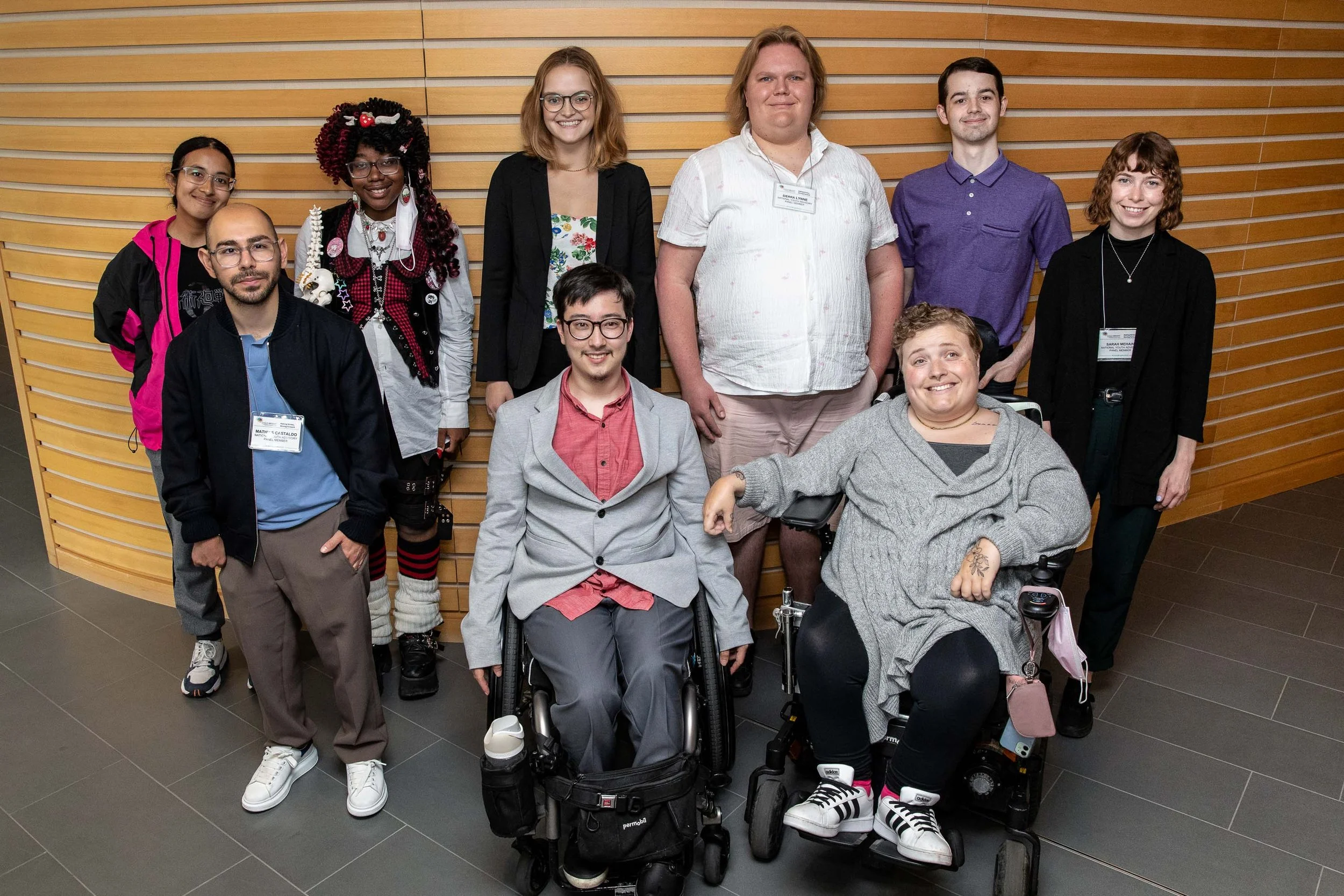
NYAC members at the 2023 CHILD-BRIGHT Conference

The NYAC is now a well-established body with robust participation from a dedicated group of youth research partners across Canada. These youths have diverse lived and living experiences of brain-based developmental disabilities and different health concerns in their provinces, and they are committed to supporting research on disabilities.  

“This partnership between KBHN and CHILD-BRIGHT will open doors for everyone on the NYAC and within the respective networks to collaborate and network with one another. Most importantly, this partnership will play a significant part in the sustainability of both networks and in keeping our shared goal of advancing the field of patient-oriented research and youth engagement alive for years to come,” shared Logan Wong, NYAC Co-Chair.  

“We are very excited to collaborate with KBHN. It will be a great opportunity to allow this council of youth and young people to have their say on patient-research research across Canada," added fellow Co-Chair Hans Dupuis. 

 
KBHN and CHILD-BRIGHT: Building on existing successes 

KBHN is a Canada-wide network that spreads, scales and implements proven solutions for children with neurodevelopmental disabilities and their families. Since 2009, KBHN has partnered with communities, industries, governments and not-for-profit organizations to improve early identification of neurodevelopmental disabilities, effective interventions and treatments, and family support. KBHN’s vision is for all children to enjoy a good quality of life, participate in every aspect of society, and reach their full potential. 

“Partnering with CHILD-BRIGHT through the NYAC is a significant step in ensuring that youth are consulted in research projects that directly affect them,” said KBHN Chief Scientist Dr. Jennifer Zwicker. “KBHN’s focus has shifted into implementing proven solutions for children and youth with neurodevelopmental disabilities, and it’s important that we collaborate closely with the NYAC in this mission.” 

KBHN and CHILD-BRIGHT have an existing track record of successful youth engagement collaborations. In 2022, three NYAC members presented on youth engagement in research as part of the KBHN PART Training Series: A Conversation About Youth Engagement in Research. They shared general engagement strategies, practical examples around accessibility and accommodations, and helpful tips/resources when working with youth. In 2023, one NYAC member participated as a panelist on the Youth Engagement Panel for KBHN trainees, to share their experiences in research. 


Why grow youth engagement in patient-oriented research?  

Both the CHILD-BRIGHT and KBHN recognize the value of youth perspectives in shaping effective research and policy.  

Engaging children and youth with lived and living experience of brain-based disability is essential to ensuring the relevance, and increasing the impact of, childhood disability research.
— Jenny Gilbert, CHILD-BRIGHT Director of Engagement

“Engaging children and youth with lived and living experience of brain-based disability is essential to ensuring the relevance, and increasing the impact of, childhood disability research,” emphasized Jenny Gilbert, CHILD-BRIGHT Director of Engagement. “Children and youth offer unique insights that can lead to more effective and personalized health care solutions. Their lived and living experiences can highlight gaps in current research and practice that might otherwise be overlooked.”  

Youth engagement in research can influence policy and practice, ensuring that health care systems are more inclusive and responsive to the needs of children and youth with brain-based developmental disabilities and their families. This can lead to systemic changes that benefit not only the individuals involved, but also the broader community. 

Overall, the partnership will contribute to more effective and inclusive research and policy outcomes aimed at improving the quality of health care for children and youth with brain-based developmental disabilities. 

The National Youth Advocacy Council welcomes three new members

Français

The National Youth Advocacy Council (NYAC) is responsible for advising CHILD-BRIGHT-funded projects on optimizing youth engagement activities. Composed of Canadian youth members with lived and living experience of a brain-based developmental disability, the members are available to inform research development, from the generation of questions to the dissemination of results, throughout the CHILD-BRIGHT Network and beyond. 

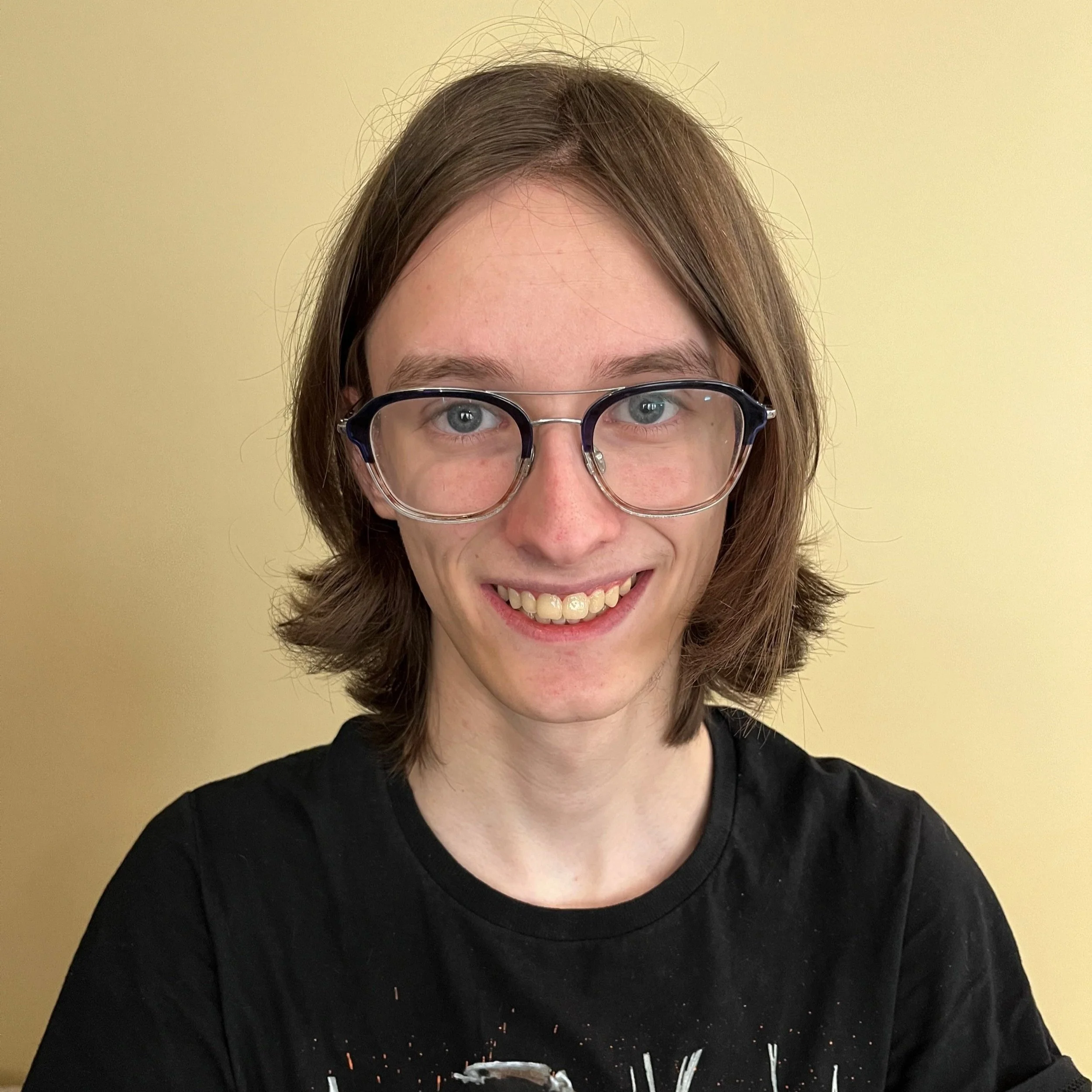
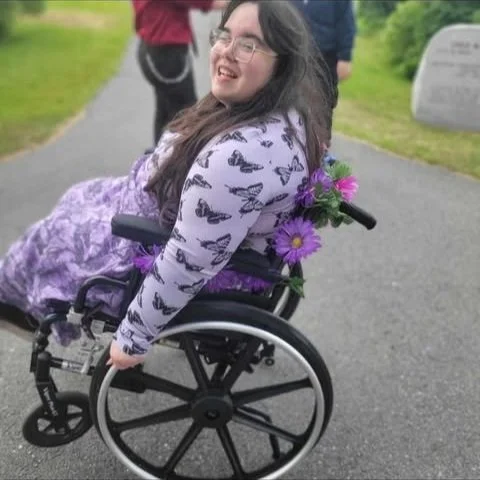
We’re delighted to introduce the NYAC’s three newest members: Keenan Brignall, Kat Jeremiah, and Phoenix Lowe. Read on to learn more about them! 

Meet our newest NYAC members:  

Keenan Brignall

Keenan is an autistic person from Calgary, Alberta. He is a movie buff and is currently enrolled in Film and Video Production at the Southern Alberta Institute of Technology (SAIT). 

Keenan loves history and science-fiction, especially stories involving robots. He’s also interested in military aviation and dreams of one day making a movie about it. He’s passionate about music and sound production

Read Keenan's member profile

Kat Jeremiah

Kat is from Timmins, Ontario, and a proud member of the Missanabie Cree First Nation. Kat has autism and attention-deficit/hyperactivity disorder (ADHD).  

Kat is passionate about youth advocacy, creativity, and community engagement. Serving on multiple youth councils, including the NYAC, they strive to empower and support young people facing challenges similar to their own. With interests in quilting, painting, photography, and reading, Kat brings a creative and empathetic perspective to raising awareness, fostering inclusion, and creating positive change for youth and their communities. 

Read Kat's member profile

Phoenix Lowe

Phoenix is in her last year of high school in rural New Brunswick. She plans to pursue a Bachelor of Social Work in the fall, with the hope of studying the intersection of mental health bias and neurological health outcomes. 

Phoenix is excited to be joining the NYAC and share her experiences living with Tourette’s syndrome and other brain-based developmental disabilities. She’s thrilled to be able to support researchers in strengthening youth engagement. 

Read Phoenix's member profile

Are you interested in learning more about our youth research partners and their mandate? Learn more, including how you can request their consultations services for your research project:

Meet the rest of the NYAC

Partnering with Parents series: Brenda Blais

FRANÇAIS

Welcome to our new blog series highlighting the invaluable research contributions of our parent partners! 

Parents of children with brain-based developmental disabilities are an essential part of our community of partners with lived and living experience (PWLEs). Their unique insights, both as parents and users of the health care system, allow CHILD-BRIGHT, as a patient-oriented research (POR) network, to ask research questions that matter, design projects with real-world impact, and improve the lives of children with disabilities and their families.   

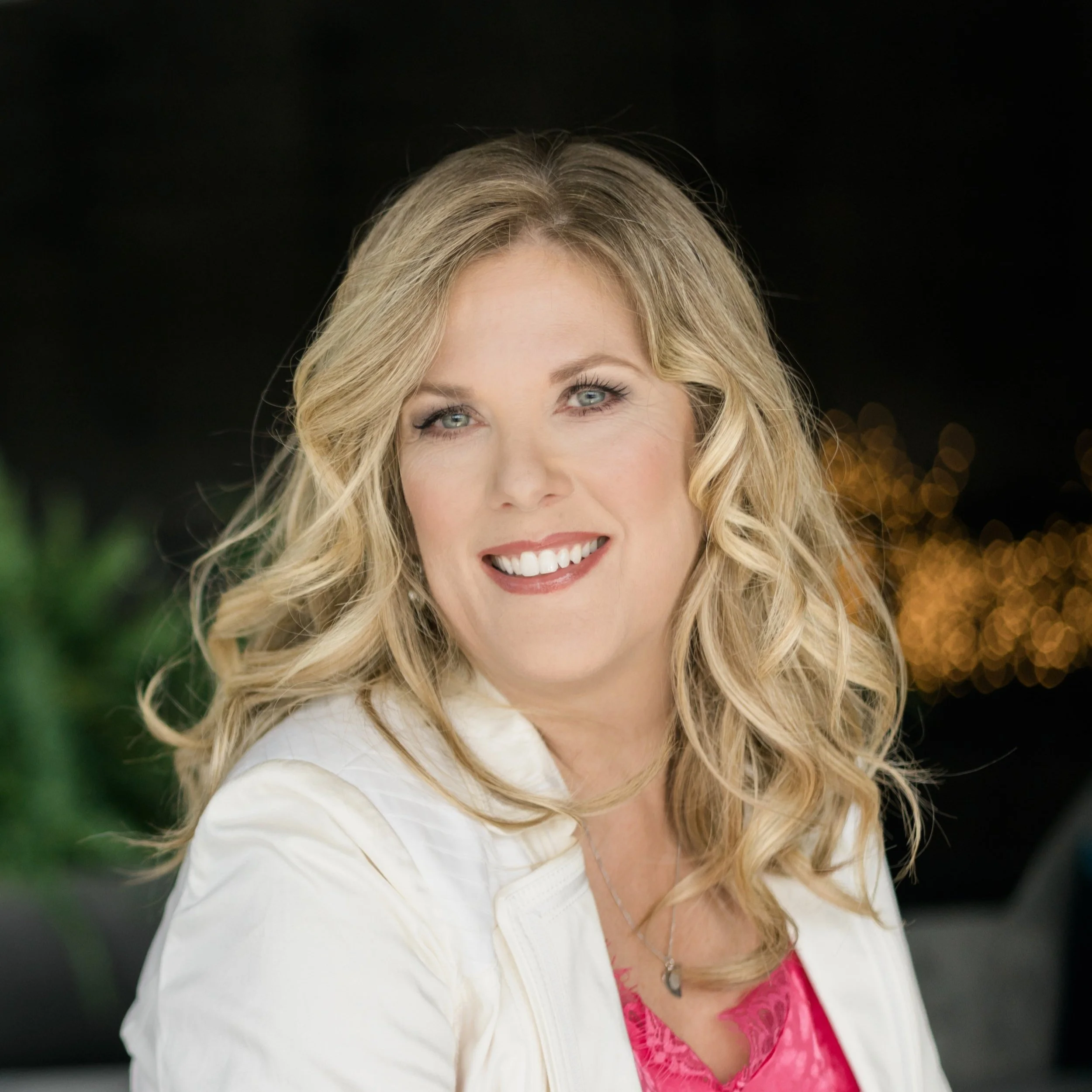
Today, we’re proud to introduce Brenda Blais, one of CHILD-BRIGHT's newest parent partners and a proud advocate for POR. 

Brenda Blais

CHILD-BRIGHT parent research partner
Joined the network in 2023

Brenda’s passion for disability research stems from years of supporting loved ones. In her own words, she’s “a lifelong caregiver.”

Growing up, Brenda helped take care of her older brother, who was born with physical and cognitive disabilities: “Back then, I never thought of myself as a caregiver. I was just a sister, helping my mom look out for him.” Later in life, she also advocated for her father, a World War II veteran who suffered both physical and cognitive changes following a stroke. “He lived out of province and was stunned at my ability to advocate at a distance,” recalled Brenda, smiling. “I was able to get him all the supports he needed until he passed away 8 years ago at the age of 92.”

When her daughter Nikki was born, Brenda found herself taking on a caregiving role in a whole new way. At birth, Nikki wasn’t breathing, and the lack of oxygen caused severe and irreversible brain damage that resulted in multiple disabilities. “She was never able to walk, talk, or feed herself,” said Brenda. “But she could communicate in the most endearing ways. She was a light and a magnet everywhere she went.” Nikki quickly became her greatest motivator, teacher, and source of inspiration.

As her daughter received medical care, Brenda began to encounter research engagement opportunities. Having previously managed medical offices for clinicians and researchers, she recognized that her professional background, combined with her experience navigating the health care system, made her an ideal partner. Brenda was also heartened to see a shift toward POR. “I hoped that our lived experience would help others down the road,” she said.

Nikki passed away two and a half years ago, at the age of 29—surpassing her initial life expectancy by 15 years. “She filled my life with a purpose and passion, and that will never change,” said Brenda. One way of keeping her daughter’s legacy alive, she feels, is by remaining active in the research community.

In 2023, a fellow parent with lived experience referred Brenda to a study led by Eyal Cohen at the Hospital for Sick Children. Eyal also happened to be the co-principal investigator (co-PI) of the CHILD-BRIGHT research project Assessing and Developing an Adapted navigator role to support Parents during neonatal Transition (ADAPT), along with Julia Orkin. Through Eyal and Julia, Brenda went on to become a co-PI with CHILD-BRIGHT ADAPT.

PIs are typically researchers, but within POR networks like CHILD-BRIGHT, PWLEs are increasingly taking on such leadership roles. Having parent partners like Brenda at the forefront of a study is a groundbreaking step in the evolution of POR!

It goes back to that saying, ‘Nothing about us without us.’
— Brenda Blais, PWLE

From ADAPT, one opportunity led to another. In October, Brenda participated in the Knowledge Mobilization and Engagement webinar as part of the 2024 CHILD-BRIGHT Virtual Symposium. She also contributes to the network’s quarterly Theme Meetings. 

Brenda is a firm believer in the importance of research, but that doesn’t mean the work is always easy: “Ethics delays during the ADAPT study were frustrating,” she shared. “I know that ethics can be a slow and laborious process, but it was still a challenge. I had to exercise patience.” She pointed out that, for PWLEs who are less familiar with the research process, these types of delays can be especially discouraging.

Brenda also noted that, while she’s happy that CHILD-BRIGHT has clear compensation guidelines for PWLEs, parent research partners like herself often still experience the burden of bringing up compensation with project teams. “There’s a power imbalance there,” she said. But she is appreciative of organizations like CHILD-BRIGHT that recognize the value that PWLEs can bring to research.

As of 2025, Brenda has been with CHILD-BRIGHT for almost two years, and she’s already seeing the effects of her work. “It’s really great to see how my lived experience has helped shape research in ways that will have the most impact on those who will benefit!” she said.

Brenda’s dedication to brain-based developmental disability research is only growing. She recently completed the Family Engagement in Research Course at McMaster University and will be presenting her group project on ableism in research at the EACD & IAACD conference in Germany this June. What’s more, Brenda has several new opportunities lined up for the new year, including teaching positions. She’s also the new Co-Chair of the Canadian Caregivers Advisory Network (or Caregivers CAN), which aims to build and advocate for a better future for caregivers. “I continue to do what I do because of Nikki and all that she taught me,” she concluded with a smile.