
Moving from stigma to radical love for mental health & brain-based disability: one mother’s story

FRANÇAIS

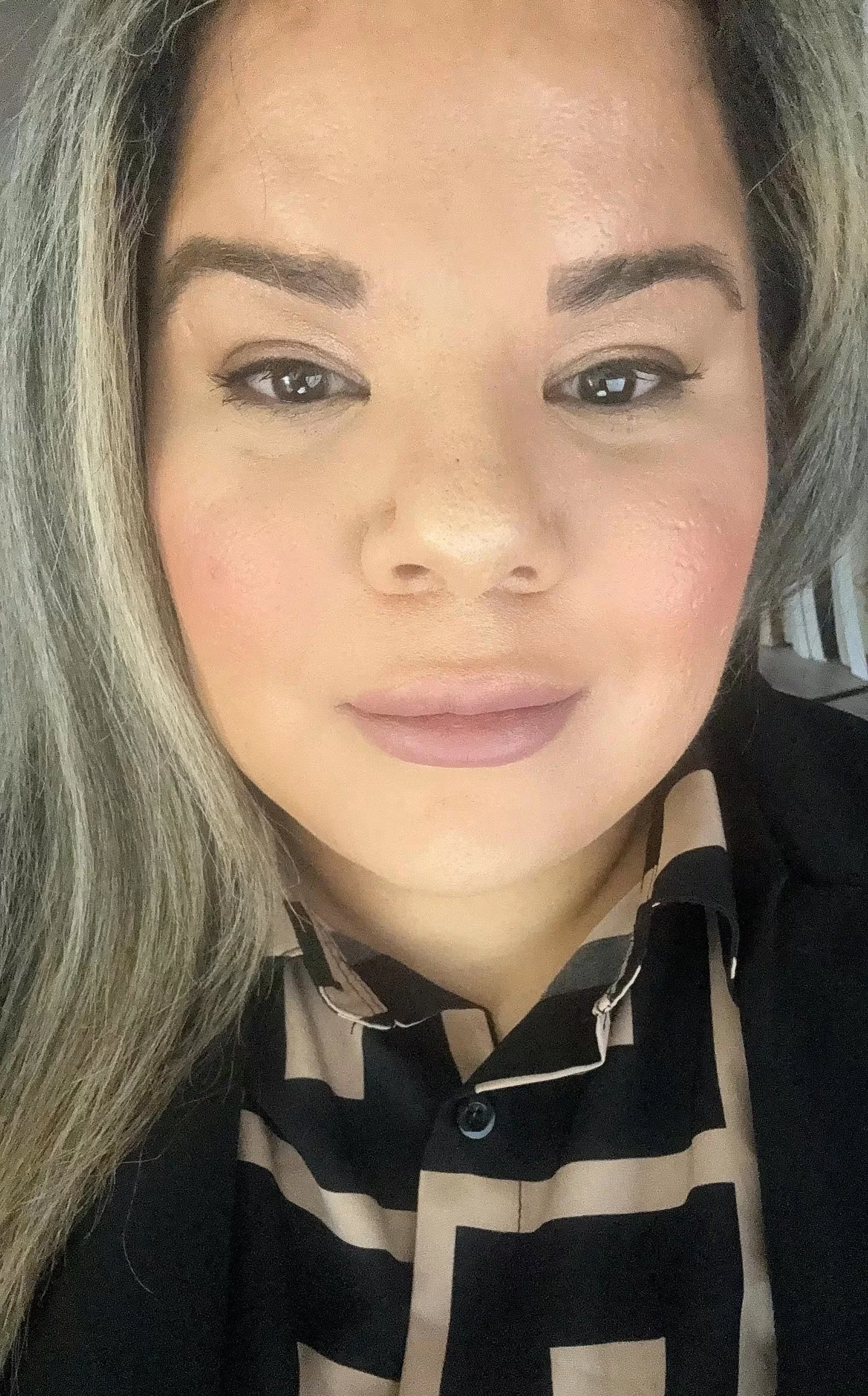
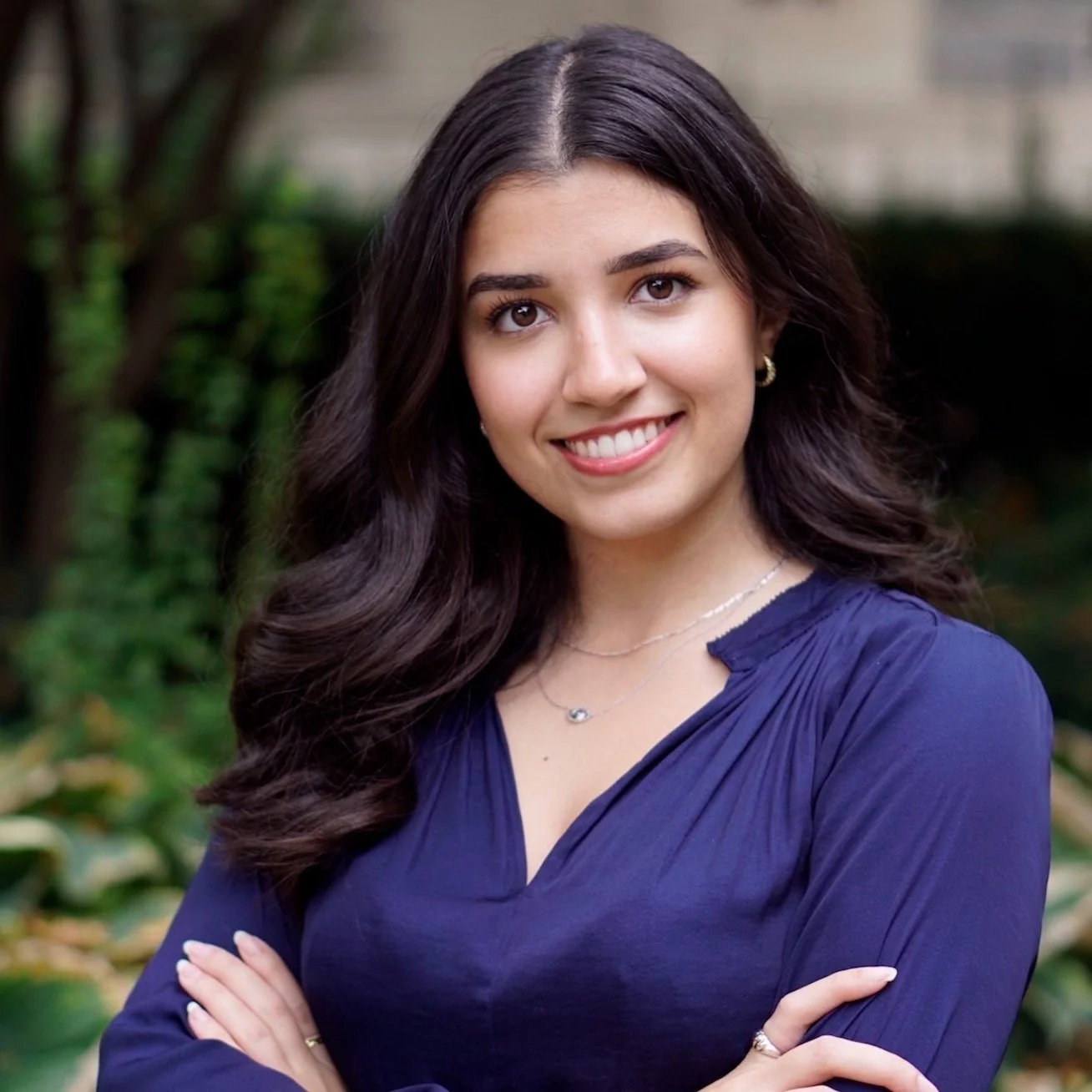
By Samadhi Mora Severino 

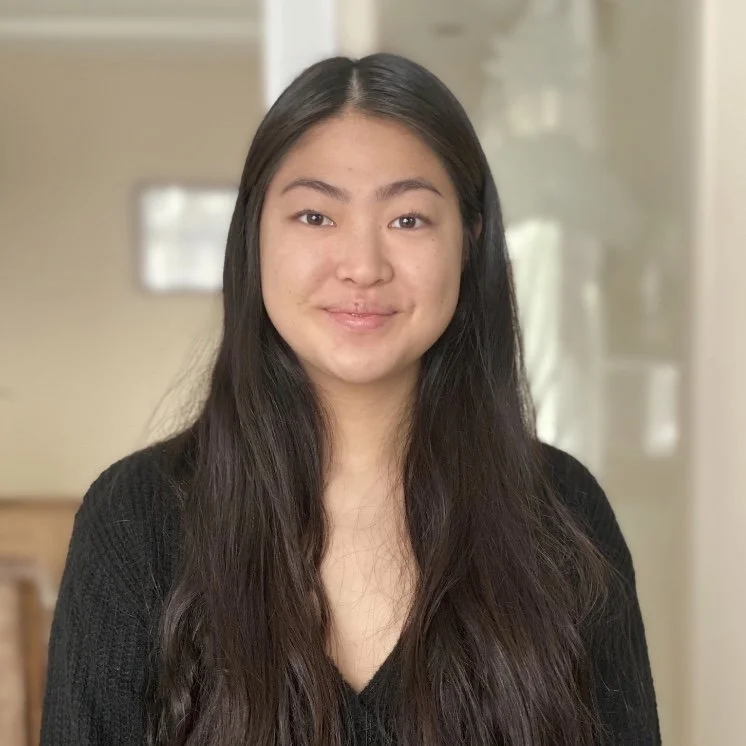
CHILD-BRIGHT parent research partner and equity, diversity, and inclusion (EDI) Advisor Samadhi Mora Severino sheds light on her experiences with bipolar disorder while supporting one child with severe cerebral palsy and another with ADHD and a learning disability. Stories like Samadhi’s highlight how mental health and disability are intrinsic parts of the human experience and do not diminish anyone’s value or impact.  

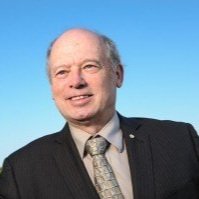
Samadhi Mora Severino

Samadhi Mora Severino

My name is Samadhi, and I am an immigrant settler living in Toronto, Canada. I was born in, and am Indigenous to, Venezuela. I am also the mother of two children, who both live with brain-based developmental disabilities. My older son, Ethan, is 14 years old and has attention deficit hyperactivity disorder (ADHD) and a learning disability, while my younger son, Kian, is 12 and has severe cerebral palsy and intellectual disability. I have been involved with CHILD-BRIGHT as a parent research partner since 2016 and more recently as an EDI Advisor. I am also a PhD student in Health Policy and Equity, holding a master's degree in Critical Disability Studies, and two undergraduate degrees in Philosophy (specializing in bioethics and applied ethics) and Anthropology (focusing on medical anthropology – Indigenous Health and Disability Rights). 

Alongside these academic pursuits, I live with a learning disability, ADHD, and a mental health diagnosis. In 2022, I was diagnosed with mild bipolar disorder 1, which became part of my journey as a mother of children with complex needs. Navigating life with a mental health diagnosis while raising children with brain-based developmental disabilities has been both challenging and empowering. This experience has deepened my understanding of the stigma that people living with mental health diagnosis, like bipolar disorder, often face. It has also shaped my advocacy and fueled my passion for creating more inclusive spaces for those with disabilities, mental health diagnoses, and/or Indigenous, Black, and equity-seeking identities. 


First encounters with the mental health system 

My first encounter with the mental health care system occurred in 2020, when I began seeing my incredible psychiatrist. Mental health care in Canada is complex and underfunded, and I have navigated the system in both British Columbia and Ontario. I am deeply privileged to have access to a psychiatrist—something not everyone is afforded. I am even more fortunate that my psychiatrist is trauma informed, open to learning and unlearning, and works collaboratively with me to ensure I receive the best care possible.  

I was diagnosed with mild bipolar disorder 1, a mood disorder, in 2022. Navigating life with bipolar has not been easy; there is still a lot of stigma surrounding such a diagnosis. Before my diagnosis, I did not fully understand what bipolar disorder was. When I first heard the diagnosis, I struggled with shame and embarrassment. Mental health diagnoses like anxiety or depression are often more socially acceptable, but other conditions, including bipolar disorder, borderline personality disorder, and schizophrenia, are met with less empathy.  

Following this diagnosis, I had to grieve the person I once was and adjust to the person I had become, all while working through my own internalized sanism. (Sanism refers to the discriminatory beliefs, actions, and policies that dehumanize people with mental health diagnoses.) Thankfully, I have received unwavering support, love, care from my mom and dad and my children.  

After three years, I no longer feel ashamed to talk about being bipolar. I have grown to love and accept the person I am now with this diagnosis. I look back on all I have accomplished—being a mother, a parent research partner, an emerging researcher, an EDI Advisor, a friend, a daughter, and a human being. I remind myself that having bipolar does not define me; it is simply one aspect of who I am. 

Entering the world of parenting 
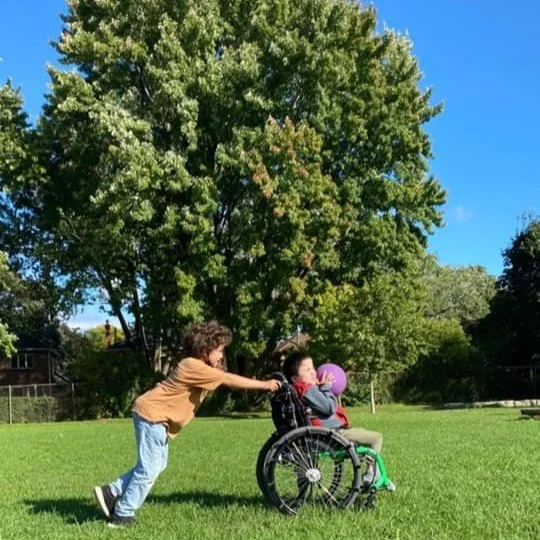
Ethan pushes Kian, who is in a wheelchair.

Ethan (left) and Kian

In 2009, before my son Ethan was born, our family’s geneticist told me that the hardest part of raising a child with a disability is how society perceives disability and the lack of government services to support families. Ethan had shown soft markers on his ultrasound that suggested he might be born with medical complexities or severe disabilities, but he was not. He was eventually diagnosed with ADHD and a learning disability. 

I never forgot that conversation with our geneticist, or the compassion and empathy he showed us. This sentiment resurfaced when my younger son, Kian, was diagnosed with severe cerebral palsy on March 3, 2015. I will always remember that day, as it also marked the return of Kian’s genetic exome sequencing, leading to a second diagnosis of osteopathia striata with cranial sclerosis, a genetic disorder that affects bone development. It can also cause neurological conditions and hearing loss. 

I did not truly understand what it meant to care for someone with severe physical disabilities until Kian was born. Parenting a child with severe disabilities is different from parenting a child with other disabilities or a child without a disability. Kian cannot independently carry out his activities of daily living; he requires assistance with everything from bathing and eating to dressing. He cannot sit, stand or walk. He uses a powerchair. He is a high user of health and social services which translates to many therapy and medical appointments.  
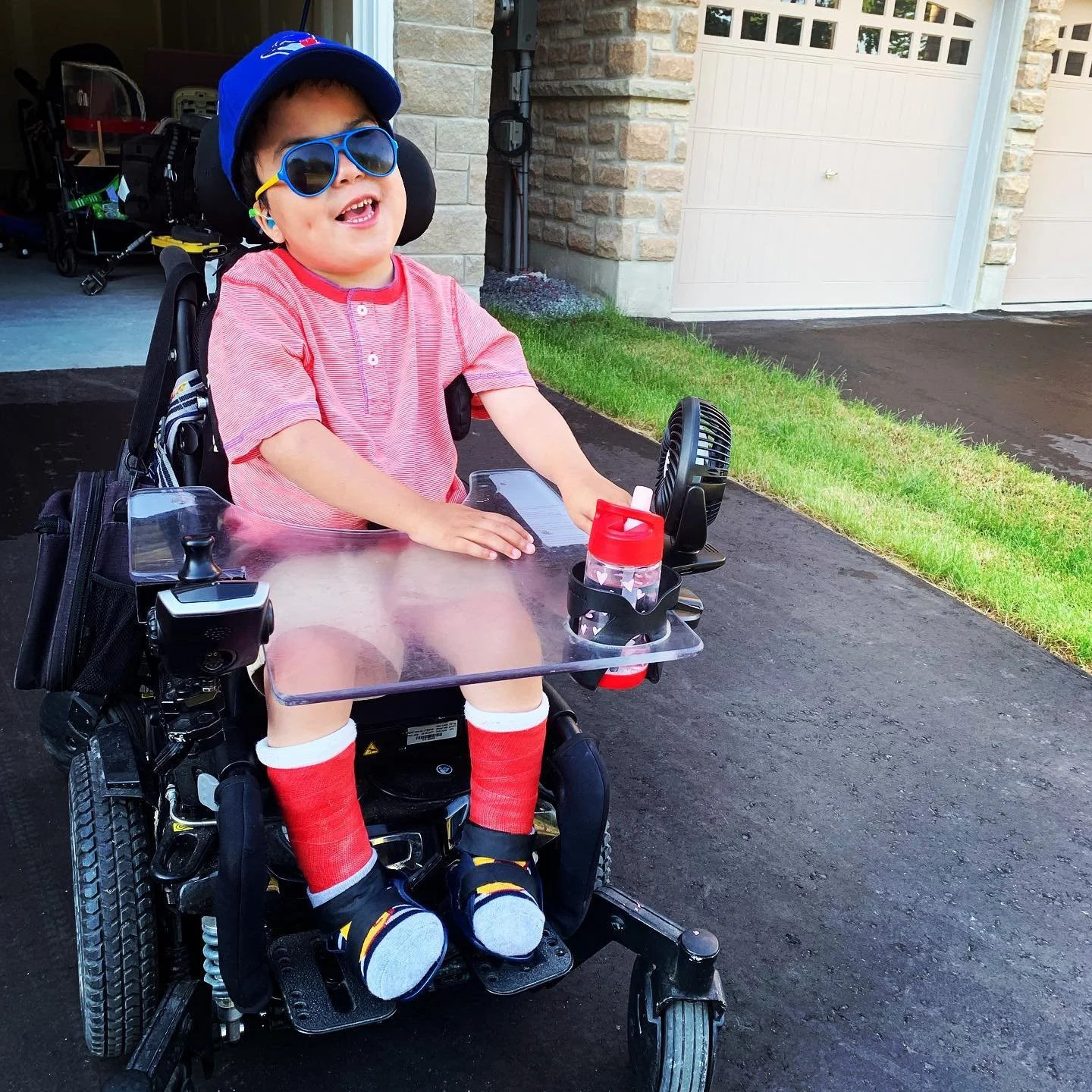
Kian Severino smiles. He is in a power wheelchair.

Kian

Kian is also incredibly skilled with technology, funny, mischievous, and full of an adventurous spirit. He has an immense sense of empathy that I have rarely encountered in others. When I was diagnosed with bipolar disorder, I began to reflect on the stigma I was facing and internalizing, and how Kian’s daily experiences contrast with mine. I can mask my bipolar disorder, but Kian cannot hide his physical disability. At the same time, the assumptions people make about Kian, and the assumptions made about those with bipolar disorder, are disheartening. In that way, we share a profound connection. 

As I think about Kian's future, I wonder how society will treat him as he grows older. The public’s empathy seems to shift dramatically when it comes to disabilities. While there is often more compassion for children, this empathy can lessen as someone reaches adulthood. 

I always advocate with Kian in medical, educational, and social settings, prioritizing his voice and respecting his dignity, autonomy, and rights as outlined in the Declaration on the Rights of Disabled Persons and the Convention on the Rights of Persons with Disabilities. Over time, I have had to let go of my initial helicopter-parenting tendencies and allow Kian to live authentically, just as any child should. I remember one moment during a charity walk when Kian, at just four years old, wanted to tackle a steep hill in his power wheelchair. Initially, I hesitated, unsure if I should let him go. But I quickly reminded myself: If Kian were a typical four-year-old, would I have hesitated? Of course not. So, I let him go up the hill with his nurse. He had the time of his life, and the smile he wore that day is one I will never forget. 

Looking back on that conversation I had in 2009 with our geneticist, I now see the truth in his words. The issue was never Kian; it was how the world saw him—or, more accurately, how it did not see him. Society, research, policies, and clinical guidelines do not always consider him in the way I did and the way Kian sees himself. This realization fueled my desire to participate in advocacy and research, pushing for improvements in health equity with Kian and others like him in Canada. It also led me to understand the importance of recognizing neurodivergence to create better support systems with children with disabilities and their families.  

Fostering radical love in neurodevelopmental research 

In All About Love, Black Critical Race Theorist scholar bell hooks discussed love as a combination of six ingredients: care, commitment, knowledge, responsibility, respect, and trust. She argued that love is crucial to social justice, and that radical love can unite us all, bridging social movements and advancing our collective progress.  

In disability research, radical love can look like creating spaces where people can come together, feel safe, and express their authentic selves. Love can mean ensuring that our research outputs to the public are in plain language, making the findings clear, concise, and accessible to all. Love can mean that accommodation requests can be met without judgment and with support, care, and love. Love can mean working to understand, instead of reinforcing the stigma of having a mental health diagnosis. 

My diverse lived experiences have deeply shaped my academic and professional journey, inspiring me to pursue meaningful research that bridges my personal and professional worlds. My PhD research focuses on the intersections of race and disability, specifically examining the experiences of BIPOC (Black, Indigenous, and people of colour) families with mental health diagnoses and their children with disabilities in the child welfare system. Guided by the Indigenous conceptual framework of Margaret Kovach, an Indigenous scholar of Nêhiyaw and Saulteaux ancestry from Treaty 4 and member of Pasqua First Nation, I draw on Indigenous epistemology, ethics, community, and the experiencing self in relationships. 

Every project I have been part of—whether as a CHILD-BRIGHT research partner or an emerging researcher—has profoundly changed me.
— Samadhi Mora Severino

I believe research should transform not only the communities it serves but also the researcher. As Shawn Wilson, who is Opaskwayak Cree from northern Manitoba, aptly states in Research is Ceremony: “If research does not change you as a person, then you haven’t done it right.” Every project I have been part of—whether as a CHILD-BRIGHT research partner or an emerging researcher—has profoundly changed me. These experiences have fueled my advocacy with families and youth with neurodevelopmental disabilities, encouraging me to reimagine how research, policy, and practice can serve communities with radical love, empathy, and integrity. 

At the core of my work is a commitment to radical love. My hope is that one day, society will no longer require people with disabilities and people with mental health diagnoses to prove their worth. Instead, they will be accepted for their authentic selves, free from the barriers of discriminatory research, clinical guidelines, policies, and laws. 

Call to action 

Here are steps we can all take to foster a more inclusive world: 

  1. Embrace inclusion with genuine love. Approach accommodations and accessibility with an open heart. 

  2. Commit to continuous learning. Be willing to unlearn harmful misinformation and embrace new, sometimes uncomfortable truths. 

  3. Avoid assumptions. Recognize that diagnoses vary widely, and there is no one-size-fits-all approach to understanding or supporting individuals. 

  4. Take accountability. Acknowledge mistakes, learn from them, and commit to growing together. 

  5. Respect the autonomy and dignity of people with mental health diagnoses. They can lead fulfilling lives and contribute meaningfully across many roles through society respecting their autonomy and dignity and ending the stigma. 

  6. Advocate for anti-discriminatory practices. Develop inclusive research, policies, and clinical guidelines that actively involve and centre the voices of those with lived and living experiences. 

I invite you to reflect on how you can contribute to creating a world where inclusion, equity, and radical love are not ideals but everyday practices. Together, we can reimagine a society where everyone is empowered to live authentically and contribute meaningfully.  
Postdocs in the Spotlight: Simonne Collins

fRANÇAIS

Welcome to our blog series highlighting the work of our postdoctoral fellows!

Postdoctoral fellows play a crucial role within CHILD-BRIGHT's research projects underway. These fellows are passionate about implementation science (IS) and patient-oriented research (POR) and its potential to improve health outcomes for children and youth with brain-based developmental disabilities and their families. 

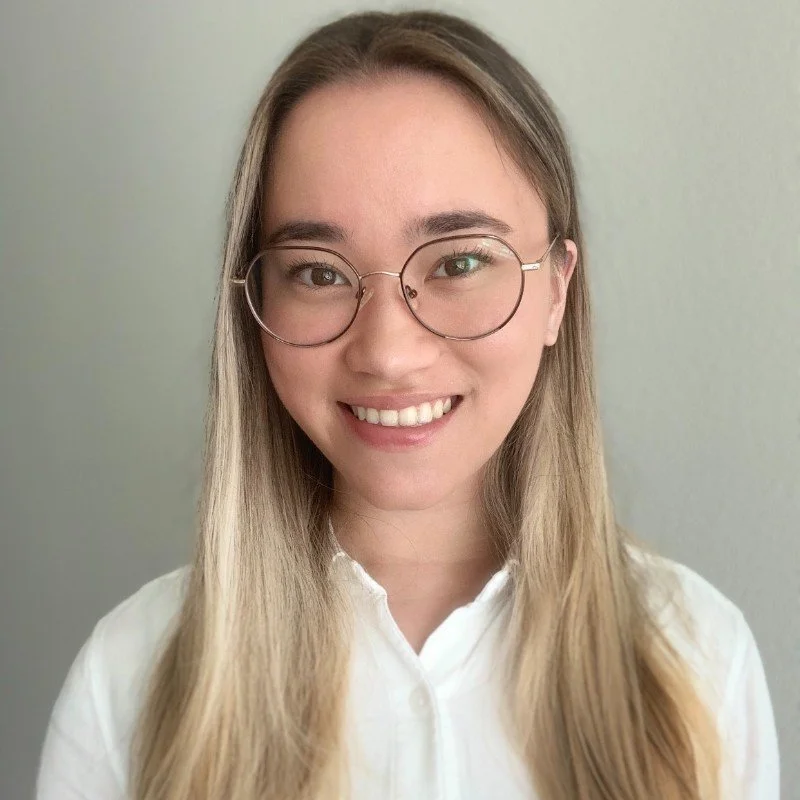
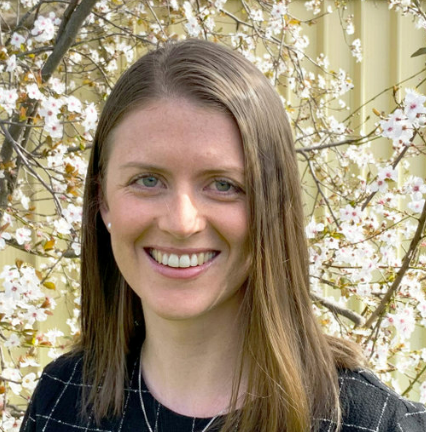
Today, we’re delighted to introduce Simonne Collins, the newest member of CHILD-BRIGHT's IS Research Program. 

IMPLEMENTATION SCIENCE PROGRAM

Simonne Collins (she/her)

Postdoctoral fellow, STIC Lab

IWK Health, Halifax, Nova Scotia

From Melbourne to Halifax

Simonne, our newest postdoctoral fellow, hails from Melbourne, Australia. In the summer of 2024, propelled by her commitment to patient-oriented research (POR), she relocated to Halifax to start a CHILD-BRIGHT research fellowship based within the Strengthening Transitions in Care Lab at the IWK Health Centre. Her position with CHILD-BRIGHT is being supported by the IWK Foundation. Simonne has quickly become a pivotal member of the network’s Implementation Science (IS) Research Program!  

Simonne has been a proponent of POR since being introduced to the concept during her doctoral studies in Psychology at Monash University, in Melbourne. Her doctoral studies focused on children at risk of brain-based developmental disabilities. “There were things that we weren’t sure about,” she recalled. “We didn’t know whether we were asking the right questions or if they were even relevant to our population.” 

Ultimately, she and her team decided to consult with parent research partners, and the experience was truly illuminating: “It was so valuable to hear their insights! Hearing from PWLEs allowed us to get at the heart of the barriers they face.” 

Now, Simonne is delighted to be broadening her skillset in POR and implementation science—and the move to Canada adds to the adventure! 

All our research should be with patient-partners and PWLEs!
— Simonne Collins, CHILD-BRIGHT postdoctoral fellow

Simonne’s role at CHILD-BRIGHT

As part of CHILD-BRIGHT's Phase 2, the IS Research Program is working to better understand how evidence can be systematically applied in routine practice to improve the quality and effectiveness of pediatric health services in Canada. 

Under the supervision of co-leads Steven Miller and Janet Curran, Simonne is supporting two of the IS Research Program’s main goals: 1) review which IS methods are being used across the network’s Phase 2 projects and identify the unique factors that should be considered by IS project teams when implementing treatments and interventions for children with brain-based developmental disabilities; and 2) understand how pan-Canadian research networks like CHILD-BRIGHT can build IS skills among postdoctoral research fellows. Simonne reviews the projects’ research protocols; conducts interviews with researchers, partners with lived and living experience (PWLEs), and youth partners; analyzes the data; and disseminates the findings.  

Simonne also organizes regular meetings for the network’s postdoctoral fellows, giving them the opportunity to discuss the challenges they’re facing, form connections, and build a community within CHILD-BRIGHT. Experts in the field are invited to some of the meetings to share insights on implementation science methodologies and career development. 

Looking to the future

When asked how she thought her time at CHILD-BRIGHT would impact her career, Simonne was effusive: “Oh, quite considerably!” 

She's particularly excited to be immersed in IS research. “I’m really developing those skills,” she said. She’s also grateful to have the opportunity to work with such a diverse group of health experts, which includes researchers, clinicians, and PWLEs. “I’m building a great network across Canada!” Since her arrival, Simonne has also found it eye-opening to learn about another country’s health care system and its challenges. “And I’m bringing my own cultural insights to the network,” she added. 

Today, Simonne hopes that her research will always incorporate POR methodologies. “I think researchers are getting better at understanding the impact of POR on health outcomes,” she said. “It allows us to address the needs and challenges that actually matter to patients and families.” 

Meet our other CHILD-BRIGHT postdocs!

Summer Studentship Program offers 'a new perspective' on POR

Français

Summer students look back on their time at CHILD-BRIGHT 

This summer, we were delighted to welcome 11 undergraduate students to our 2024 CHILD-BRIGHT Summer Studentship Program (SSP): Shannon Walsh, Parya Borhani, Natalie Wong, Muhammad Saim, Megan Liang, Lola Irelewuyi, Hanna Huguet, Anton Santos, Nina Chang, Shannon Tse, and Abigail Hansen. 

Every year, CHILD-BRIGHT helps train a new cohort of students in patient-oriented research (POR) by supporting our project and program teams as they hire students for the summer. In 2024, we earmarked $38,250 to support these undergraduates, who worked with nine program and project teams. 

At the end of the summer, each student was asked to share what they’d gained from the SSP and how they think it will impact their career in health research. Here’s what they had to say!

The importance of POR is my greatest takeaway from this research experience.
— Abigail Hansen, 2024 CHILD-BRIGHT Summer Student

A new perspective on patient-oriented research

The 2024 summer students arrived at CHILD-BRIGHT with varied backgrounds and levels of experience. But by the end of the program, they were all strong believers in the value and importance of POR! 

Students who were already proponents of collaborative research, like Hanna, felt that the SSP strengthened their commitment to POR and helped them develop a deeper understanding of its benefits: “My views on the importance of POR remained consistent both before and after the program, as I continue to believe in its value and potential,” Hanna shared.  

Conversely, those who had little knowledge of this research approach agreed that the SSP provided a comprehensive introduction to the principles and practices of POR. Namely, they felt that it clearly presented how the creation of meaningful partnerships with patients, families, communities, and partners with lived and living experience (PWLEs) increases the research’s real-world impact. 

“I was most surprised to learn just how significant the gap is between health research and impact, only further underscoring the importance of POR to the future of research,” wrote Parya. 

For Muhammad, the experience fundamentally changed how he views health research: “My perspective has shifted significantly. I now see POR as a pathway to more ethical and effective research that is deeply attuned to the needs of those it seeks to help.” 


The experience of engaging in discussions with professionals and PWLEs alike has been transformative.
— Lola Irelewuyi, 2024 CHILD-BRIGHT summer student

An opportunity to learn from health experts across Canada

This summer’s cohort unanimously agreed that one of the biggest benefits of the SSP was the wealth of knowledge and tools they acquired from various health experts across the country. They were thrilled to be able to work alongside and learn from a wide range of individuals, including physicians, nurses, researchers, and PWLEs. 

“[The program] offered an opportunity to connect with experts in the field every other week,” wrote Anton, noting that these were “invaluable connections”. 

Many students were especially grateful for the opportunity to work directly with patient and parent advisory committees, as it gave them a new perspective on the population’s unique experiences, concerns, and needs.

Natalie wrote: “I’m committed to applying these insights to future projects, ensuring that the voices and experiences of PWLEs remain central to the research journey.” 


I’ve learned that POR is a vital approach to making health care more inclusive.
— Lola Irelewuyi, 2024 CHILD-BRIGHT summer student

Newfound expertise in KM, IS, and EDI-DI 

In addition to their work embedded with a CHILD-BRIGHT research project and team, CHILD-BRIGHT summer students follow a curriculum that introduces them to key POR concepts. This year’s training series explored the intersections between POR, knowledge mobilization (KM), and implementation science (IS), topics that were deeply appreciated by the 2024 cohort. Muhammad wrote that the curriculum inspired him “to think more creatively about how to disseminate research findings in ways that are accessible and actionable for the communities involved.”

Several other students mentioned that the KM and IS modules gave them new insights on how to bridge the gap between health care practices and research. 

Hana wrote: “I developed a deeper understanding of the many factors that influence research implementation [...] and the importance of ensuring that findings are integrated in a way that’s both approachable and efficient for practitioners.” 

Similarly, many students noted that the program had solidified or sparked their commitment to equity, diversity, inclusion, decolonization and Indigenization (EDI-DI) in health research. They learned about the significance of building meaningful partnerships and how to achieve them while avoiding tokenistic inclusion in POR. 

“I’ve seen firsthand the distrust many marginalized communities have toward the health care system,” wrote Lola. “So, I appreciate how this studentship emphasized how PWLEs enhance research with a personalized approach.” 


This process has allowed me to develop a keen interest in clinical research and makes me excited to continue my learning journey in child health POR!
— Megan Liang, 2024 CHILD-BRIGHT summer student

A program with long-lasting impacts 

Overall, the 2024 cohort's reflections clearly illustrate that the SSP has had a profound influence on their research philosophies, goals, perspectives, and abilities, and will undoubtedly have a long-lasting impact on their careers in pediatric health. 

“As I look ahead to graduate studies, I’m eager to continue my involvement in KM efforts,” concluded Anton. “The skills and knowledge I’ve gained through this program will be invaluable in my future endeavors.” 

Many noted that the program had further encouraged their passion for research and given them new momentum as they looked to the future.  

“This program has shaped me into a more thoughtful and patient-centered research trainee,” wrote Natalie. “I’m excited to continue contributing to health care advancements!”

Interested in learning more about CHILD-BRIGHT's training initiatives and opportunities? Become a newsletter subscriber!

SUBSCRIBE TO THE CHILD-BRIGHT NEWSLETTER


Webinar Retrospective series: Life Beyond Trauma Program

Français

Creating productive working relationships between researchers and partners with lived and living experience (PWLEs) doesn’t happen from one day to the next. It takes time, trust, and mutual respect. But as the following story shows, it’s through these relationships that PWLEs have the power to shape the course of research. 
 
The Life Beyond Trauma Program emerged from one such collaboration. 

 
Donna Thomson

Parent research aprtner, author, and advocate Donna Thomson

Co-Principal Investigator Patrick McGrath


In Phase 1 of the CHILD-BRIGHT Network, the Strongest Families Neurodevelopmental Program studied whether emotional and behavioural regulation could be improved in children with brain-based developmental disabilities by providing education, telephone support, parent-to-parent connections, and resource information to the parents. 
 
But as parent research partner, author, and advocate Donna Thomson pointed out, parents in these situations often need support as well. 
 
Donna, who partnered with the Strongest Families ND Program, spoke candidly about her experience on the project in our February 2022 webinar, Life Beyond Trauma Program for Parents of Neurodiverse Children with Post-Traumatic Stress Disorder, provided as part of Children’s Healthcare Canada's SPARK: Live series. 
 
In the webinar, co-Principal Investigator Patrick McGrath (who now co-leads the Phase 2 project Bridging the Gap from Science to Uptake), gave Donna full credit for coming to him with the idea. His lab, affiliated with IWK Health in Nova Scotia, was turning its focus to post-traumatic stress disorder (PTSD), but it was Donna who suggested they study parents of children living with neurodevelopmental disabilities. “Just think about it,” she told him. “We have a lot of PTSD!” 

While PTSD is a mental health problem, Patrick also described it as a disturbance in memory. “High emotional events [...] get coded in a very fragmented way, and there is a whole network of fear that develops.” He explained that this is exactly what occurs in parents of children with neurodevelopmental disabilities. From the moment their child is born, health emergencies and interventions are ongoing and become part of their reality. “That’s what our life is,” Donna told Patrick. “One medical crisis after another.” 
 
It’s a reality Donna is all too familiar with. When her son, who has severe cerebral palsy and medical complexities, was only three, she received a phone call from his school. “Nicholas had had a seizure,” she recalled. For years after this event, Donna felt extreme panic every time she heard the phone ring. But she had no idea that it was a manifestation of PTSD.  
 
According to Patrick, this isn’t uncommon. “PTSD is a hidden problem among parents of children with neurodevelopmental disabilities,” he said. 
 
To shed light on the unique traumas experienced by parents in this population, and to explore avenues for virtual and in-person treatment, Patrick and Donna co-created the Life Beyond Trauma Program. Parent research partners were a major resource and inspiration, said Patrick, citing their vital contributions. “They bring something to the interventions [...] and to our research that we cannot do.” 
 
When creating the study, the team realized there was no instrument to measure the distinct traumas that parents of children with neurodevelopmental disabilities are likely to experience. “One of the things we developed was a parenting trauma checklist,” said Patrick. This allowed them to zero in on parent-specific events, such as witnessing life-threatening situations or having a child in the neonatal intensive care unit. The researchers also accounted for general traumas, as these contribute to what Patrick referred to as “the building block effect”—i.e., the more trauma you have in your lifetime, the more likely you are to develop PTSD. “This was a huge revelation for me,” said Donna. “Prior to this study, I really believed that, with practice, you should get better at managing trauma.” 

Image of wooden blocks scattered on a table.

Patrick explained that there are many effective treatments for those suffering from PTSD. “The interventions that are most effective are [...] trauma-informed exposure therapies,” he said. In the Life After Trauma Program, the team used online narrative exposure therapy (eNET), in which a clinician helped the participant talk in depth about their trauma. Donna said that, at the start, many parents worried that the intervention would be re-traumatizing. But after their eNET sessions, the parents confessed that the experience left them feeling empowered. Patrick confirmed this is the typical response to exposure therapy: “The vast majority of people begin to feel relief even after the first or second session.” 
 
To conclude the presentation, Patrick stressed the vital need for specific PTSD treatment for parents of children with neurodevelopmental disabilities, offered virtually and in person. “These memory-based mental health problems can be effectively intervened and helped,” he said. “Even in the midst of trauma.” 

Donna expressed that being a parent research partner on this study was truly eye-opening. “It’s been such an amazing journey for me personally,” she said. “I’m a lot kinder to myself in thinking about choices and actions I’ve taken or not taken throughout my own parenting journey.” 


PUBLICATIONS 

Read the following research articles that were published on the Life After Trauma program: 

UPCOMING WEBINARS 

Want to learn more about the work CHILD-BRIGHT does? Register for one of our upcoming webinars: 

View all upcoming webinars

Azrieli CHILD-BRIGHT Fellowship Program: Call for applicants!

Five new positions available!

CHILD-BRIGHT has launched a new call for postdoctoral researchers to work with our network in support of children with brain-based developmental disabilities!

Fellowships with the CHILD-BRIGHT Network represent a valuable opportunity to learn and apply patient-oriented research approaches to child health, with a focus on knowledge mobilization; implementation science; and equity, diversity, inclusion, decolonization, and Indigenization. Here is what one current postdoctoral fellow had to say about the program:

Not only have my knowledge and skills in implementation research and patient- oriented research improved, but this support has allowed me to develop a true passion for this field of research. I hope to use these to improve the developmental care of children in Canada in my future career as a researcher.
— Marie-Ève Bolduc, Postdoctoral Fellow, Care Pathways for CHD project

Thanks to the Azrieli Foundation’s generous and continued support in helping train the next generation of patient-oriented researchers and implementation scientists, we are looking to fill positions with the following teams:


We are also accepting applications for the following position, funded thanks to the generous support of Research Manitoba:

CONSULT THE DETAILS AND REQUIREMENTS OF EACH POSITION HERE

Applications must be submitted by November 17, 2024.