
Getting to know our Phase 2 Programs: Equity, Diversity, Inclusion, Decolonization and Indigenization

As recently announced, the next phase of the CHILD-BRIGHT Network is being made possible thanks to a grant from the Canadian Institutes of Health Research (CIHR) under Canada’s Strategy for Patient-Oriented Research (SPOR), as well as matching funds from our generous partners. This support will allow us to grow from Network to Movement as we realize our mission for 2022-2026: moving our patient-oriented research into action through insight and methods grounded in implementation science and knowledge mobilization that embed the principles of equity, diversity, inclusion, decolonization and Indigenization. 

In order to achieve this vision and become a movement for change for children and youth with brain-based developmental disabilities and their families, we have brought together experts from across Canada to lead our five patient-oriented programs.  

Our Equity, Diversity, Inclusion, Decolonization and Indigenization (EDI-DI) Program will deploy initiatives to ensure that EDI-DI principles are authentically embedded in our four other programs and our governance structure. These efforts will be led by CHILD-BRIGHT’s Director of EDI-DI Nomazulu Dlamini. 
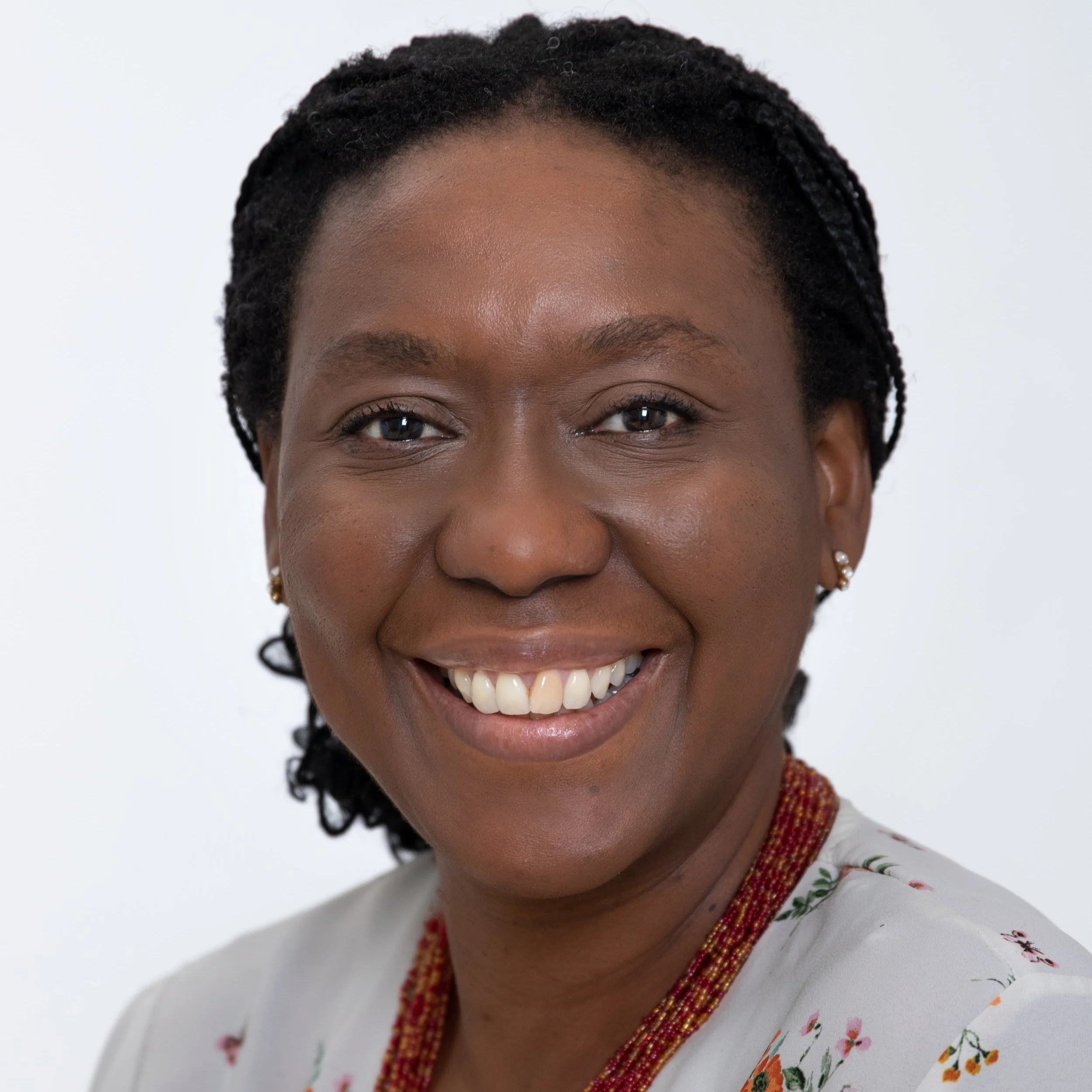
 
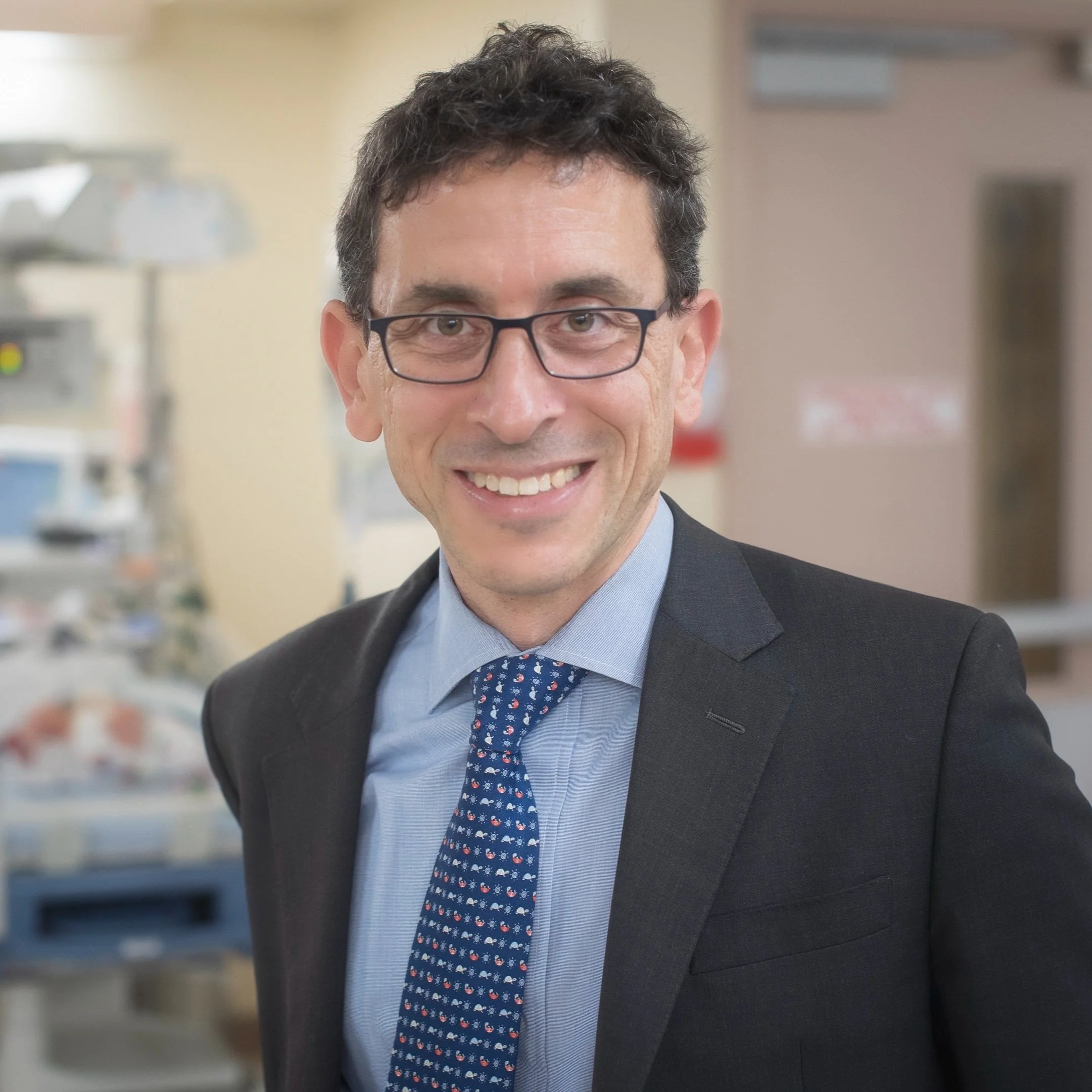
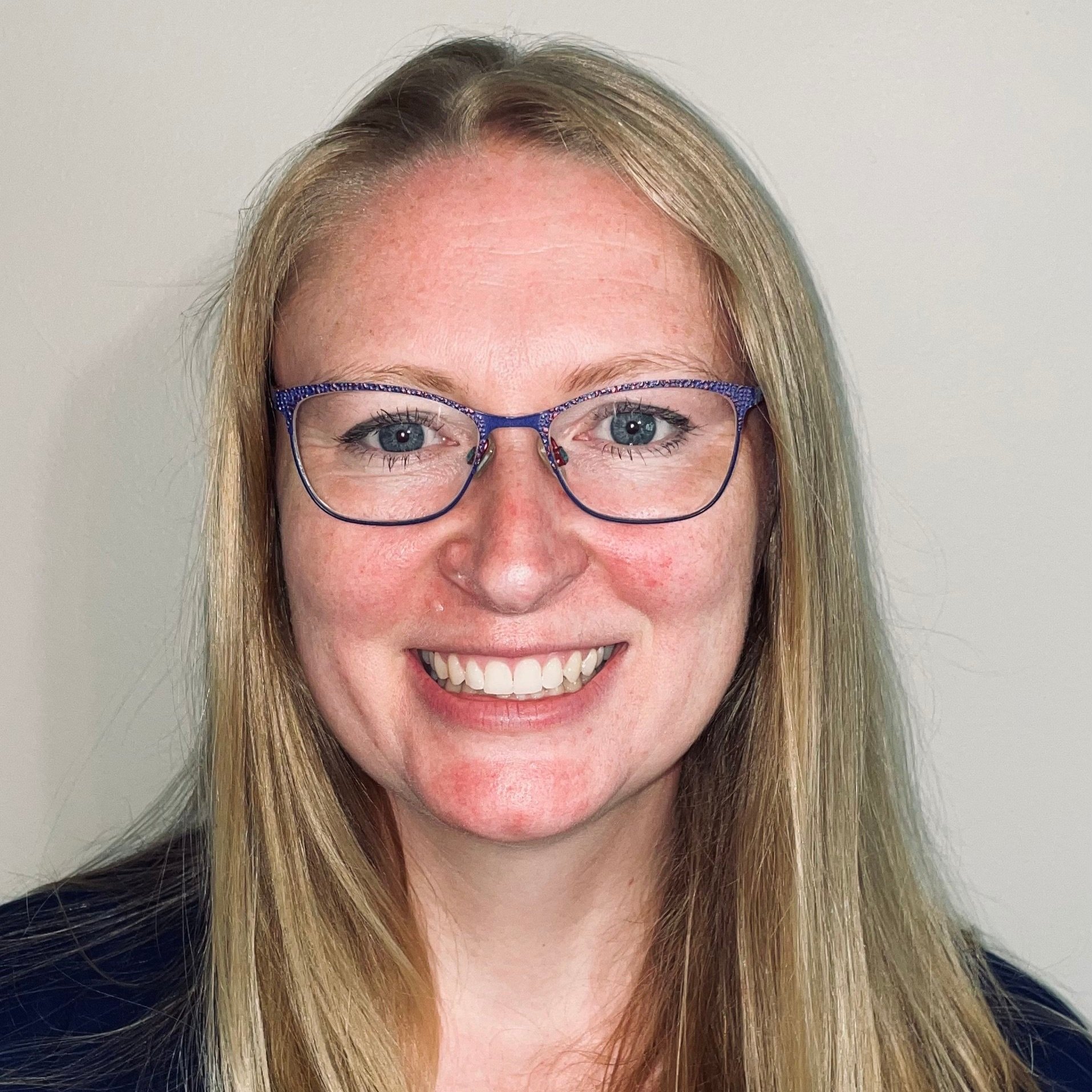
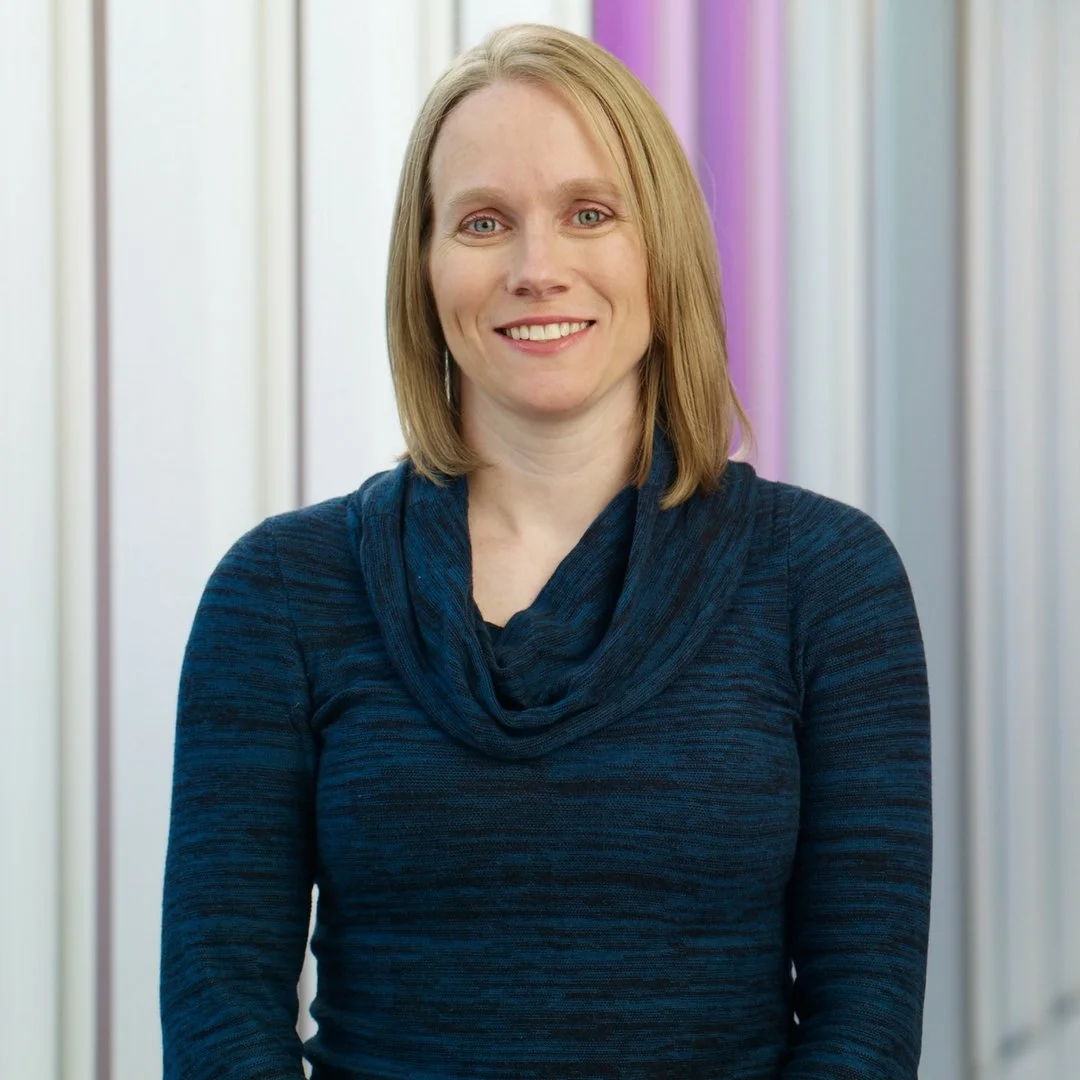
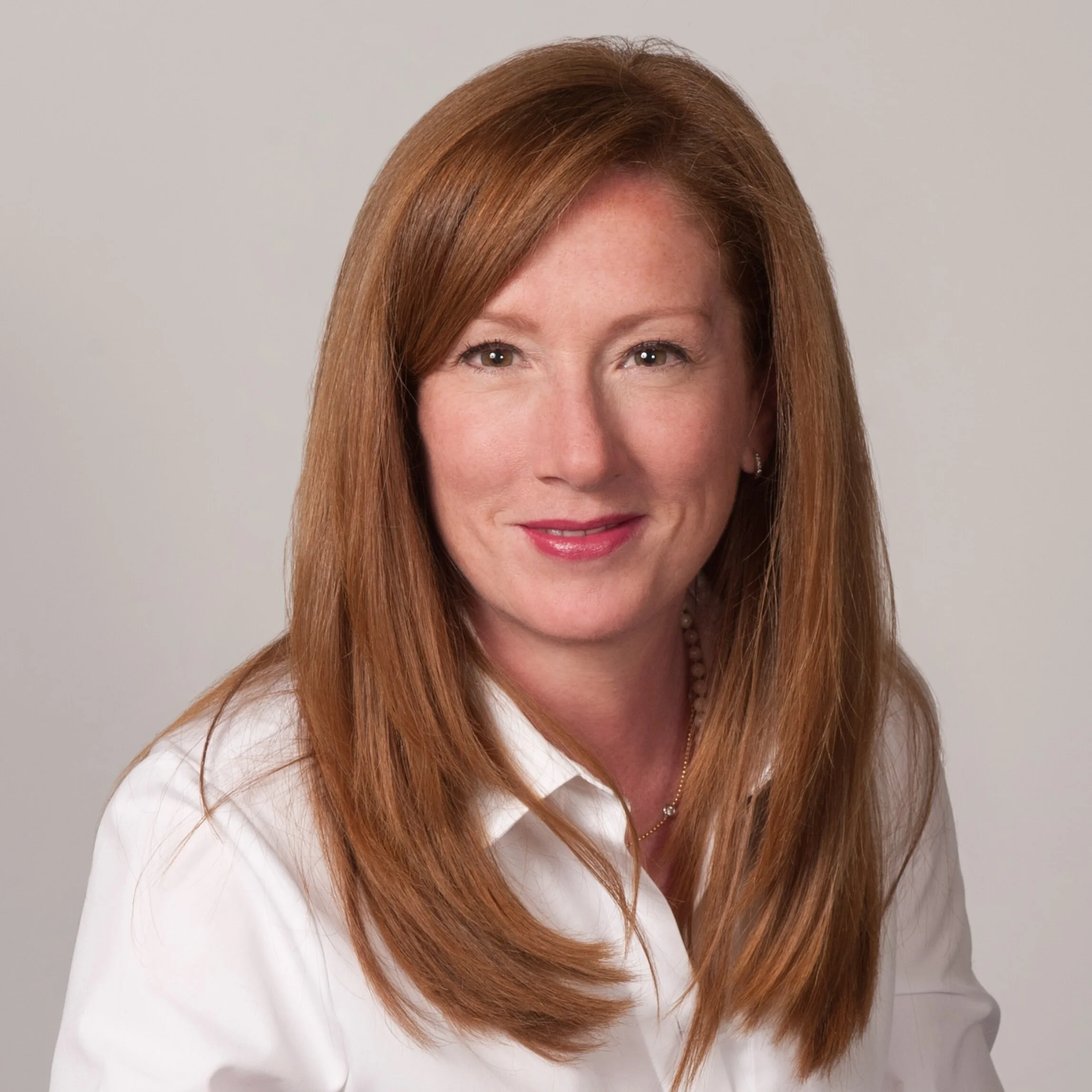
Headshot of Nomazulu Dlamini

Nomazulu Dlamini  
CHILD-BRIGHT Director of EDI-DI 
Staff Neurologist, Division of Neurology, SickKids 
Associate Professor, Department of Paediatrics, University of Toronto


We sat down with Noma to learn more about the EDI-DI Program’s plans for Phase 2: 

WHAT IS YOUR PROGRAM’S MANDATE? 

Nomazulu Dlamini: Our EDI-DI Program looks to ensure all voices, bodies, and experiences are included in all aspects of our network’s work.   

Our primary goal is to establish and maintain equitable, accessible, and inclusive research environments while advancing research excellence through health equity in patient-oriented research (POR) using an intersectional approach with other network collaborators across Canada. 

We will ground the network’s activities in our EDI-DI framework. Our principal objectives for Phase 2 include increasing our representation of equity-deserving groups across our network such as patient-partners, trainees, researchers, and participants, as well as centering the voices of people with lived experience and Indigenous Ways of Knowing & Being. This is essential to address health inequities that persist within these communities. We will also build EDI-DI training capacity into patient-oriented research to impact patient-partner engagement, training, research design, implementation science (IS), and knowledge mobilization (KM).  

HOW DO YOU PLAN TO ACCOMPLISH THIS? WHAT ARE THE MAIN TOOLS (CONCEPTS, FRAMEWORKS) THAT WILL BE USED TO FURTHER THIS MANDATE? 

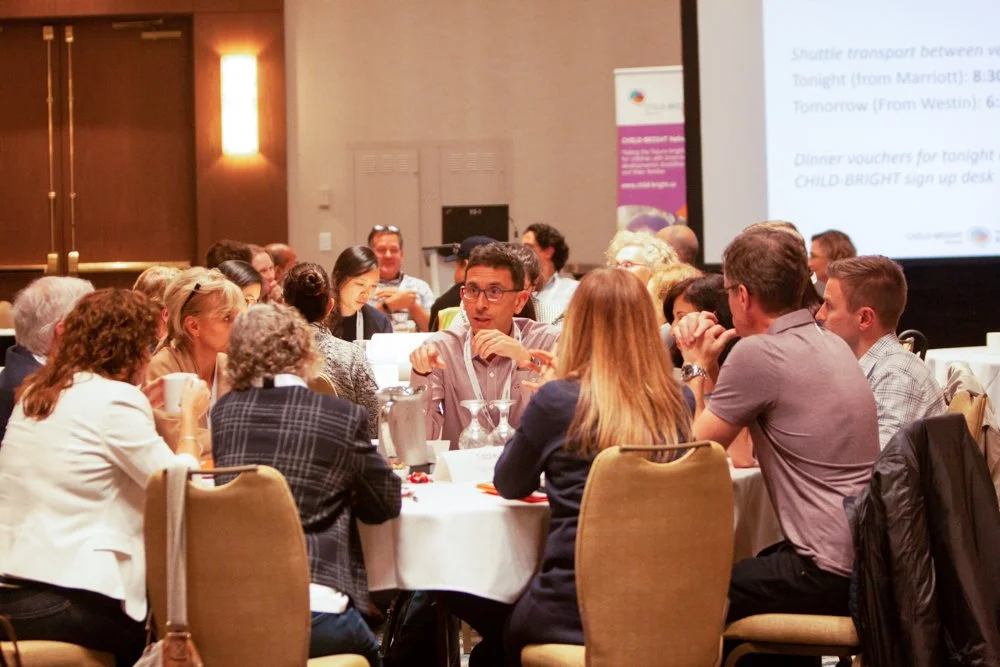
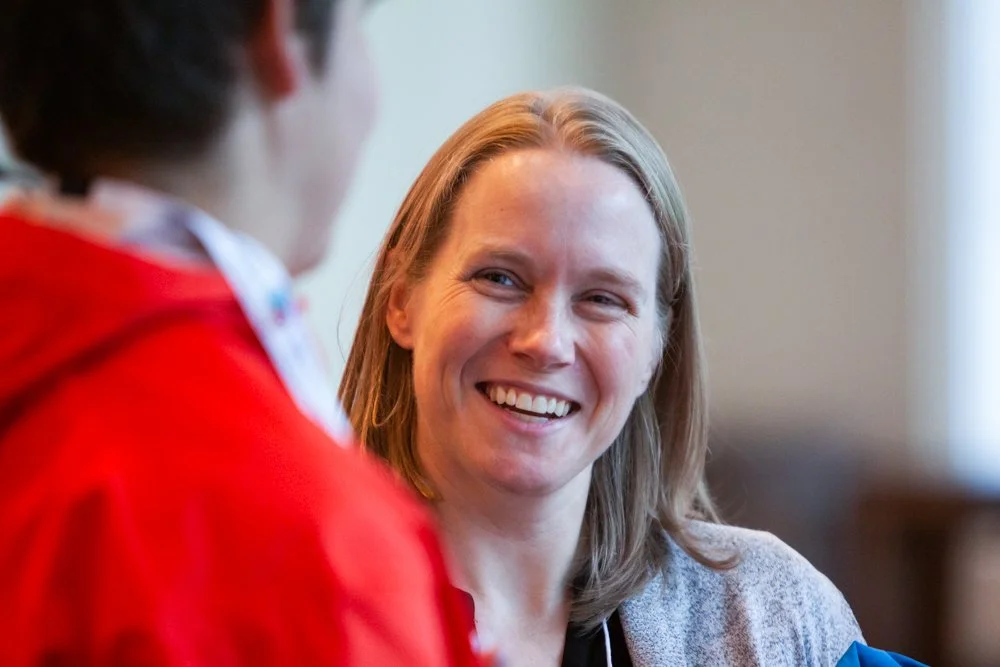
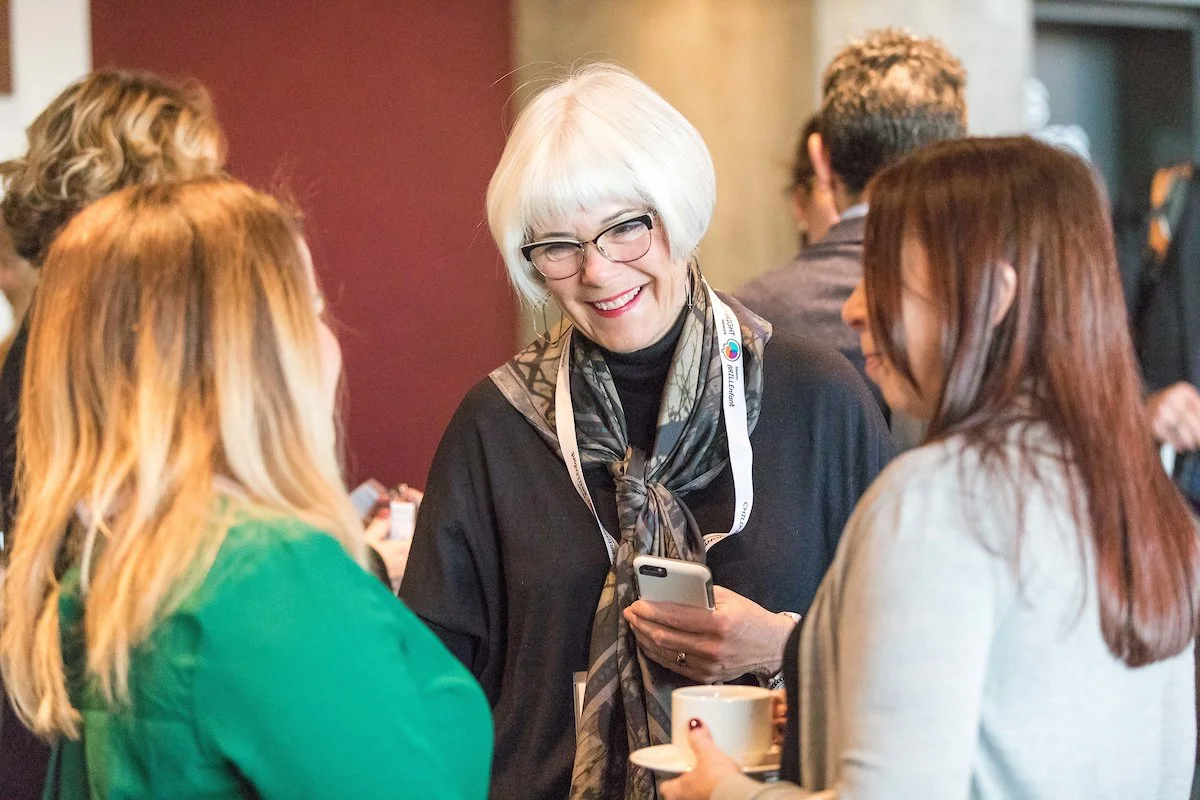
Nomazulu Dlamini engaged in conversation with another attendee at an event.

ND: In 2021, we developed our EDI-DI framework, which outlines our commitments to shifting the culture of the CHILD-BRIGHT Network and actively taking part in reflective practices throughout our engagement, research, and knowledge mobilization work. In Phase 2, we will integrate the EDI-DI framework, Indigenous Ways of Knowing & Being, and impacts of intersectionality in the conduct of research focused on all children with brain-based developmental disabilities, including children from historically marginalized communities. 

In the early stages of Phase 2, we will form advisory committees to guide our work in Indigenous Health as well as in EDI and health equity. We will be intentional in hiring people with lived experiences and unique professional skills in EDI-DI, Indigenous health, and health equity in relation to POR, IS, and KM. 

Working with our Training & Capacity Building Program, we will ensure the EDI-DI lens is at the forefront within the network’s activities and develop a certificate course on the application of EDI-DI. We have begun to develop a “learning pathway” that prioritizes core training and addresses learning gaps for the entire network.  

HOW WILL YOUR PROGRAM MEANINGFULLY ENGAGE PATIENT-PARTNERS? 

ND: One of our goals as a program is to ensure CHILD-BRIGHT diversifies its representation of equity-deserving groups such as patient-partners, trainees, researchers, and participants across our network. In Phase 2, we will collaborate with our Citizen Engagement team to create and build relationships with people and communities who are currently underrepresented in our network.  

TELL US MORE ABOUT YOU. WHAT MOTIVATED YOU TO TAKE ON THIS LEADERSHIP ROLE WITH CHILD-BRIGHT? 

ND:  Reducing health disparities by improving allyship, agency, access and systems has always been a huge motivator for me. Through my research, I aim to understand the mechanisms of injury, repair and neuroplasticity of the developing brain following stroke. I’m highly committed to ensuring such advances in research translate in a clinically meaningful way and touch the lives of all individuals impacted, including those in marginalized communities, which is why I believe the work we’re doing in the CHILD-BRIGHT EDI-DI Program is so important. I’m highly engaged with patients and families and have taken on multiple EDI-DI leadership roles at SickKids and in the pediatric neurology and stroke research communities at the national and international levels. These activities have been rewarding and motivating. 

My involvement with CHILD-BRIGHT began with the Stimulation for Perinatal Stroke Optimizing Recovery Trajectory (SPORT) research project, where I was a site Principal Investigator. Then, in 2020, I co-led a workshop for the network’s executive and central office teams called “Unlocking the Power of Allyship”, which was followed by a workshop on “Understanding and Unlearning Implicit Bias”, before I accepted the position of Director of EDI-DI. 

WHY IS IT IMPORTANT TO FOCUS ON EDI-DI IN PATIENT-ORIENTED RESEARCH NOW? 
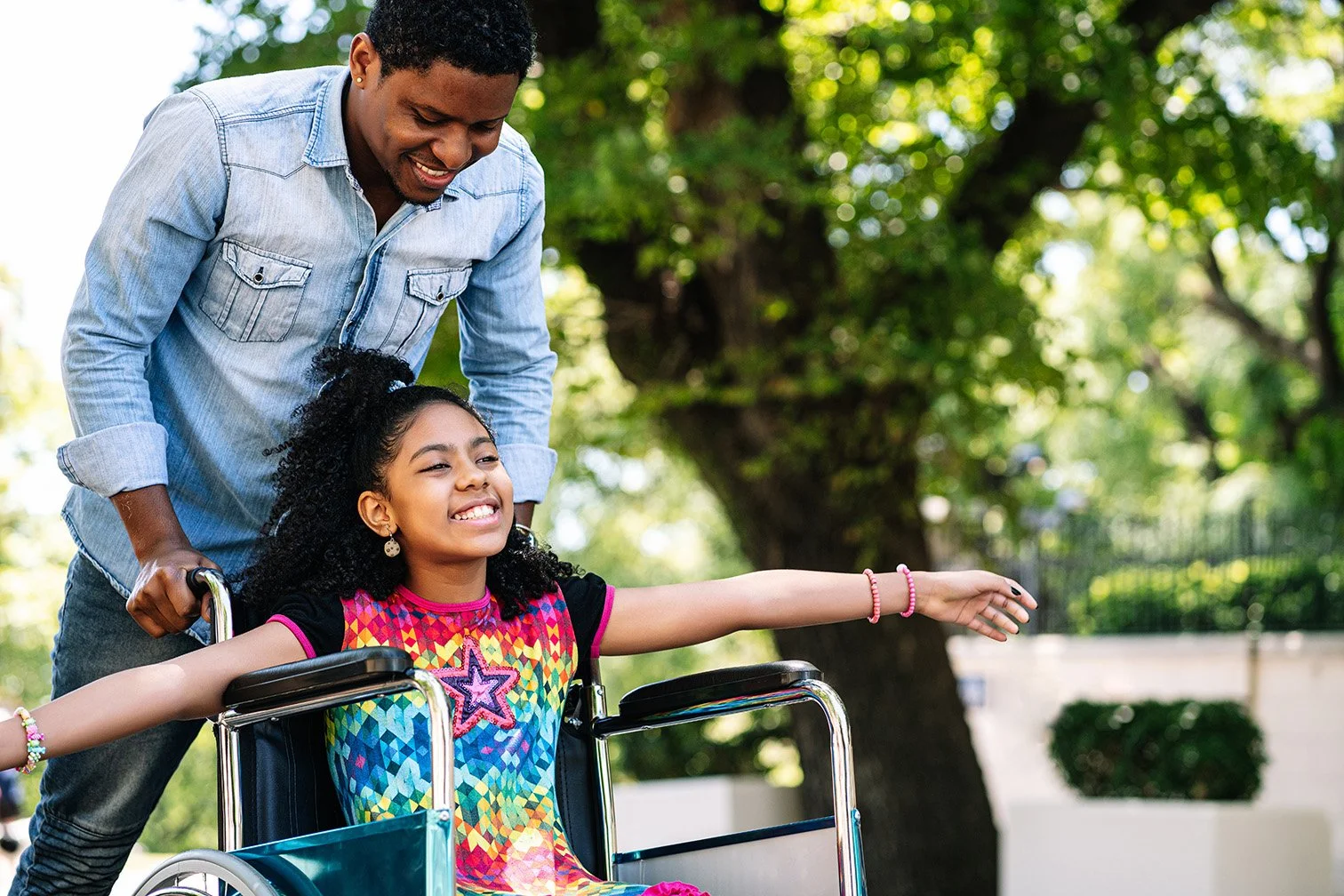
A Black father pushes his child, who is in a wheelchair, as she extends her arms wide and smiles.

ND: Indigenous Peoples, people with disabilities, racialized people, the LGBTQQIA2S+ (Lesbian, Gay, Bisexual, Transgender, Queer and/or Questioning, Intersex, Asexual, Two-Spirit, and other affirmative ways people choose to self-identify) community, and other equity-deserving groups continue to be confronted by the effects of colonialism, systemic racism, biases, and inequities in health care. We know that the effects of health disparities are magnified by the intersection of multiple oppressions, which also exist within research.  

In order for our research to have its fullest impact possible, we need to address these inequities and reach those children, youth, and families who are most affected by the lack of social justice and health equity. We believe that patient-oriented research can offer a path towards ensuring equity by way of ongoing engagement with our patient-partners and Indigenous communities, including supportive and inclusive leadership, dedicated resources, accountability, and transparency. 

WHAT ARE YOU MOST EXCITED TO SEE IN PHASE 2?  

ND: I am excited to see the results of the culture shift we are undertaking. I hope that by creating both “safe” and “brave” spaces for us to learn from one another, we will increase our understanding of each other in a global community sense. This will provide a foundation for the substantial work that we are setting out to do and improve the impact of our patient-oriented research.  

As one of the first steps towards this culture shift, many of our network members completed a four-part EDI-DI workshop this summer. I am already seeing signs of increased knowledge and personal growth. You can see “lightbulb moments” happening by observing people’s faces, their eyes, their tears, by listening to what is said and left unsaid. It’s all very telling and makes me hopeful for the journey we are all embarking on.  

Thank you, Noma, for this insight into the EDI-DI Program!  

If you are interested in learning more about the EDI-DI Program, please reach out to our EDI-DI Program Coordinator at edi-di@child-bright.ca.  

Learn more about our other Phase 2 programs: 

Getting to know our Phase 2 Programs: Implementation Science Research

As recently announced, the next phase of the CHILD-BRIGHT Network is being made possible thanks to a grant from the Canadian Institutes of Health Research (CIHR) under Canada’s Strategy for Patient-Oriented Research (SPOR), as well as matching funds from our generous partners. This support will allow us to grow from Network to Movement as we realize our mission for 2022-2026: moving our patient-oriented research into action through insight and methods grounded in implementation science and knowledge mobilization that embed the principles of equity, diversity, inclusion, decolonization and Indigenization. 

In order to achieve this vision and become a movement for change for children and youth with brain-based developmental disabilities and their families, we have brought together experts from across Canada to lead our five patient-oriented programs.  

Our Implementation Science (IS) Research Program team will focus our research to better understand how evidence generated in Phase 1 can be systematically applied in routine practice to improve quality and effectiveness of health services. To do so, Phase 1 Scientific Co-Director and Research Program Lead Steven Miller will be joined by Janet Curran as our IS Research Program Co-Leads in Phase 2. 

 
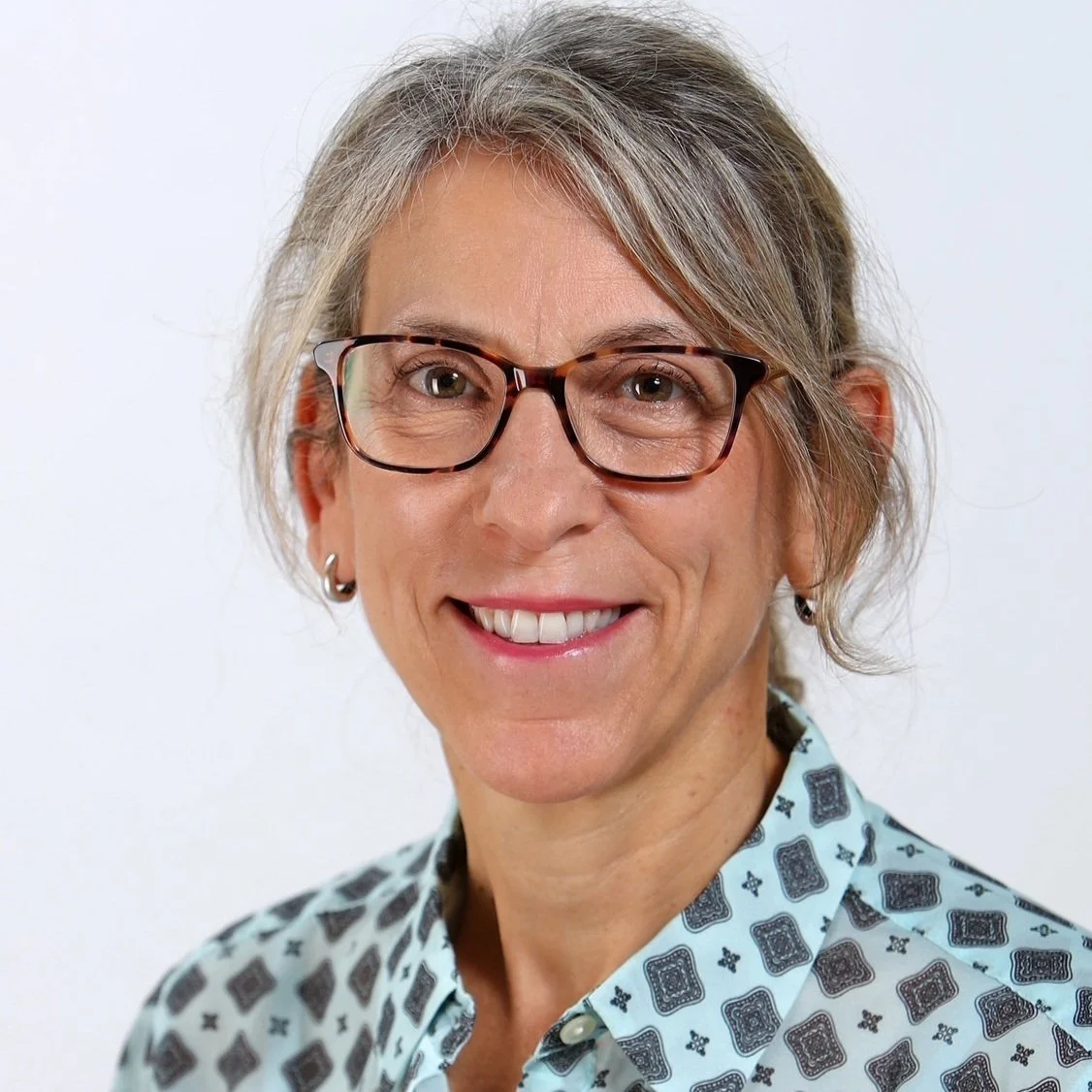
Headshot of Steven Miller

Steven Miller
CHILD-BRIGHT Scientific Co-Director, Principal Investigator & Implementation Science Research Program Co-Lead
Chief of Pediatric Medicine, BC Children’s Hospital
Head, Department of Pediatrics, University of British Columbia

Headshot of Janet Curran

Janet Curran
CHILD-BRIGHT Implementation Science Research Program Co-Lead
Professor, School of Nursing, Dalhousie University
Research Chair in Quality and Patient Safety, IWK Health Centre


We sat down with Steven and Janet to learn more about the IS Research Program’s plans for Phase 2: 

WHAT IS YOUR PROGRAM’S MANDATE? 

Janet Curran: In Phase 2, we will study how to bring novel, evidence-based interventions to our health care and community systems. Our ultimate goal is building a knowledge base that will provide guidance on how to adapt, modify, and customize strategies to work more effectively in hospitals, rehabilitation clinics, homes, communities and more.  

Bringing evidence-based interventions from a research setting into the real world is a substantial challenge. Implementation science is a field of research that studies how such an intervention will interact with “real-world” settings with the ultimate outcome of understanding what needs to be in place for the intervention to succeed in practice and at scale. 

Steven Miller: Our primary goal is conducting implementation science research to promote the uptake of evidence generated from Phase 1 of CHILD-BRIGHT, as well as evidence-based tools that were used in Phase 1, to improve health processes and outcomes for children with brain-based developmental disabilities and their families.   

Implementation science is a relatively new field of study; the intersection of implementation science and brain-based developmental disability is even less developed, so there’s a real opportunity for us here to build capacity and move this research forward for and with children and families.  

HOW DO YOU PLAN TO ACCOMPLISH THIS? WHAT ARE THE MAIN TOOLS (CONCEPTS, FRAMEWORKS) THAT WILL BE USED TO FURTHER THIS MANDATE? 

SM: Building on the work of CHILD-BRIGHT’s research projects in Phase 1, we will conduct 10 implementation science research projects in Phase 2. We will research how to implement new practice guidelines (around the use of constraint-induced movement therapy for kids with hemiplegic cerebral palsy, for example), eHealth technologies (like cognitive-based video game training), and practice roles (such as having a nurse navigator accompany parents in the neonatal intensive care unit). 

Additionally, our Prenatal Opioid Exposure and Neonatal Abstinence Syndrome project team will build upon the work they conducted in partnership with 13 First Nations communities in Phase 1 to address the impacts of prenatal opioid exposure on families. In Phase 2, communities will use the data collected in Phase 1 to develop community-specific knowledge mobilization plans. These knowledge mobilization activities will then be evaluated according to local Indigenous systems of health knowledge and values.

Lastly, we are very grateful to be collaborating with the Maternal Infant Child and Youth Research Network (MICYRN) to evaluate the implementation of patient-oriented research (POR). We expect that findings from this work will inform child health research infrastructure needs across Canada. 

JC: We will be guided by several principles in Phase 2. First, everything we do will be patient oriented. Second, we will advance health equity for children with brain-based developmental disabilities and their families through IS and knowledge mobilization (KM). Third, our work will be cross-collaborative across programs. All of our research project teams will consult with the KM, Equity, Diversity, Inclusion, Decolonization and Indigenization (EDI-DI), Citizen Engagement (CE), and Training & Capacity Building (T&CB) Programs to co-develop and conduct projects. Fourth, we will use implementation theories and frameworks to inform all stages of the project design.   

HOW WILL YOUR PROGRAM MEANINGFULLY ENGAGE PATIENT-PARTNERS? 

SM: We are collaborating with the CE Program to ensure that patient-partners are meaningfully engaged on each project in our program. The CE team has compiled tools and best practices from Phase 1 and will make them available as a toolkit for each Phase 2 team as they develop their project. For example, the toolkit provides guidance on how to create clear roles and expectations for both patient-partners and research team members. It also includes tips from patient-partners (youth and adult) and researchers on optimizing engagement based on stakeholder engagement research that CHILD-BRIGHT conducted in Phase 1. We will also work with the CE Program to use our matching tool to match patient-partners to opportunities on a project. We will also work with the EDI-DI Program to ensure that patient-partner opportunities are inclusive and that our projects engage a diverse group of people. 

JANET, TELL US MORE ABOUT YOU. WHAT MOTIVATED YOU TO TAKE ON THIS LEADERSHIP ROLE WITH CHILD-BRIGHT? 

JC: I’m a Professor in the School of Nursing at Dalhousie University, and Research Chair in Quality and Patient Safety at IWK Health Centre. I am also the IS Lead at the Maritime SPOR SUPPORT Unit, and Dalhousie University site lead at Knowledge Translation Canada. My program of research is focused on co-designing and evaluating best practice and policy change interventions to improve transitions in care for patients and families. 

As Steven mentioned above, Canada lacks researchers with expertise in both implementation science and brain-based developmental disability research. I view CHILD-BRIGHT Phase 2 as an opportunity for us to develop that capacity not only for trainees, but also for established researchers and patient-partners.  

STEVEN, WHAT LEARNINGS FROM PHASE 1 WILL YOU BE LEVERAGING IN PHASE 2?  

SM: In Phase 1, I learned how important it is to authentically engage patient-partners in research and all network activities. As a researcher, I have learned a lot from our patient-partners, and I continue to learn. As we move forward into Phase 2, I look forward to hearing how our patient-partners want CHILD-BRIGHT to approach implementation science research so that we can have practices and policies oriented to the patient. 

Phase 1 also taught me how to connect researchers from across the country to mutually learn about the research and health care systems in various provinces and territories. Each region approaches health care differently, and working in a pan-Canadian network affords us the opportunity to learn from each other. My Phase 1 experience highlighted how we are stronger together. 

WHY IS IT IMPORTANT TO FOCUS ON IMPLEMENTATION SCIENCE IN PATIENT-ORIENTED RESEARCH NOW? 

A father holds his baby up into the air against a backdrop of trees and the setting sun.

JC: I think that it’s very important that the fields of IS and POR are intersecting in such a deliberate and overt way through the SPOR’s Phase 2 initiative. Ultimately, any new evidence that is incorporated into practice or policy will impact a variety of groups, such as patients or clinicians. And although such groups have been represented in IS research in the past, conducting an IS research project in a POR framework will make the design and findings even more relevant to stakeholders and applicable to the “real world.” Further, we think that many patient-partners will enjoy conducting IS research and their lived experience will be quite valuable. Working on a randomized controlled trial, such as those conducted in CHILD-BRIGHT Phase 1, can be natural for a researcher but abstract for patient-partners who might be unfamiliar with the intricacies of research. In contrast, IS research is designed to resolve much more practical issues and we expect that many patient-partners will be able to apply their lived experience to Phase 2 projects quite naturally.   

WHAT ARE YOU MOST EXCITED TO SEE IN PHASE 2?  

JC: I am looking forward to working with new trainees, project team members, and patient-partners to guide their learning of implementation science and the value that it can bring to the population that CHILD-BRIGHT has set out to help.  

SM: I am excited to see our community grow and evolve. Looking back, it’s remarkable to reflect on CHILD-BRIGHT’s growth from 2016 to 2022 and we are looking forward to observing new interactions and relationships in Phase 2. Ultimately, we are excited to see how our novel interventions from Phase 1 can eventually be implemented to help children and youth with brain-based developmental disabilities and their families. And, in doing this, build our Canadian capacity for implementation science in this area. 

Thank you, Steven and Janet, for this insight into the IS Research Program!  

If you are interested in the intersection of IS research and brain-based developmental disability, reach out to Simonne Collins.

Learn more about our other Phase 2 programs: 

Getting to know our Phase 2 Programs: Training & Capacity Building

As recently announced, the next phase of the CHILD-BRIGHT Network is being made possible thanks to a grant from the Canadian Institutes of Health Research (CIHR) under Canada’s Strategy for Patient-Oriented Research (SPOR), as well as matching funds from our generous partners. This support will allow us to grow from Network to Movement as we realize our mission for 2022-2026: moving our patient-oriented research into action through insight and methods grounded in implementation science and knowledge mobilization that embed the principles of equity, diversity, inclusion, decolonization and Indigenization.  

In order to achieve this vision and become a movement for change for children and youth with brain-based developmental disabilities and their families, we have brought together experts from across Canada to lead our five patient-oriented programs.  

Our Training & Capacity Building (T&CB) Program will continue developing capacity in patient-oriented research, with new training opportunities that will emphasize topics related to understanding and applying implementation science (IS) and knowledge mobilization (KM) methods and equity, diversity, inclusion, decolonization and Indigenization (EDI-DI) principles as they intersect with patient-oriented research. To lead these efforts, Phase 1 Scientific Co-Director and Training Program Lead Daniel Goldowitz will be joined by Celia Laur as T&CB Co-Lead. 

 
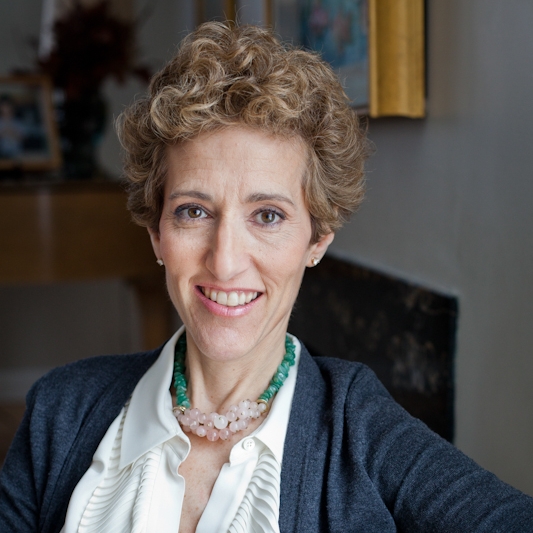
Headshot of Daniel Goldowitz

Daniel Goldowitz 
CHILD-BRIGHT Scientific Co-Director and Training & Capacity Building Program Co-Lead  
Professor, Department of Medical Genetics 
Senior Scientist, Centre for Molecular Medicine and Therapeutics               
BC Children’s Hospital Research Institute (BCCHR) 
University of British Columbia

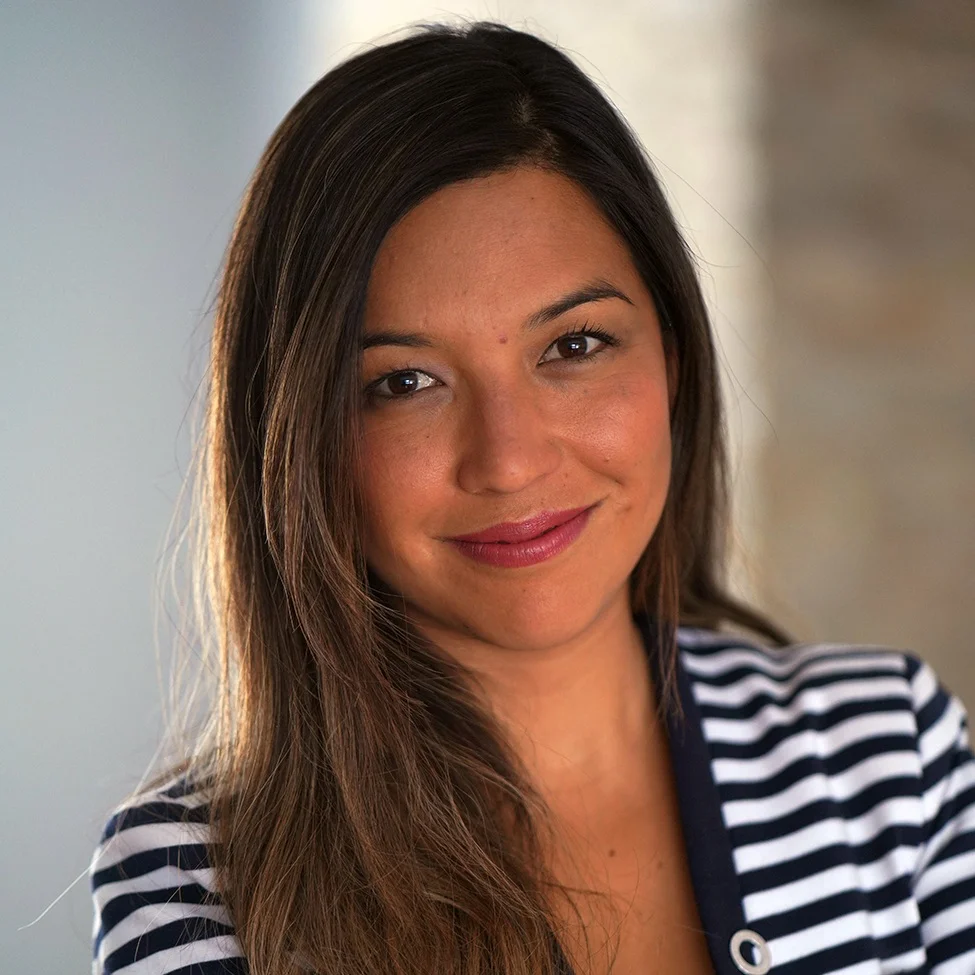
Headshot of Celia Laur

Celia Laur 
CHILD-BRIGHT Training & Capacity Building Program Co-Lead                                
Scientific Lead, Office of Spread and Scale  
Women’s College Hospital Institute for Health System Solutions and Virtual Care (WIHV)  
Assistant Professor (Status), Institute for Health Policy, Management, and Evaluation; University of Toronto 


We sat down with Dan and Celia to learn more about the T&CB Program’s plans for Phase 2:  

WHAT IS YOUR PROGRAM’S MANDATE? 

Daniel Goldowitz: The role of the T&CB Program is to design and host opportunities like studentships, fellowships, and mentorships, to meet IS, KM, and EDI-DI training gaps within the network. 

In Phase 1, the Training Program made great strides in training our members in patient-oriented research (POR) and building POR capacity. We did so by hosting webinars and workshops exploring the practical application of POR, offering patient-oriented summer studentships and graduate fellowships, and funding innovative POR approaches using our special award offerings, such as the Training Innovation Fund and Collaborative Mentorship Grant. Externally, we co-created a National Training Entity, which is now supported by CIHR. We also worked with BC and Ontario SPOR SUPPORT Units to create self-paced training modules in pediatric POR. 

A person uses a tablet computer.

Celia Laur: Building on what Dan said, we have three main goals for Phase 2. Firstly, we’ll develop capacity throughout our network so our members can apply the basic concepts of equity-informed implementation science to POR findings to help improve care and outcomes for children with brain-based developmental disabilities and their families. Secondly, we will develop capacity for our members to embed tenets of EDI-DI throughout POR projects to ensure that knowledge mobilization is informed by, and maximally benefits our diverse patient population. Finally, we will develop mentorship initiatives that train our research project teams to develop sustainability plans and implementation strategies to move research findings into practice. 

HOW DO YOU PLAN TO ACCOMPLISH THIS? WHAT ARE THE MAIN TOOLS (CONCEPTS, FRAMEWORKS) THAT WILL BE USED TO FURTHER THIS MANDATE? 

CL: We will create learning and funding opportunities to enhance our approaches to IS and KM and increase our capacity in EDI-DI. These will include webinars, self-paced learning modalities, scholarships, fellowships, mentoring, and coaching strategies. They will be tailored to relevant audiences and adapted to different competency levels. We will also leverage existing resources and collaborate with other organizations to develop training outputs that can be widely shared and disseminated across all SPOR entities. 

HOW WILL YOUR PROGRAM MEANINGFULLY ENGAGE PATIENT-PARTNERS? 

DG: The effort of the T&CB Program is guided by a committee comprised of multiple stakeholders who provide a diversity of perspectives. Critical to our approach is listening to the voices of our committed patient-partners who serve on this committee and are integral to developing all the exciting training and funding opportunities that we offer. Looking ahead into the new phase of the network, we are excited to not only cultivate a strong collaboration with the EDI-DI team, but to welcome new patient-partners to the T&CB Program committee to ensure that our efforts better serve historically underrepresented groups.  

CELIA, TELL US MORE ABOUT YOU. WHAT MOTIVATED YOU TO TAKE ON THIS LEADERSHIP ROLE WITH CHILD-BRIGHT? 

CL: I’m an early career investigator, implementation scientist and health services researcher, so was very pleased to have the opportunity to work with this national network at a time when they are increasing their focus on putting knowledge into practice. Joining the T&CB Program aligns with my personal interests in capacity building and implementation science and my role with the Office of Spread and Scale at Women’s College Hospital. It also provides me the opportunity, in my own small way, to support children with brain-based developmental disabilities and their families. 

DAN, WHAT LEARNINGS FROM PHASE 1 WILL YOU BE LEVERAGING IN PHASE 2? 

DG: In Phase 1, I think we did an excellent job in training our students, fellows, family members and researchers. In Phase 2, we would like to build on the lessons learned and successes and then move our efforts to the larger community. 

WHY IS IT IMPORTANT TO FOCUS ON TRAINING & CAPACITY BUILDING IN PATIENT-ORIENTED RESEARCH NOW? 

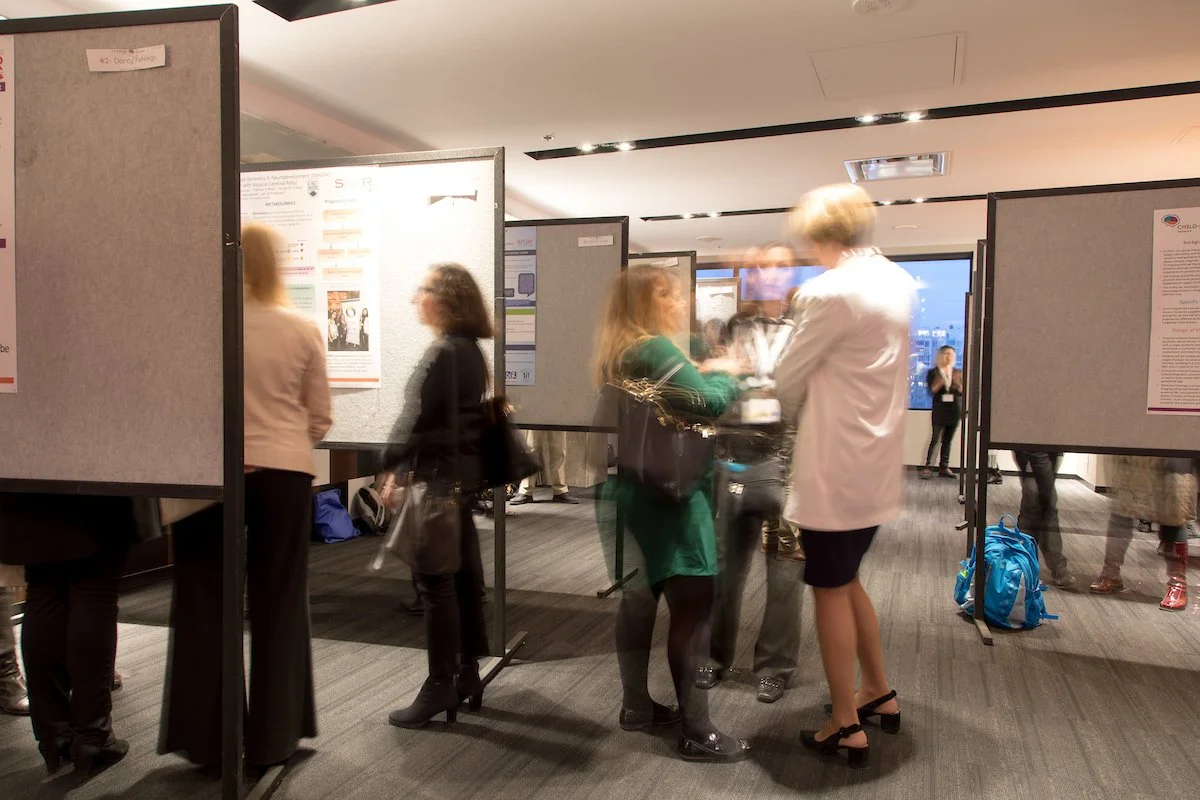
Attendees in conversation at a poster presentation session.

DG: Patient-oriented research is still a very new initiative in the health care system, so continued efforts in this direction will serve to have a larger number of practitioners. With Phase 2, we are introducing IS, KM, and EDI-DI. These may be new concepts to many of our members and to the larger community, so it is important to help folks be aware of what these concepts mean, and how they support our efforts to support kids with neurodevelopmental disabilities.   

CL: To add to Dan’s point, each of these areas are interconnected and complement each other. We want to encourage people to learn about these areas together and see what make the most sense for each team to have the widest impact, particularly for embedding the principles of EDI-DI through the network.  

WHAT ARE YOU MOST EXCITED TO SEE IN PHASE 2?  

DG: It is like a new journey and therein lies the excitement, like we are on a sailing vessel that we have seen to be seaworthy. We’re now preparing the ship for the continuation of our voyage to exciting new lands. 

CL: To continue Dan’s analogy, I’m excited to be a new passenger on this ship! I’m looking forward to meeting people throughout the network and finding ways for us to all learn together.  

Thank you, Dan and Celia, for this insight into the Training & Capacity Building Program!  

If you have any questions about the plan for the T&CB Program in Phase 2, reach out to Program Coordinator Pierre Zwiegers

Learn more about our other Phase 2 programs: 

Getting to know our Phase 2 Programs: Knowledge Mobilization

As recently announced, the next phase of the CHILD-BRIGHT Network is being made possible thanks to a grant from the Canadian Institutes of Health Research (CIHR) under Canada’s Strategy for Patient-Oriented Research (SPOR), as well as matching funds from our generous partners. This support will allow us to grow from Network to Movement as we realize our mission for 2022-2026: moving our patient-oriented research into action through insight and methods grounded in implementation science and knowledge mobilization that embed the principles of equity, diversity, inclusion, decolonization and Indigenization. 

In order to achieve this vision and become a movement for change for children and youth with brain-based developmental disabilities and their families, we have brought together experts from across Canada to lead our five patient-oriented programs.  

Our Knowledge Mobilization (KM) Program team will move knowledge across practice and policy by building an infrastructure that will direct evidence to targeted users (patients and families, health care providers, health care decision-makers, and community) using tailored, evidence-informed, user-friendly strategies and by carefully evaluating the impact of knowledge mobilization strategies. To do so, Phase 1 Knowledge Translation Program Co-Leads Keiko Shikako and Connie Putterman will be joined by Stephanie Glegg. 

Headshot of Connie Putterman

Connie Putterman 
CHILD-BRIGHT Knowledge Mobilization Program Co-Lead 
Parent and Professional Advocate and Mentor, Instructor and Coordinator for family partnership, engagement and inclusion in autism, neurodevelopmental and mental health research,
Family Engagement in Research Coordinator, Centre for Addiction and Mental Health (CAMH)
 
Instructor, Co-Developer, Mentor, Consultant, Family Engagement in Research (FER) Course/Program, McMaster University/CanChild/Kids Brain Health Network 

Headshot of Keiko Shikako

Keiko Shikako
CHILD-BRIGHT Principal Investigator & Knowledge Mobilization Program Co-Lead
Canada Research Chair in Childhood Disabilities: Participation and Knowledge Translation
Associate Professor, McGill University | School of Physical and Occupational Therapy

Headshot of Stephanie Glegg

Stephanie Glegg
CHILD-BRIGHT Knowledge Mobilization Program Co-Lead
Investigator, BC Children's Hospital Research Institute
& Assistant Professor, Department of Occupational Science & Occupational Therapy
The University of British Columbia

We sat down with Connie, Keiko and Stephanie to learn more about the KM Program’s plans for Phase 2: 

WHAT IS YOUR PROGRAM’S MANDATE? 

Stephanie Glegg: First, I should clarify what we mean by knowledge mobilization. KM refers to both the activities involved in the co-creation of knowledge by researchers and knowledge users, and the use of research results and other knowledge to improve the health care system and its practices to enhance health outcomes. In CHILD-BRIGHT Phase 2, the KM Program and Implementation Science (IS) Research Program will be working together to mobilize knowledge across and beyond the network, with and for diverse knowledge users, including youth and families, health care providers, decision-makers, and community.  

Keiko Shikako: Building on the successful Knowledge Translation Program efforts from Phase 1, we will develop the infrastructure to support nation-wide KM by identifying the best KM practices to use with various groups of knowledge users. We will also augment our current Policy Hub to include new national clinical, family and community Hubs to support collaborative planning and multi-directional knowledge exchange across groups. Finally, as we put evidence-informed KM strategies in place, we will evaluate them systematically, so that we can advance the science of patient-oriented KM.  

Connie Putterman: Adding to this, we will engage knowledge users as active partners in KM throughout all phases of the work, including as planners, co-producers, messaging leaders, and end-user liaisons. To me, KM is all about communication strategies and competencies. It’s all about understanding the audiences you wish to inform and translating that knowledge in ways that are meaningful to them. We also want to ensure that the information is evidence informed, meaning that it comes from a place that has credibility through research and other ways of knowing. 

HOW DO YOU PLAN TO ACCOMPLISH THIS? WHAT ARE THE MAIN TOOLS (CONCEPTS, FRAMEWORKS) THAT WILL BE USED TO FURTHER THIS MANDATE? 

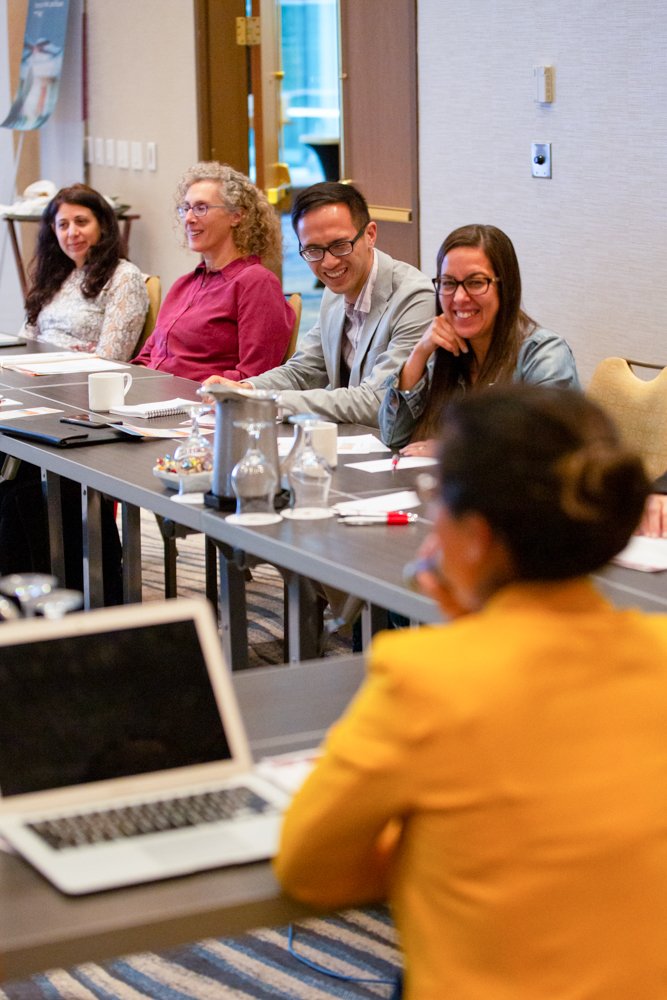
CHILD-BRIGHT members gathered around a table in discussion.

SG: KM, implementation science theory and evidence guide all our activities. We will also draw on network theory, because KM is inherently a social process that is enabled by our connections with one another. The KM Program will work with four key knowledge user groups by establishing Network Hubs: the Patient Hub, Clinician Hub, Policy Hub, and Community Hub. The purpose of these Hubs is to strengthen the relationships and facilitate communication within these specific groups to define priorities and then create opportunities for fluid, constant, and efficient knowledge exchange between the network and these groups. We’ll also consult with project teams in the use of best practices and evaluate our activities to identify what is working well, and where to shift our efforts.  

HOW WILL YOUR PROGRAM MEANINGFULLY ENGAGE PATIENT-PARTNERS? 

KS: The Phase 2 KM advisory committee will include partners with KM expertise from each of four key knowledge user groups in particular: patient-partners (family members and youth), health care and other service providers, decision-makers, and community organizations. The Hub structures we’ll be developing are a joint effort between the KM Program and the Citizen Engagement Program. We’ll also be collaborating with the Equity, Diversity, Inclusion, Decolonization and Indigenization (EDI-DI) Program to ensure that we are using best practices to engage equity-deserving groups, and that our activities resonate with and are informed by these groups. The Hubs are in essence all composed, co-led, co-designed in a participatory approach, bringing the concept of “patient-partners” to community partners and really sharing a vision that we are all equal members around the table—researchers, community members, patients, families, decision-makers, and youth—in the process of co-constructing knowledge and making sure academic research informs and is part of “the real world”. 

CP:  For me it comes from the top down and also the bottom up. For instance, built into the infrastructure of our program is a KM Parent Co-lead (me!). In all aspects of the decision-making at the governance level, I along with other parent-partner colleagues in similar roles will be contributing to those decisions. Our aim for the KM Program is to include other patient/family partners in all aspects of both the new infrastructure as described above, such as the design and the decision-making, and its implementation. When I say bottom up, I mean nurturing and capitalizing on the interest of the community, which will bring value, perspective and clarity in the act of partnering. 

STEPHANIE, TELL US MORE ABOUT YOU. WHAT MOTIVATED YOU TO TAKE ON THIS LEADERSHIP ROLE WITH CHILD-BRIGHT? 

SG: I’ve been a member of the CHILD-BRIGHT KT Committee since its inception and have had the pleasure of working with Connie and Keiko in that capacity. I’m an implementation scientist, with 15 years of experience facilitating KM in health care, so this work aligns with my passions. I’ve been involved in implementation and KM planning consultation, and in knowledge product/platform development and capacity-building initiatives through this work, which makes this role a great fit. My doctoral research examined the KM supports in place within pediatric health centres and research institutes across Canada, and patterns of social connections within these organizations that facilitate KM. This leadership role offers a space to apply the learnings from this work, to help the network expand its reach and impact using a holistic lens to mobilize meaningful change. 

CONNIE, KEIKO, WHAT LEARNINGS FROM PHASE 1 WILL YOU BE LEVERAGING IN PHASE 2? 

KS: Our co-leadership model with a parent-partner is one essential aspect that we will continue from Phase 1. We have worked in Phase 1 to develop mutual respect and relationships that are truly the base for participatory action research. The appreciation of perspectives, and trust among the team were invaluable to our co-lead and committee decision-making model. Parent-partners and youth were not only part of our KT committee in Phase 1, but were also part of setting priority research questions, collecting and analyzing data, and shared decisions about ways to use and disseminate information. We plan to continue this approach into Phase 2 and expand on the KM strategies and program evaluation.  

CP: We also learned that with KT and KM, there is a lot of internal advocacy and learning that needs to be done.  This means that among the CHILD-BRIGHT community we need to continue to work for clarity and understanding of what we can and can’t do in a research context.  

WHY IS IT IMPORTANT TO FOCUS ON MOBILIZING KNOWLEDGE ABOUT PATIENT-ORIENTED RESEARCH NOW? 

KS: Knowledge Translation Science as a field of inquiry has been out there for decades now. It has always been important to mobilize knowledge about patient-oriented research, but now we have developed tools, methods, and learned more about the critical aspects of it: true engagement from patients/citizens, the importance of evaluation, and the absolute necessity of listening to the priorities and directions of those who should use the information to guide research priorities. Involving patient and parent-partners as research team members increases the relevance of the research and helps to engage more knowledge users in research. KM is critical in ensuring that the findings of research, and the experiential knowledge of children, families, and health care providers, reaches the people who will benefit from or be impacted by it. If we want to effect real change in the health care system, KM needs to be informed by all the groups involved: from the “end-users” (patients, families) to the ones delivering health care (health care providers and community organizations) up to the ones making decisions about health care systems, budgets, and priorities (decision-makers). 

CP: In addition, the movement of patient-oriented research and engagement in research is still on a forward trajectory. We want to capture the momentum now while we are on an “upswing” and in a new frontier in the health research community. We have also learned from the growing body of evidence that patient/family/youth voices improve processes and lead to better health care outcomes for all.  

WHAT ARE YOU MOST EXCITED TO SEE IN PHASE 2?  

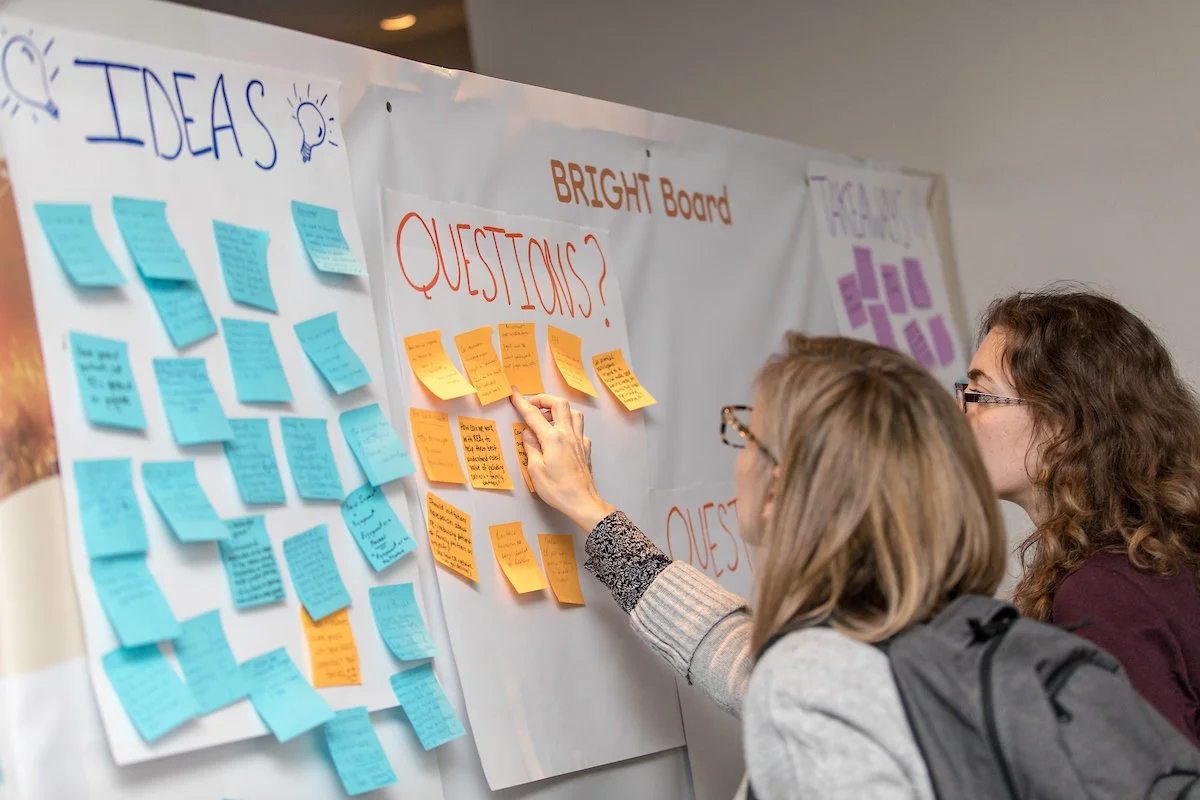
Two people read Post-Its posted on a brainstorming board

SG: We’re excited to be collaborating across programs so that the principles of EDI-DI, citizen engagement, training and capacity building, and implementation science can be integrated into everything we do, and hopefully vice versa. There is so much to learn about mobilizing knowledge while being attentive to and including different ways of knowing, including with groups that have been historically and systematically marginalized. It is important that we are finally paying attention not only to who has a seat at the table, but especially who does not have a seat, and we are not inviting them to “our table” but trying to find a way to their table to learn from them. This is the “movement” that is one of the most challenging ones in the “network to movement”, but one step that is absolutely necessary to be able to say we are really mobilizing knowledge across academia, communities, and systems. 

CP:  I am most excited to get out there and spread the word. It is still a bit of an unknown entity that someone from a non-academic setting can contribute and benefit from research in this way. No longer is research meant for the ivy tower. It’s meant for all of us! 

Thank you, Connie, Stephanie and Keiko, for this insight into the KM Program!  

If you have questions about our KM Program, reach out to our Program Coordinator Alix Zerbo

Learn more about our other Phase 2 programs: 

Getting to know our Phase 2 Programs: Citizen Engagement

As recently announced, the next phase of the CHILD-BRIGHT Network is being made possible thanks to a grant from the Canadian Institutes of Health Research (CIHR) under Canada’s Strategy for Patient-Oriented Research (SPOR), as well as matching funds from our generous partners. This support will allow us to grow from Network to Movement as we realize our mission for 2022-2026: moving our patient-oriented research into action through insight and methods grounded in implementation science and knowledge mobilization that embed the principles of equity, diversity, inclusion, decolonization and Indigenization. 

In order to achieve this vision and become a movement for change for children and youth with brain-based developmental disabilities and their families, we have brought together experts from across Canada to lead our five patient-oriented programs.  

For the past six years, our Citizen Engagement (CE) Program has monitored and enhanced citizen partnerships. In Phase 2, the CE team will continue to do so while assuming leadership nationally in promoting patient-oriented research in child health research and working closely with the EDI-DI Program to engage people who are underrepresented in the network. This important work will ensure that the rights of children with disabilities of diverse backgrounds and abilities are respected. Leading this work is Sharon McCarry, CHILD-BRIGHT’s Director of Citizen Engagement and Chair of the Citizen Engagement Council. 

 
Headshot of Sharon McCarry

Sharon McCarry
CHILD-BRIGHT Director of Citizen Engagement
Chair, Citizen Engagement Council


We sat down with Sharon to learn more about the CE Program’s plans for Phase 2: 

WHAT IS YOUR PROGRAM’S MANDATE? 

Donna Thomson in discussion with other CHILD-BRIGHT members at an event.

Sharon McCarry: Citizens—children and youth, patients, parents, family members, caregivers, and health professionals—are at the heart of CHILD-BRIGHT. Our program aims to meaningfully engage people touched by brain-based developmental disabilities to guide the ongoing work of the network.  

Since CHILD-BRIGHT’s beginnings, we have fostered meaningful engagement with youth and families, notably through the creation of our Citizen Engagement Council (CEC), composed of youth and young adults with brain-based developmental disabilities, parents of children with brain-based developmental disabilities, and other members, including researchers and health professionals. The CEC launched multiple measurement strategies to understand the engagement and partnership experiences of our network members. We created a Parent Liaison role to guide and support our parent-partners and spaces co-designed by and for youth with lived experience of brain-based developmental disabilities to be heard in research by developing our National Youth Advisory Panel.  

HOW DO YOU PLAN TO ACCOMPLISH THIS? WHAT ARE THE MAIN TOOLS (CONCEPTS, FRAMEWORKS) THAT WILL BE USED TO FURTHER THIS MANDATE?  

SM: As we build on our successes from the past six years, a big priority for CE will be engaging citizens from equity-deserving communities. We recently recruited new youth and we are also planning on leveraging current relationships with our members and the EDI-DI team to form new connections and build relationships with new organizations, community groups, and people living in rural environments. 

In Phase 1, we developed several resources from lessons learned to enhance patient-oriented research.  We will work with our project teams so they can incorporate these lessons at the start of their implementation science research projects, such as the tips that were developed out of responses to our stakeholder engagement study. These resources will also become part of a toolkit to support capacity building for investigators in child health research institutes and centres across Canada. 

We’ll also collaborate with the Training & Capacity Building Program to train our members in new concepts that are key to our Phase 2 work, including implementation science, knowledge mobilization, and equity, diversity, inclusion, decolonization and Indigenization, so they can fully and confidently engage with our network. 

TELL US MORE ABOUT YOU. WHAT MOTIVATED YOU TO TAKE ON THIS LEADERSHIP ROLE WITH CHILD-BRIGHT? 

SM: I’ve been a passionate community advocate for families living with autism spectrum disorder and brain-based developmental disabilities since 2007 and I am committed to making meaningful and significant change in policies and services for the disability community. I initially joined CHILD-BRIGHT in 2018 as a parent-partner and member of the Strongest Families ND Parent Advisory Committee. Then, in 2021 I took on the role of Director of Citizen Engagement and Chair of the Citizen Engagement Council. I’m excited to be at the helm of the CE Program, working with our amazing CEC at such a pivotal time for the network, as focus turns to becoming a movement for change for children, youth and families.  

WHY IS AUTHENTIC PATIENT-PARTNERSHIP SO IMPORTANT FOR RESEARCH?  

SM: As a network falling under Canada’s Strategy for Patient-Oriented Research (SPOR), CHILD-BRIGHT has been at the forefront of a shift in health research. We are conducting research ‘with’ or ‘by’ patient, youth and family partners, as well as other network members, instead of ‘for’ them. This approach is intended to promote a better health system and better health outcomes.  

In order to fully realize our mandate, and as we strive to align with the disability community’s mandate of “nothing about us without us”, it’s crucial that we create and maintain ever stronger connections with patients, youth, families, caregivers, and the community at large.   

WHAT LEARNINGS FROM PHASE 1 WILL YOU BE LEVERAGING IN PHASE 2? 

SM: We can learn a lot from our first round of onboarding network members. In Phase 2, we’ll be especially focused on clarifying roles and expectations for our patient-partners involved at the project, committee and network levels. We hope this will ensure early engagement of all our members in the research process. In Phase 1, we also developed compensation guidelines, which we will provide to patient, youth and family members involved in our research and network efforts right from the get-go.   

Thanks to the three-part stakeholder engagement study conducted in Phase 1, we were able to gather a lot of valuable information that we can act on to enhance the engagement experience of our network.   

For example, we learned about the need to develop relationships among patient, youth and family representatives and research team members in informal ways. Closed or smaller group conversations and coffee chats are great for this!  

We’ll also emphasize effective and ongoing communication to clarify project goals and allow network members to stay actively involved. Regular check-ins with members during each phase of the research process will be a big part of that communication, as will offering accommodations and flexibility around people’s schedules and methods of participation in committee or project activities. 

WHAT ARE YOU MOST EXCITED TO SEE IN PHASE 2?  

SM: I’m most excited to see research culminate in changes to policy and practice for children, youth, and families with brain-based developmental disabilities! For the CE Program specifically, I’m looking forward to increased cross-collaboration between programs, looking at the terminology we use to ensure our language truly represents all our members, updating our compensation guidelines, and more. I’m optimistic about what our network can accomplish when we work together to bring about real change. 

Thank you, Sharon, for this insight into the Citizen Engagement Program!  

Consult the list of current opportunities to get involved with our network here. If you’re interested in participating in the Citizen Engagement Program, reach out to Citizen Engagement Coordinator/Project Manager Corinne Lalonde

Learn more about our other Phase 2 programs: