
Announcing CHILD-BRIGHT’s new Director of Citizen Engagement

Français

As a patient-oriented research network that aims to engage all people touched by brain-based developmental disabilities as meaningfully as possible in all aspects of our work, citizen engagement is a core component of what CHILD-BRIGHT does. It’s only by creating and maintaining ever stronger connections with patient-partners, families, caregivers, and the wider community that we can fully accomplish our network’s mandate: to improve life outcomes for children with brain-based developmental disabilities and their families.

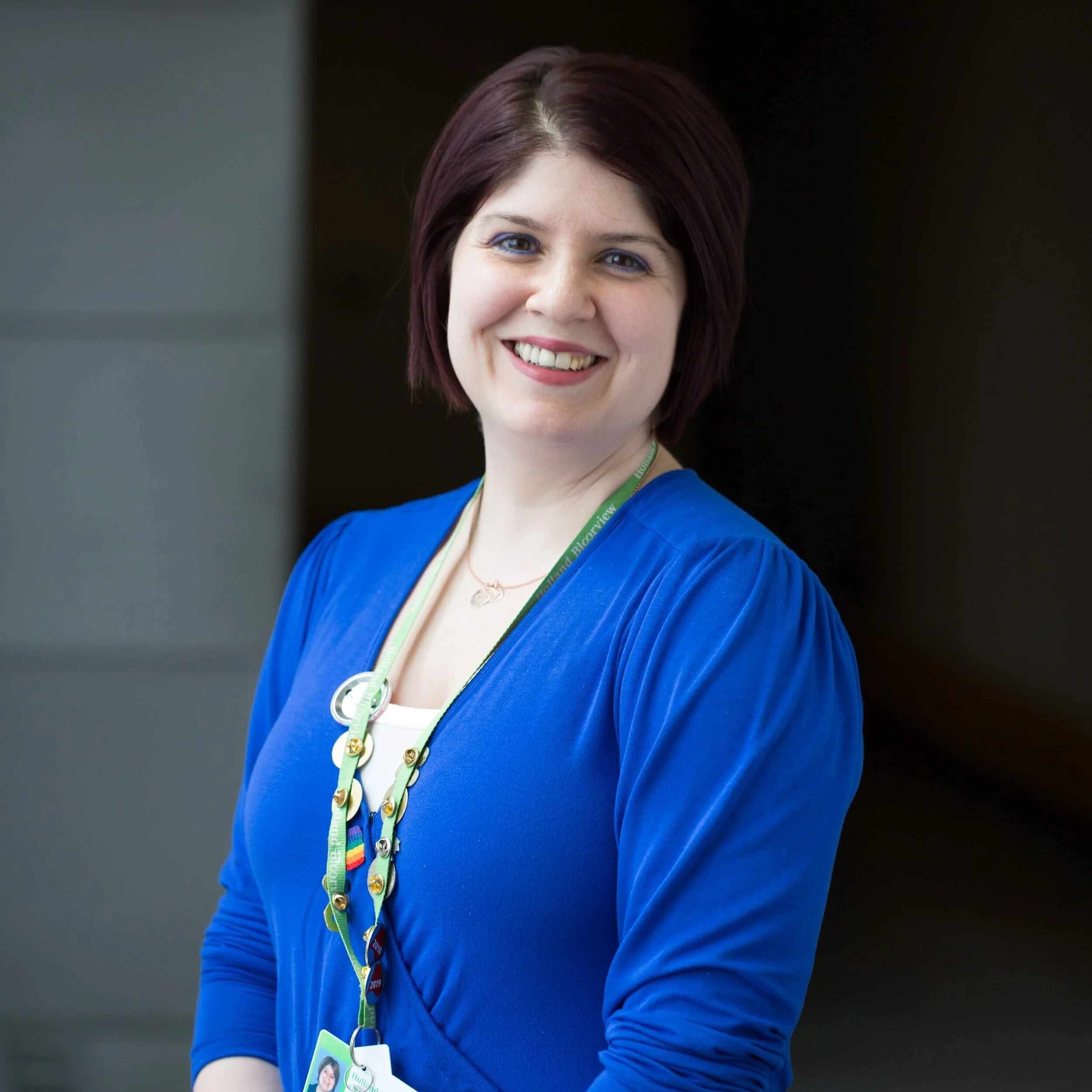
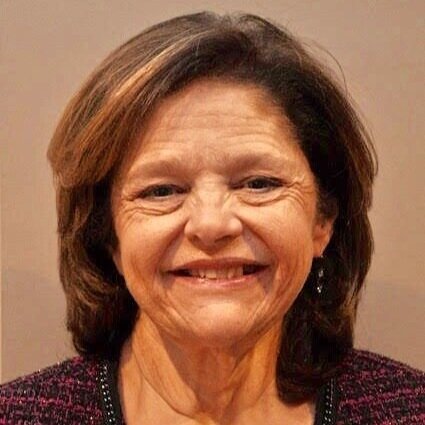
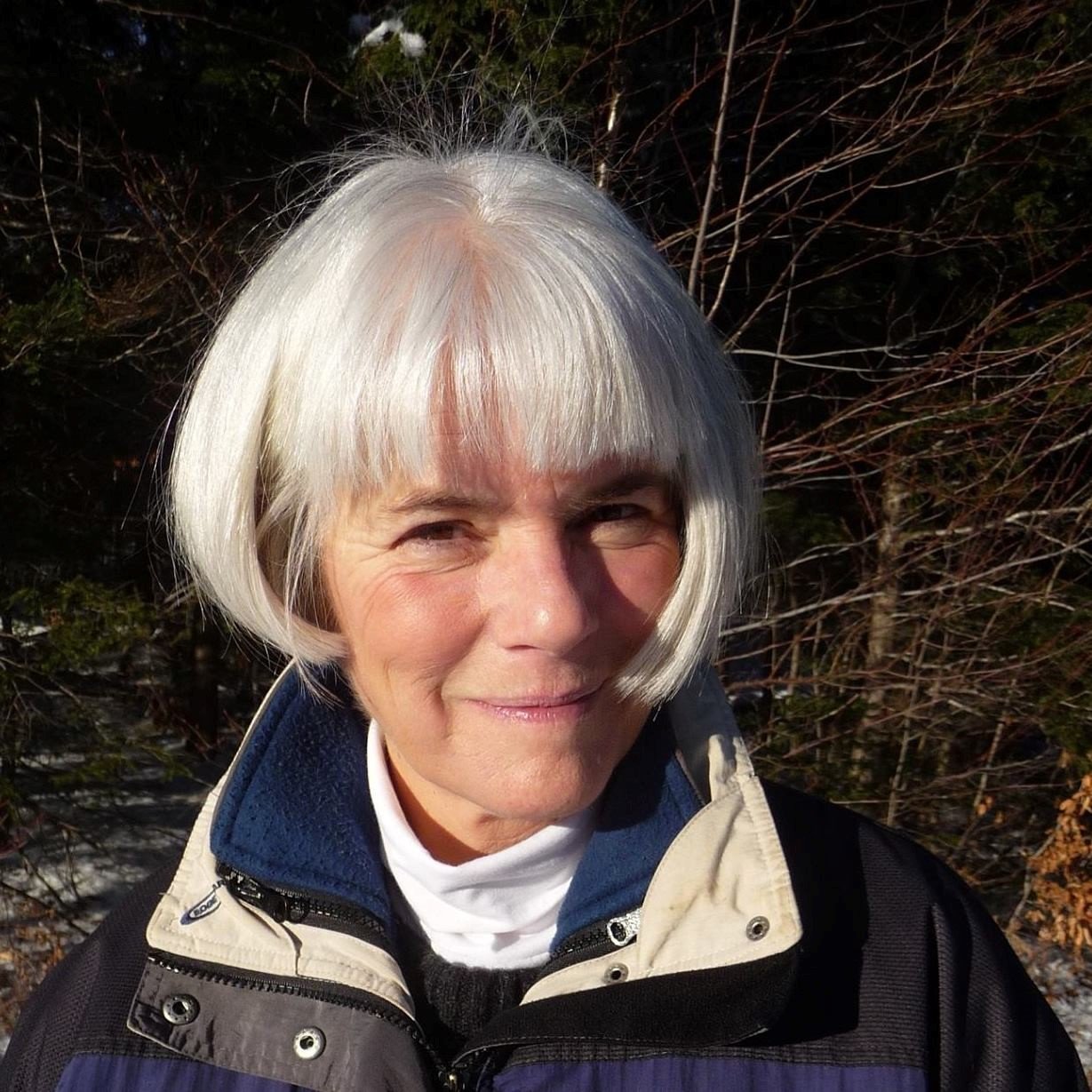
Sharon McCarry

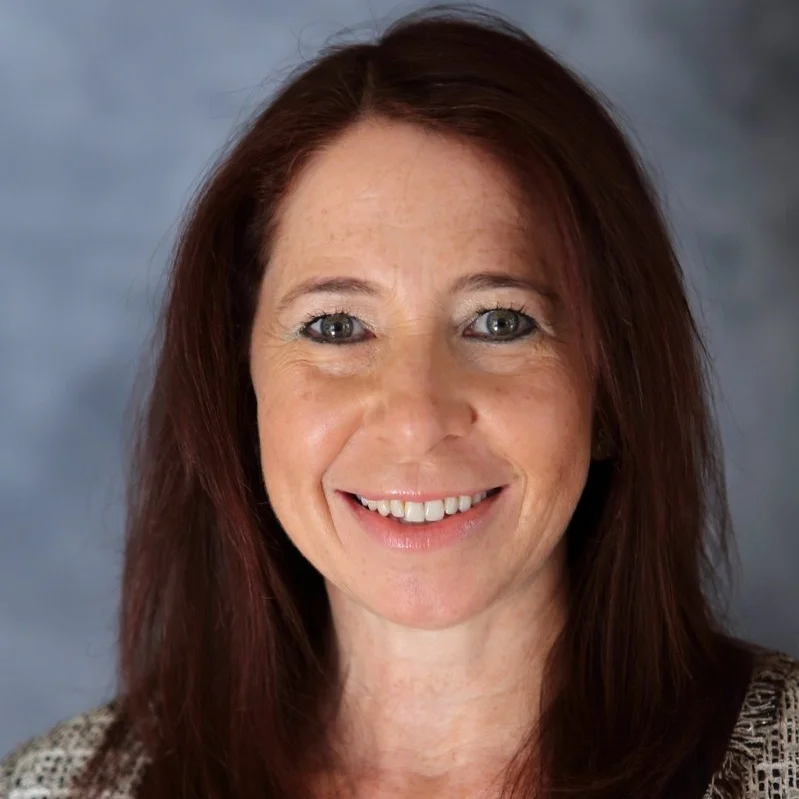
In our network, it falls to the Director of Citizen Engagement (CE) to solidify such engagement across the entire portfolio of network activities. Since 2017, Frank Gavin has, as inaugural Director of Citizen Engagement, expertly helmed both the Citizen Engagement program and  Citizen Engagement Council. As Frank’s term as Director comes to a close, we are thrilled to announce that community autism administrator and advocate and CHILD-BRIGHT parent-partner Sharon McCarry will be taking up the mantle as Director of Citizen Engagement and Chair of the Citizen Engagement Council.

Sharon is no stranger to CHILD-BRIGHT or the Canadian brain-based developmental disability community. In addition to her role as parent-partner and Parent Advisory Committee member with the Strongest Families Neurodevelopmental Program, Sharon is a passionate community advocate for families living with autism spectrum disorder (ASD) and other neurodevelopmental disabilities. She is committed to making meaningful and significant changes in disability-related policies and services that benefit families.

In 2008, she founded La Fondation Place Coco, a Canadian charity that manages and operates the Little Red Playhouse (LRP). LRP is an integrated preschool, where young children, both neurodiverse and neurotypical, learn side-by-side in a supportive educational setting.

Picture1.jpg

Sharon is also an active volunteer. She is a member of the Canada Revenue Agency’s Advisory Committee on the Disability Tax Credit, which advises the Minister of National Revenue and the CRA on how the Agency can improve the way it administers and interprets tax measures for Canadians with disabilities. An accomplished business professional, Sharon has also worked with numerous Fortune 500 companies in marketing strategy and brand management. She holds a BA from McGill University and lives in Montreal, Quebec, where she is a mother to two sons, one with autism.

READ OUR PROFILE OF SHARON AS PART OF OUR “CHILD-BRIGHT CONVERSATIONS” SERIES

Sharon will now bring these experiences in the professional, research, and advocacy realms to bear on her new role as Director, as she trains her sights on diversifying our patient-partner group and improving representation of inadequately represented populations in our network.

“After many years as a parent-partner, I am delighted to take on a more active role at the heart of CHILD-BRIGHT,” Sharon shared.

“In the past five years, CHILD-BRIGHT has nurtured an active and thriving patient and research community. I’m excited to come in and continue to shape the Citizen Engagement program at such a pivotal time for the network, as focus turns to ensuring the sustainability of its innovative patient-oriented research work in the years to come. It’s by continuing to engage all members of this community that we will create brighter futures for children with brain-based developmental disabilities and their families.”

“Of course,” Sharon added, “It is in no small part thanks to Frank’s efforts that CHILD-BRIGHT has been able to foster such a vibrant pan-Canadian community! I have large shoes to fill but am committed to building upon this work in the years ahead.”

Frank’s involvement with the network stretches back to its very inception. He played an integral role in the application to the SPOR Chronic Disease Network competition in 2015 that would lead to CHILD-BRIGHT’s creation. He then took a lead role in recruiting members of the Citizen Engagement Council and began chairing the council in the fall of 2016.

Between 2017 and 2021, he led the citizen engagement efforts of the network as Director of Citizen Engagement and member of the network’s Executive and Network Steering Committees. In that time, he led a number of initiatives to fruition, always guided by patient-partner input.

IMG_2590.JPG

Along with the other members of the Citizen Engagement Council, he developed the network’s patient compensation guidelines, which have continued to evolve over the years to respond to patient-partner needs. He also created the Parent Peer Mentor role (currently occupied by Carrie Costello) to better support our parent-partners.

Frank also oversaw several initiatives that increased the responsiveness of the network to patient-partner feedback, such as the development of a protocol for collecting qualitative data through interviews with patient-partners and the researchers they work with, as well as a protocol for conducting exit interviews with patient-partners who left the network.

On a number of occasions, Frank represented the Citizen Engagement program at events external to our network, including as part of an ongoing CIHR-funded project to create a national SPOR Patient and Public Engagement Evaluation Framework. (The protocol for this project was published in February of this year.)

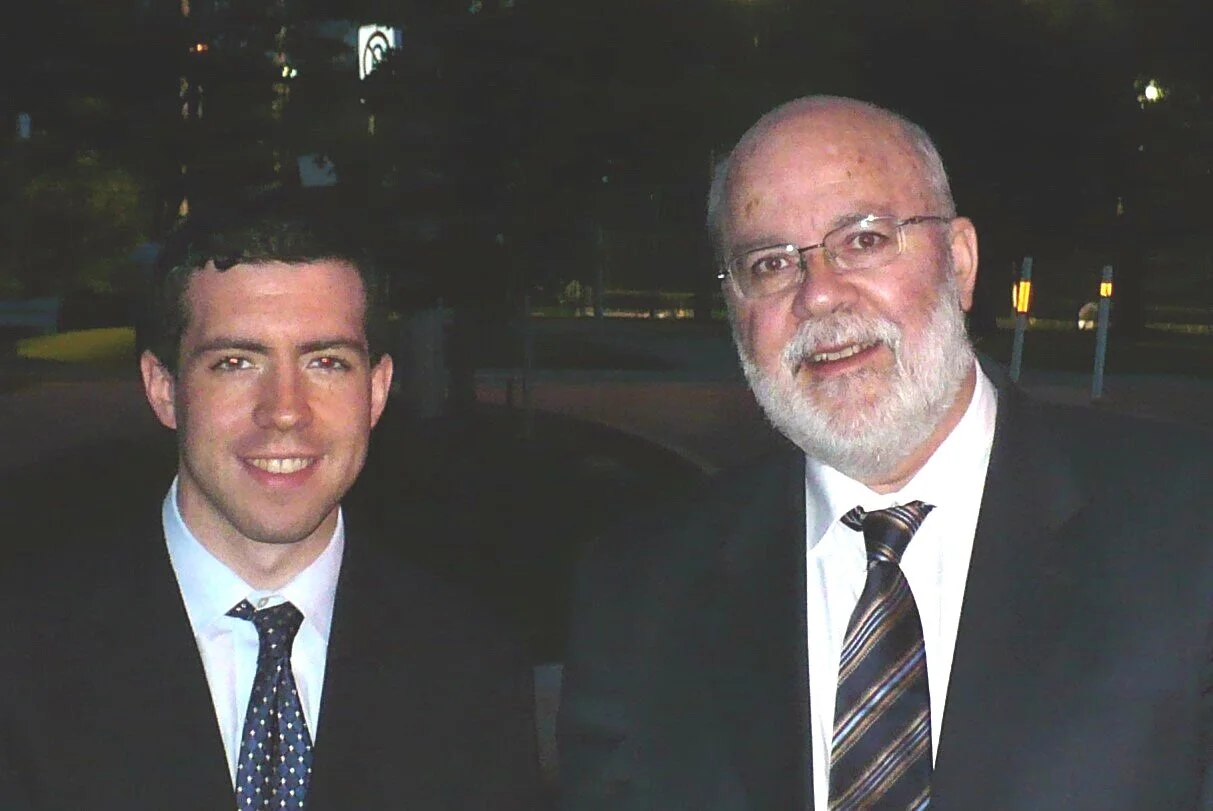
In 2018, he coordinated and organized a panel presentation by patient-partners from all SPOR networks at the CIHR's Strategy for Patient-Oriented Research (SPOR) Summit in Ottawa, an event that brought together 300 SPOR stakeholders, including patients, federal/provincial/territorial ministries, partners, researchers and clinicians.
P1000427.JPG

He represented CHILD-BRIGHT when presenting at a 2019 Hacking Health webinar and at the IMAGINE Network's Annual Meeting where he identified possible areas of collaboration between our two SPOR Networks. He also represented CHILD-BRIGHT at the Conquering the Hurt Conference, hosted by the SickKids Pain Centre in 2020, and to a University of Toronto graduate class in 2021 about ethical issues specific to patient-oriented research.

“Frank has brought so much to the network,” expressed CHILD-BRIGHT Nominated Principal Investigator and Scientific Director Annette Majnemer. “His thoughtful reflections on all things patient engagement, his wisdom in navigating the challenges that arise in a network such as ours, and, most importantly, his devotion to brighter futures for children with brain-based developmental disabilities and their families will be sorely missed.”

To honour Frank for his important and vital contributions to our network’s growth and development, the CHILD-BRIGHT Network is establishing the Frank Gavin Patient Engagement Leadership Award. This award will recognize leaders in patient engagement in research related to children with brain-based developmental disabilities and their families. Stay tuned for details on this award and how to apply in the coming weeks.

In the meantime, please join us to thank Frank for his invaluable work in helping CHILD-BRIGHT strengthen its citizen engagement over the years, and welcome Sharon to her new role! 

Connect with Sharon by email at sharon.mccarry@child-bright.ca or on Twitter @sharon_coco.
2021 Virtual Symposium Discussion: Brainstorming Together on How to Support the Continued Funding of Child Health Research in Canada

Français

How can the CHILD-BRIGHT community rally to support the continued funding of critical child health research in the realm of neurodevelopmental disability? As part of our recent 2021 CHILD-BRIGHT Virtual Symposium, Katie Griffiths, a personal support worker who runs the Patchwork Half Heart community and a parent-partner in our MATCH study, along with Patrick D. Lafferty, who has extensive experience providing strategic planning to organizations, co-facilitated a discussion aimed at brainstorming answers to this question.

“Through my journey I have learned how little research funding there is for children’s health,” Katie Griffiths observed. The time for uptake of this research is also lengthy. On average it takes nearly two decades before a scientific discovery can be adopted into clinical practice. However, as illustrated by the rapid development of the COVID-19 vaccines over the last year, when priorities align and sufficient resources at a local and international level are made available, the research community can address complex problems much more quickly, including ensuring the continued funding of important child health research.

“The opportunities are there,” Patrick Lafferty noted. “The question is how to get the right people in the room to brainstorm […] a model that can be taken to all sorts of constituencies.”

VS_Brainstorming.png

During the symposium brainstorming session, 20 participants raised a variety of topics, including the importance of further enhancing public involvement in the research process, and more broadly publicizing successes to generate awareness. In addition, the participants discussed learning from past successful social media campaigns (such as the ALS Ice Bucket Challenge) to leverage non-traditional funding opportunities and made the case for funding a national diagnostic strategy that would yield financial returns and support further innovative research initiatives. Key takeaways included a call to action to consider unique funding strategies and subsequently engaging committed stakeholders who would move the effort forward.

CHILD-BRIGHT has taken note of these takeaways and is now evaluating the issues raised for future brainstorming sessions, events, and research priorities.

The 2021 report, Inspiring Healthy Futures: A Vision for Children, Youth and Families In Canada, identifies five Interlinked priorities to measurably improve the health and wellbeing of children and youth In Canada. Research is recognized within the framework as a critical contributor to health and wellbeing, but must be integrated seamlessly into Canadian policy and practice to truly influence child health outcomes.  

With this in mind, let’s dream together as we consider the future work of CHILD-BRIGHT. Let’s consider questions never asked and strategies never tried as we continue engaging patients and families, funders, researchers, and key decision makers in this critically important work.

What do you believe we can do to help to continue to fund critical research into brain-based developmental disability in children? Share your thoughts in the comments below.

MISSED OUT ON THE 2021 VIRTUAL SYMPOSIUM? READ OUR RECAP HERE

Announcing the Winners of our 2021 Knowledge Translation Innovation Incubator Grant Competition!

Français

 We are pleased to announce the two winning teams of our 2021 CHILD-BRIGHT KT Innovation Incubator competition: the Let’s go to the Library team and the CommuniKIDS team. Read more about each team below.

KTII_2021 winners_Project 1.png

What is Let’s go to the Library?

The Let’s go to the Library team will use the KT Innovation Incubator grant to create a digital library containing a series of brief storybooks on different sexuality topics for pre-teens to read alone or with their parents. Youth interviews, child-generated art, and inclusive images will be used throughout the storybooks to promote engagement. Content will be underpinned by the Ontario sexual education curriculum and disability-specific guidelines.

More specifically, the team will:  

  • Gather information from target sources and organize it into key themes/topic areas

  • Design and develop the storybooks in collaboration with stakeholders, a graphic designer, and a videographer

  • Host the storybook on an existing hospital website for easy access to the resources.


Meet the team:

Let’s go to the Library is led by Amy McPherson (Senior Scientist at Bloorview Research Institute and Associate Professor at the University of Toronto) and Christine Provvidenza (Knowledge Translation Lead, Evidence to Care at Holland Bloorview Kids Rehabilitation Hospital).

Other project team members include:

  • Alison Engel-Yan (Parent collaborator, passionate advocate for increasing access to sexuality-related resources for children with disabilities and member of the Family Leadership Program at Holland Bloorview)

  • Nelson Ainsley and Makumbu Lumbu (Lived experience collaborators)

  • Amanda Landry and Charise MacDonald (Occupational therapists at Holland Bloorview)

  • Lindsay King (Social worker at Niagara Children’s Hospital)

  • Madison Giles (PhD trainee and research assistant)

  • Jennie Williams (Enhance the UK, dissemination partner).


_KTII_2021 winners_Project 2.png

What is CommuniKIDS?

logo-normal-1000.png

The CommuniKIDS team will use the KT Innovation Incubator grant to develop a freely-accessible bilingual trial results communication tool (“CommuniKIDS”) in collaboration with youth and families impacted by different forms of child disability.

More specifically, the project will:

  • Work with youth and families to determine what their specific informational needs and preferences are for receiving trial results, including what to communicate (i.e., content), by whom, how, and when this information should be communicated

  • Hold workshops with youth and families with lived experience of rare genetic disorders associated with child disability to answer these questions and to co-develop guidance and templates for researchers to use for sharing pediatric trial results with participants

  • Obtain and incorporate feedback on CommuniKIDS from trialists and Clinical Trials Ontario (CTO), making sure CommuniKIDS is acceptable for use by researchers and research ethics boards.

Meet the team:

The CommuniKIDS project is led by:

  • Nancy Butcher (child health researcher, INFORM-RARE trial methodologist at the Hospital for Sick Children, and Assistant Professor of Psychiatry at the University of Toronto)

  • Beth Potter (epidemiologist and Associate Professor of Epidemiology at the University of Ottawa)

  • Dawn Richards (Director of Patient and Public Engagement, CTO, who co-led the development of CTO’s trial results tool)

  • Maureen Smith (experienced patient engagement leader and advocate)

  • Nicole Pallone (patient-partner and parent of a child with a rare metabolic disease)

  • Shelley Vanderhout (registered dietitian and post-doctoral research fellow at the University of Ottawa)

  • Martin Offringa (neonatologist, child health researcher at the Hospital for Sick Children, and Professor of Pediatrics at the University of Toronto)

  • Ami Baba (Clinical Research Project Manager at SickKids).

Congratulations to both winning teams!

We would also like to thank all the applicants of our CHILD-BRIGHT KT Innovation Incubator grant competition as well as our review panel, which was composed of parents, researchers, clinicians, educators, trainees, and youth with expertise in KT research, childhood disability research, occupational therapy, mental health services, communications, and advocacy.

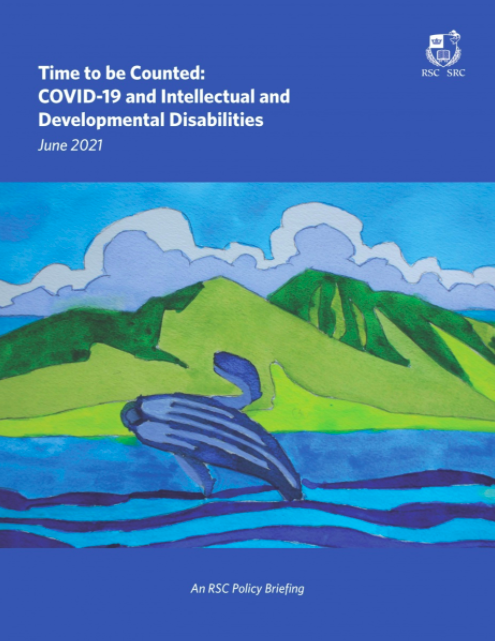
CHILD-BRIGHT Members Join Royal Society of Canada to Publish a Policy Brief on the Impact of COVID-19 to Individuals with Intellectual and Developmental Disabilities

Français

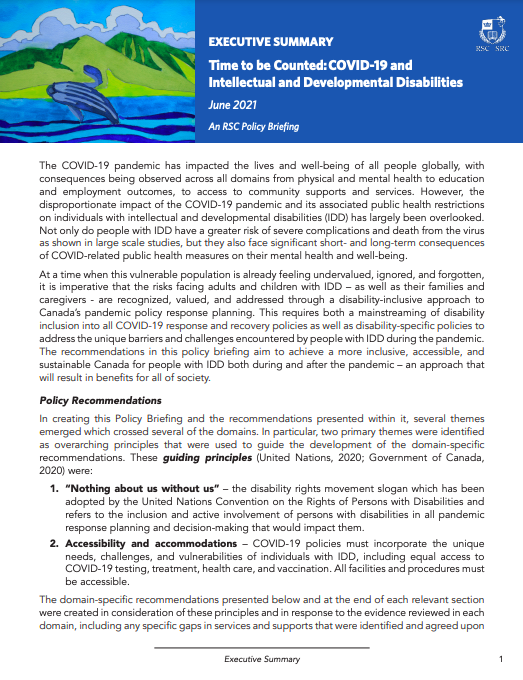
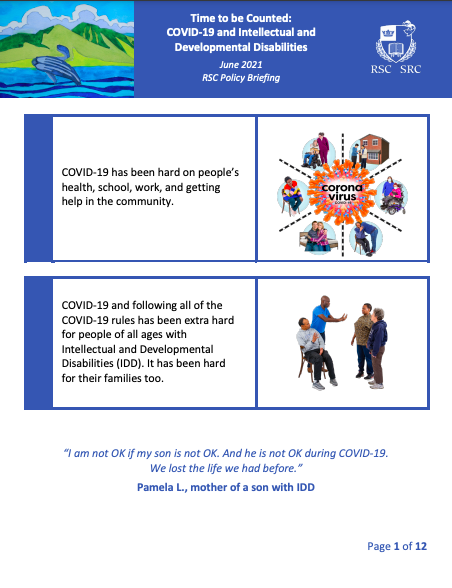
The COVID-19 pandemic and its associated public health restrictions have had a disproportionate impact on the lives of individuals with intellectual and developmental disabilities (IDD). Not only do people with IDD have a greater risk of severe complications and death from the virus, as shown in large-scale studies, but they also face significant short- and long-term consequences of COVID-related public health measures on their mental health and well-being.

To provide evidence-informed perspectives on the impact of COVID-19 to people with IDD, several CHILD-BRIGHT members joined a Royal Society of Canada RSC Task Force on COVID-19 working group. This group, composed of academics and patient representatives, consulted with a cross-representation of stakeholders from across Canada such as youth with brain-based developmental disabilities, self-advocates, and caregivers, to put forward recommendations. These recommendations are intended to support policy makers with evidence to inform their decisions. The findings are consolidated in a report titled Time to be Counted: COVID-19 and Intellectual and Developmental Disabilities, now available for download in English below, and in French.  

Read the full report
Read the executive summary
Read the lay summary

CHILD-BRIGHT members involved in this task force included:

To gather the perspectives and recommendations of youth and young adults with lived experience with a brain-based developmental disability, the working group consulted CHILD-BRIGHT’s National Youth Advisory Panel members. Meet these members here:

“People with intellectual and developmental disorders have been further marginalized during the COVID-19 pandemic," said CHILD-BRIGHT members and co-chairs of the working group, Dr. Patrick McGrath and Dr. Annette Majnemer. "This report points toward a better, more inclusive Canada. It is time for Canada to rise up, in ways that count." 

Consult the report and recommendations, including the complete list of authors and collaborators here

Dreaming Together of the Future of Patient-Oriented Research at the 2021 CHILD-BRIGHT Virtual Symposium

Français

On Wednesday, May 26, health professionals, researchers, research staff, patient-partners, parent-partners, and family members came together for our 2021 CHILD-BRIGHT Virtual Symposium. A total of 192 participants from these different stakeholder groups attended our online event to explore the future of patient-oriented research (and brainstorm solutions to patient engagement issues) in the field of brain-based disability in children.

Nine CHILD-BRIGHT research teams kicked off the event with video updates to share  their accomplishments and hopes for their research moving forward.

Watch a recording of these project updates, along with the Q&A periods:

Following this lively session, participants were invited to “drop in” to virtual poster sessions organized along five major themes: Community-Engaged Research & Partnership, Clinical Research & Supports, Knowledge Translation & Exchange, Training & Capacity-Building, and COVID-19: Research & Virtual Care.

View the virtual posters and abstracts here

Participants also provided their perspectives in two brainstorming sessions throughout the day, offering input on two patient engagement issues:

  1. How to make consent and assent forms in child health research appropriate to an inclusive audience, and

  2. Strategies that the child health community can employ to better advocate for additional funding opportunities that will secure brighter futures.

Thank you to everyone who attended for the enriching and fruitful discussions. Stay tuned to hear more about the results of one of our brainstorming sessions in the coming weeks!

Want to make sure you’re in the loop for future CHILD-BRIGHT virtual events? Follow us on Twitter and Facebook and stay up-to-date on all our news and events!