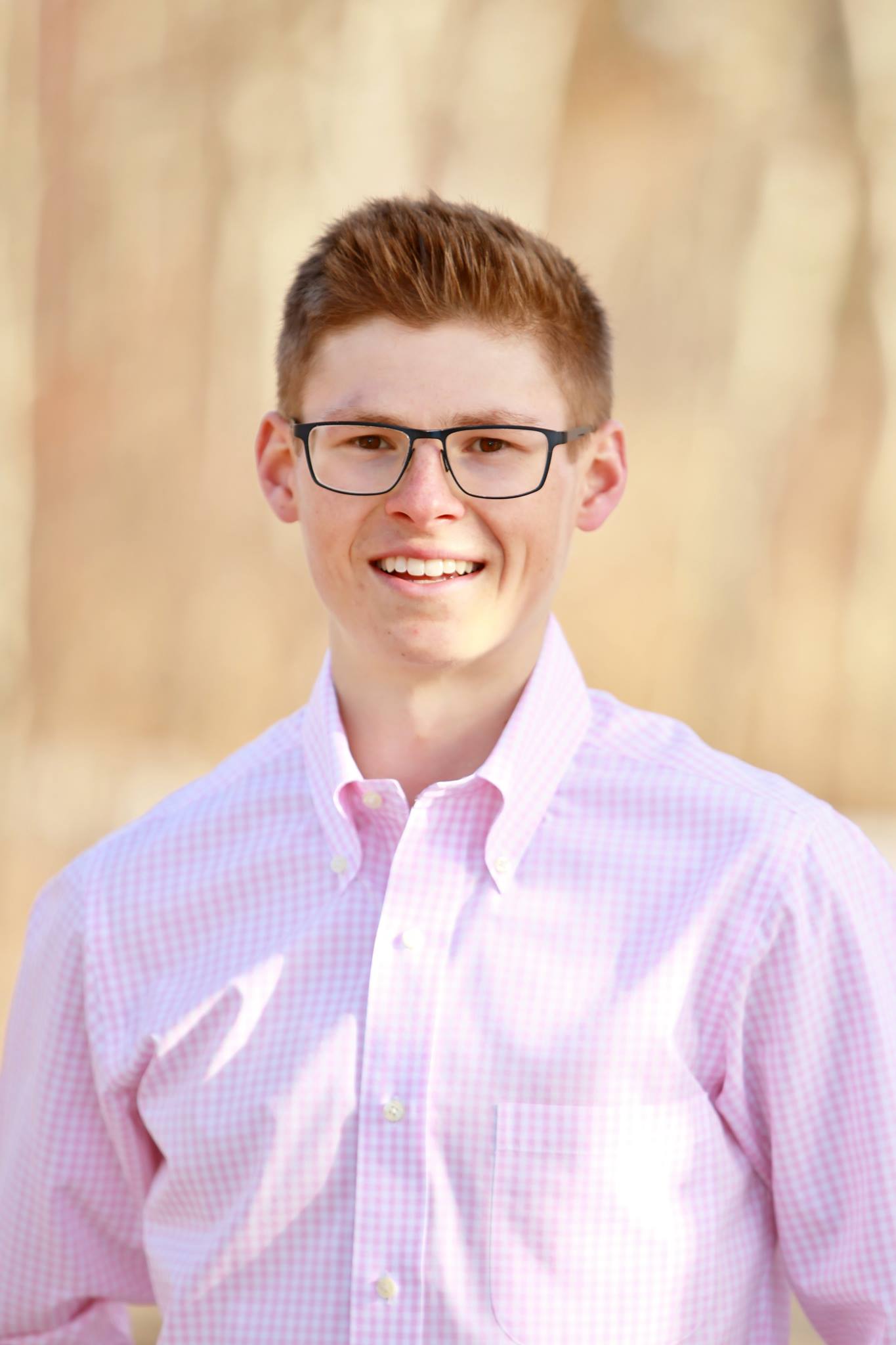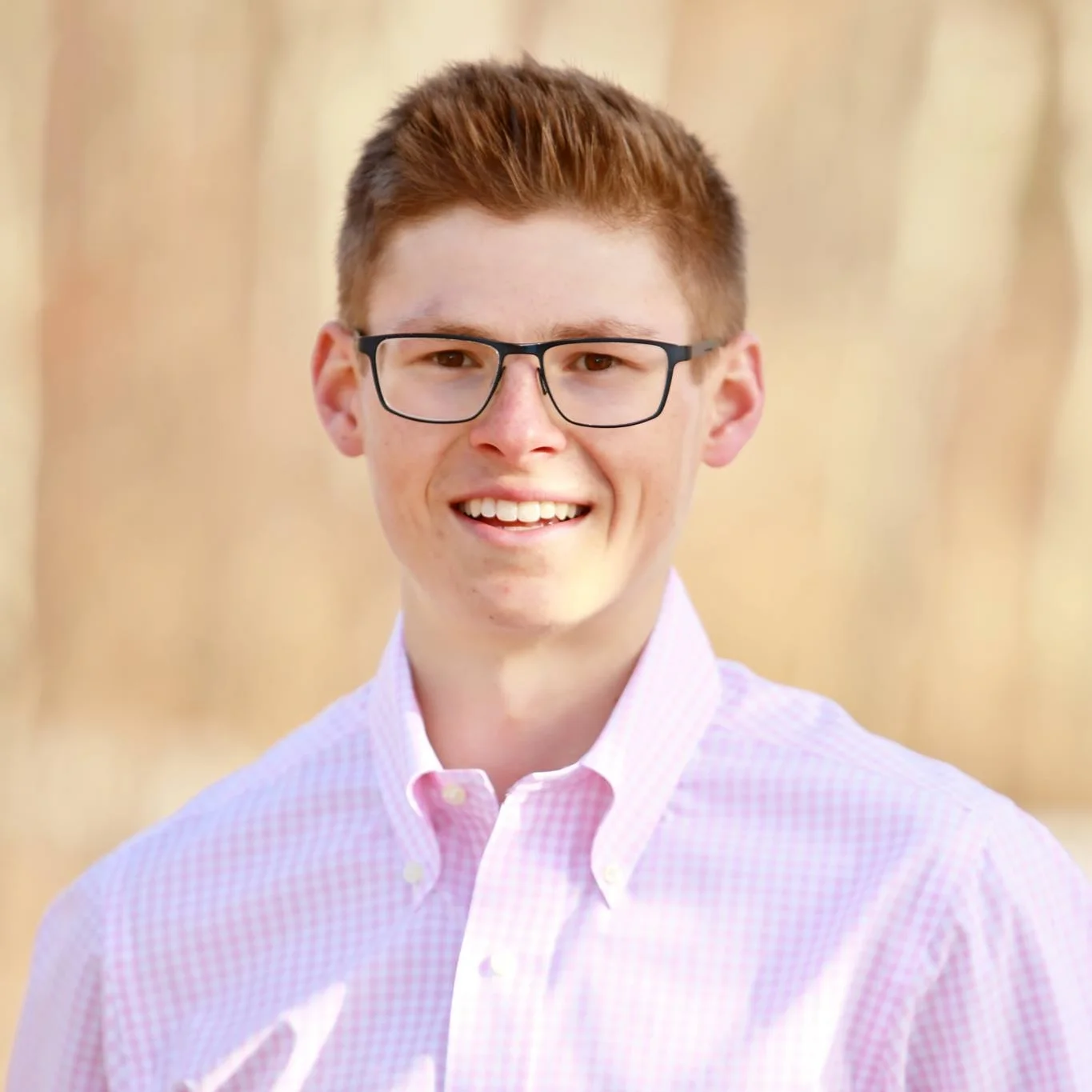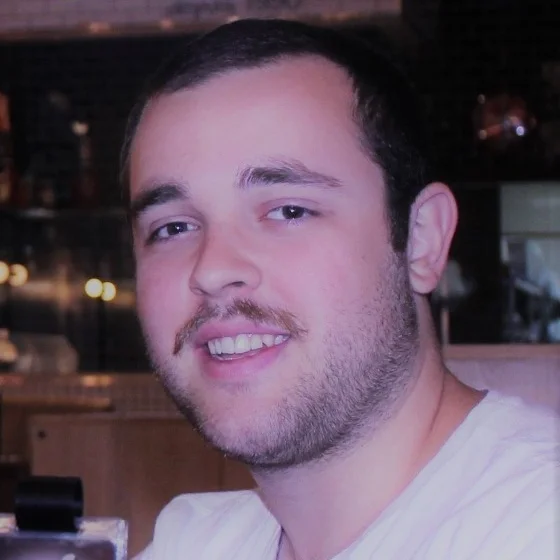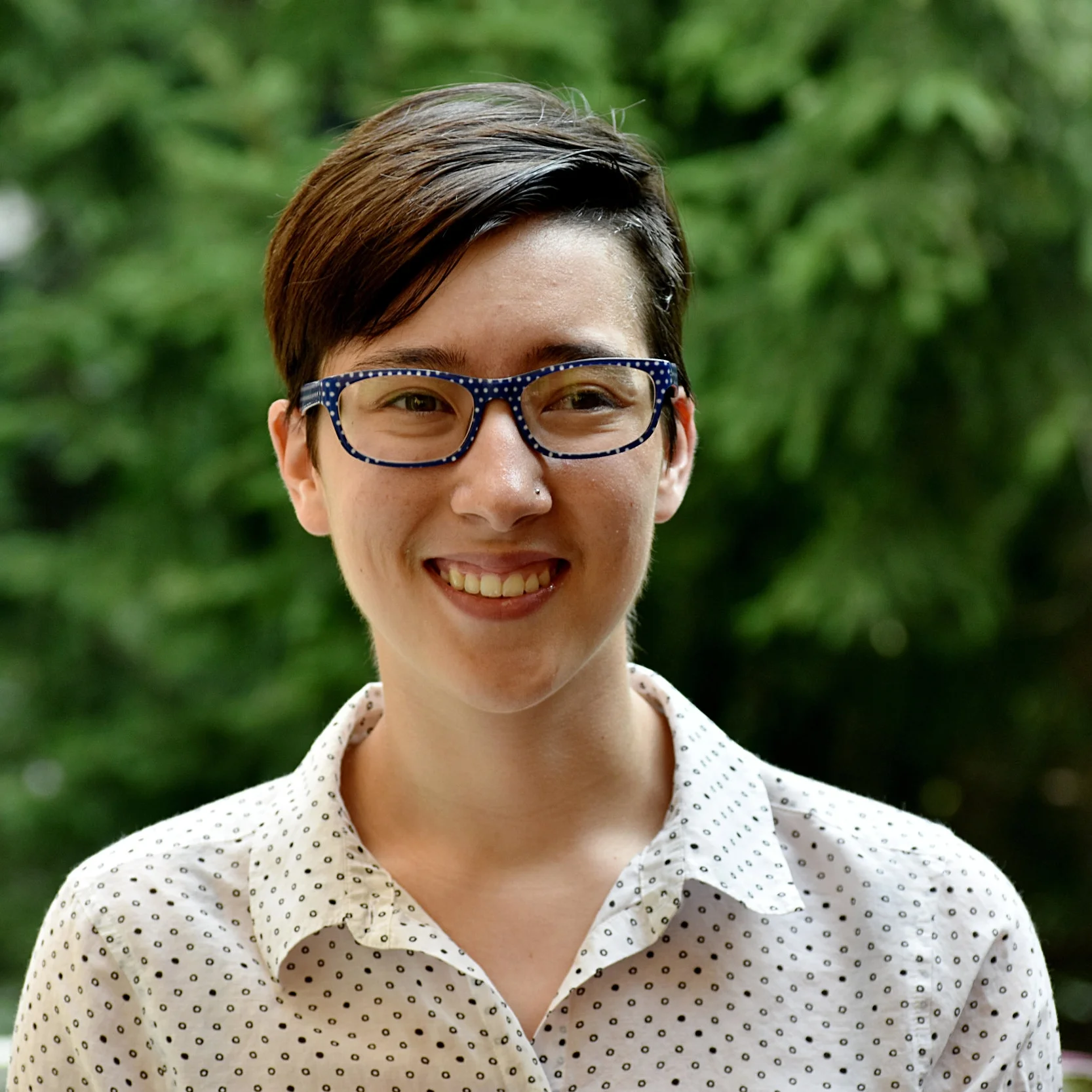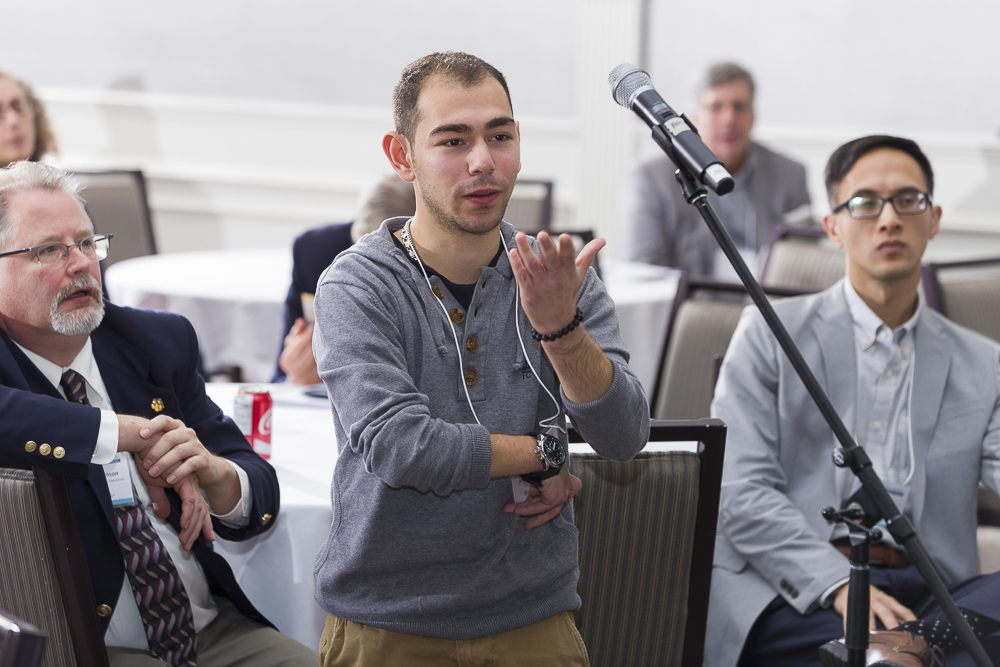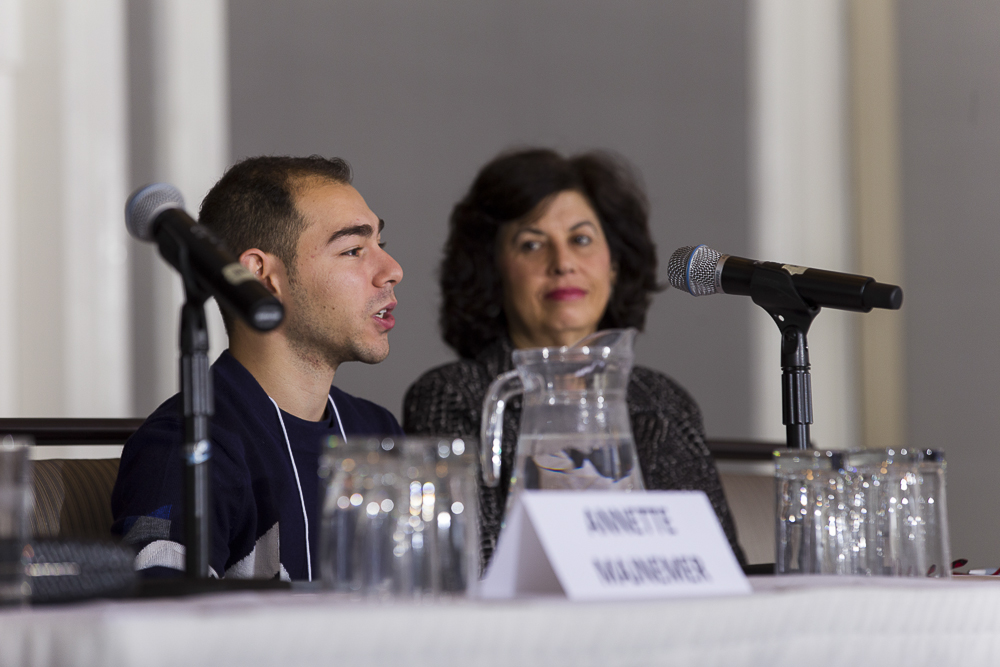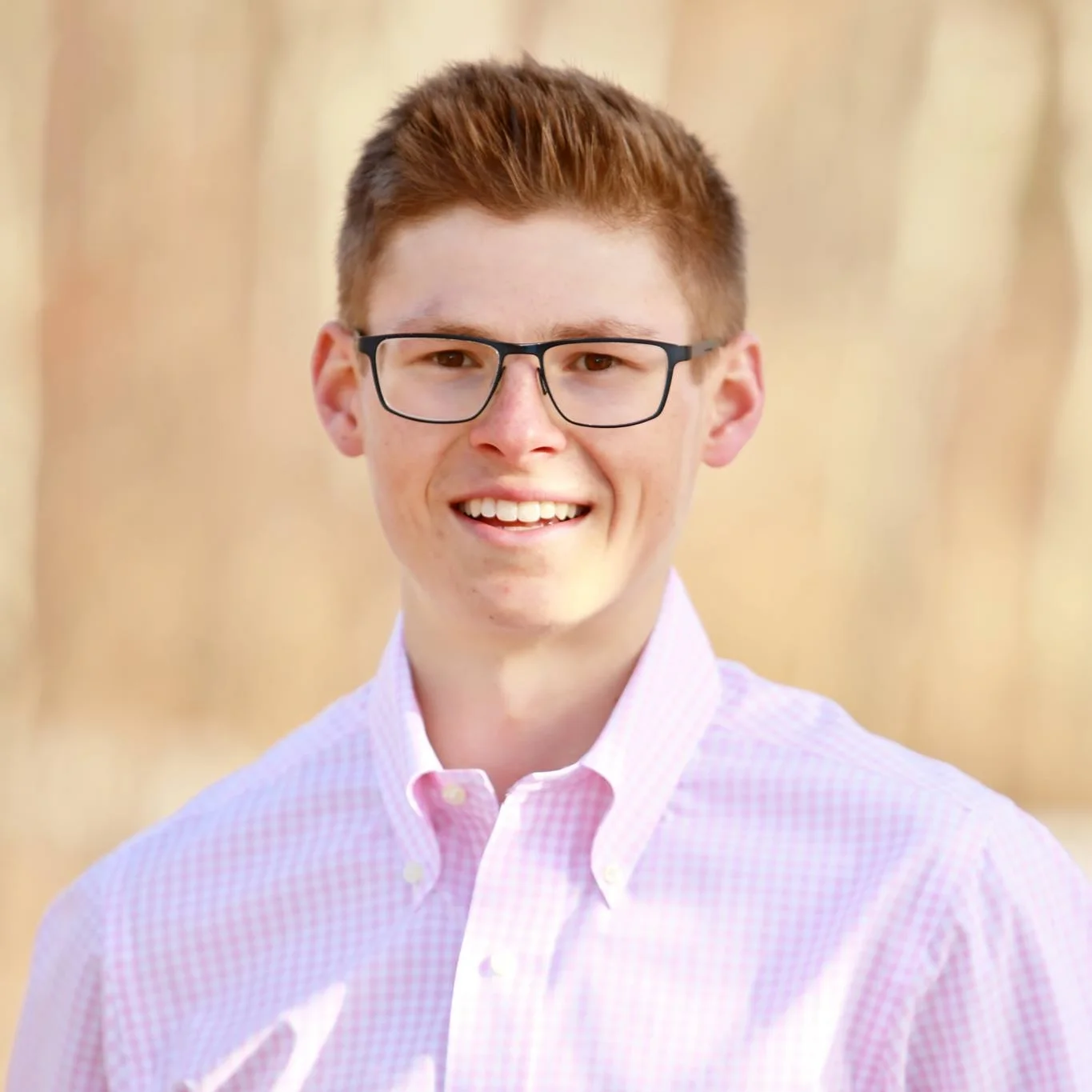

Meet Mike Sametz, National Youth Advisory Panel Member

Français

We are thrilled to introduce the members of our new National Youth Advisory Panel. To read more about this new panel, and its mandate, click here.

Mike Sametz

Line.png

What are you studying and/or what are your professional ambitions?

I am currently a business student at the University of Calgary with the intention of majoring in accounting.


What are your passions, interests, and hobbies?

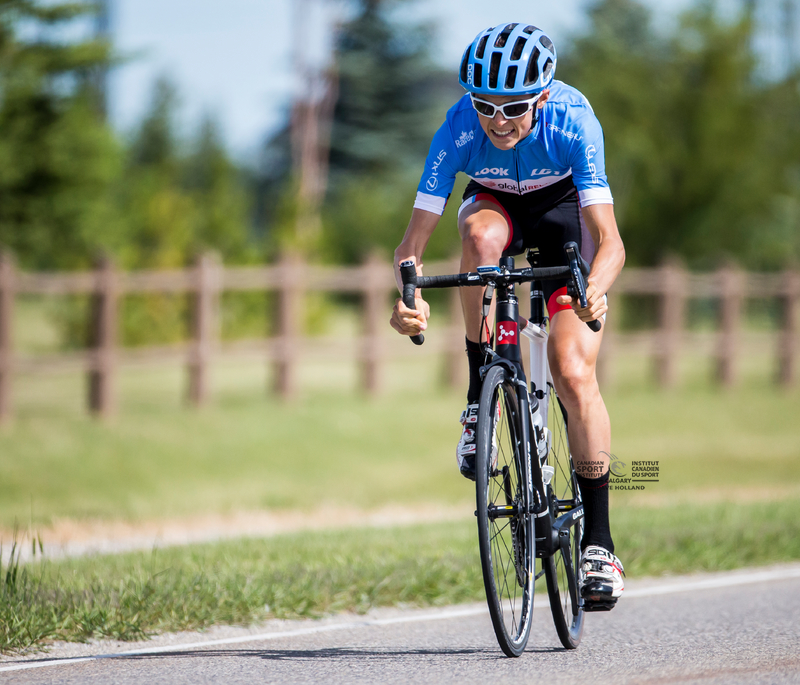
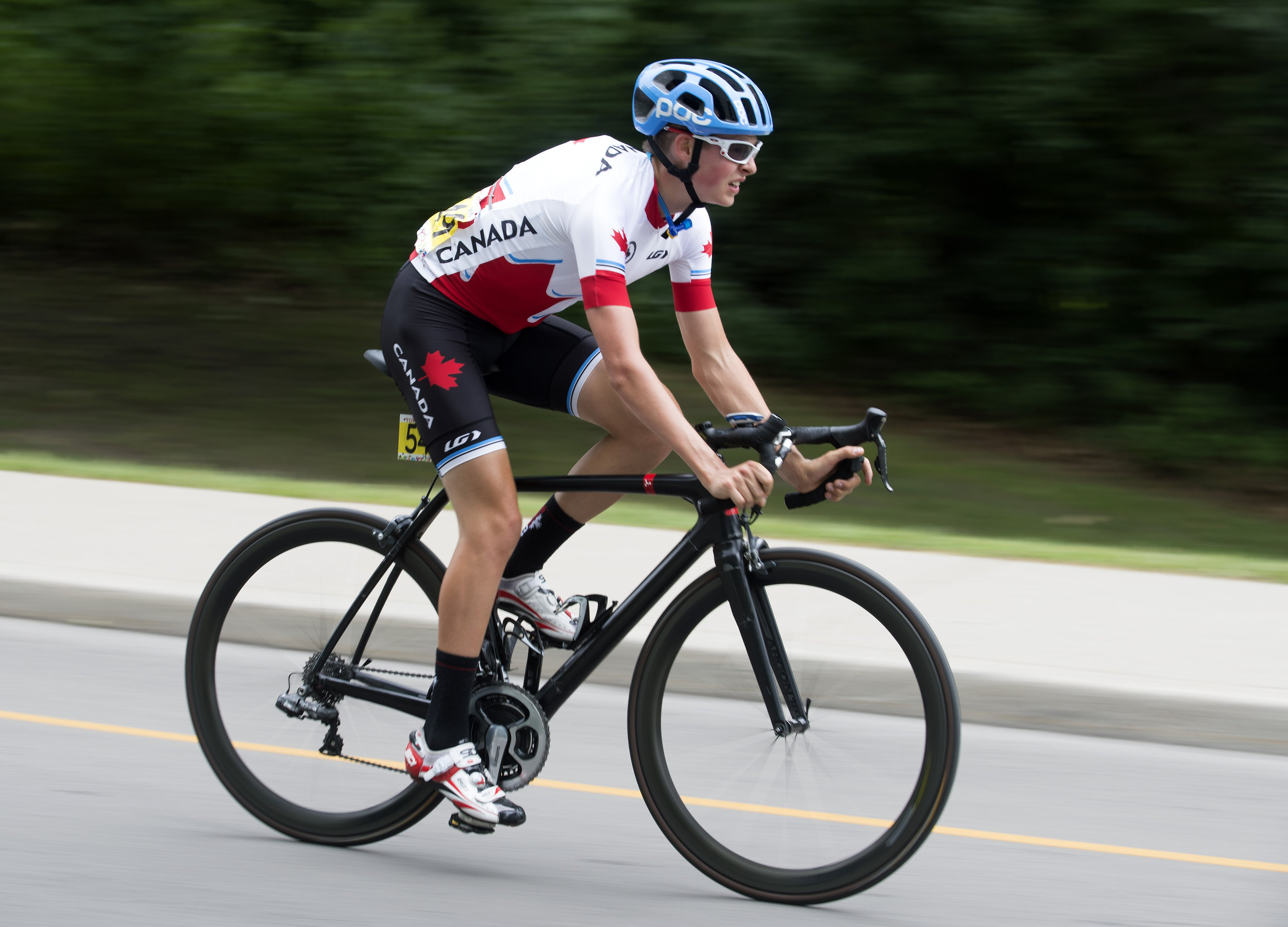
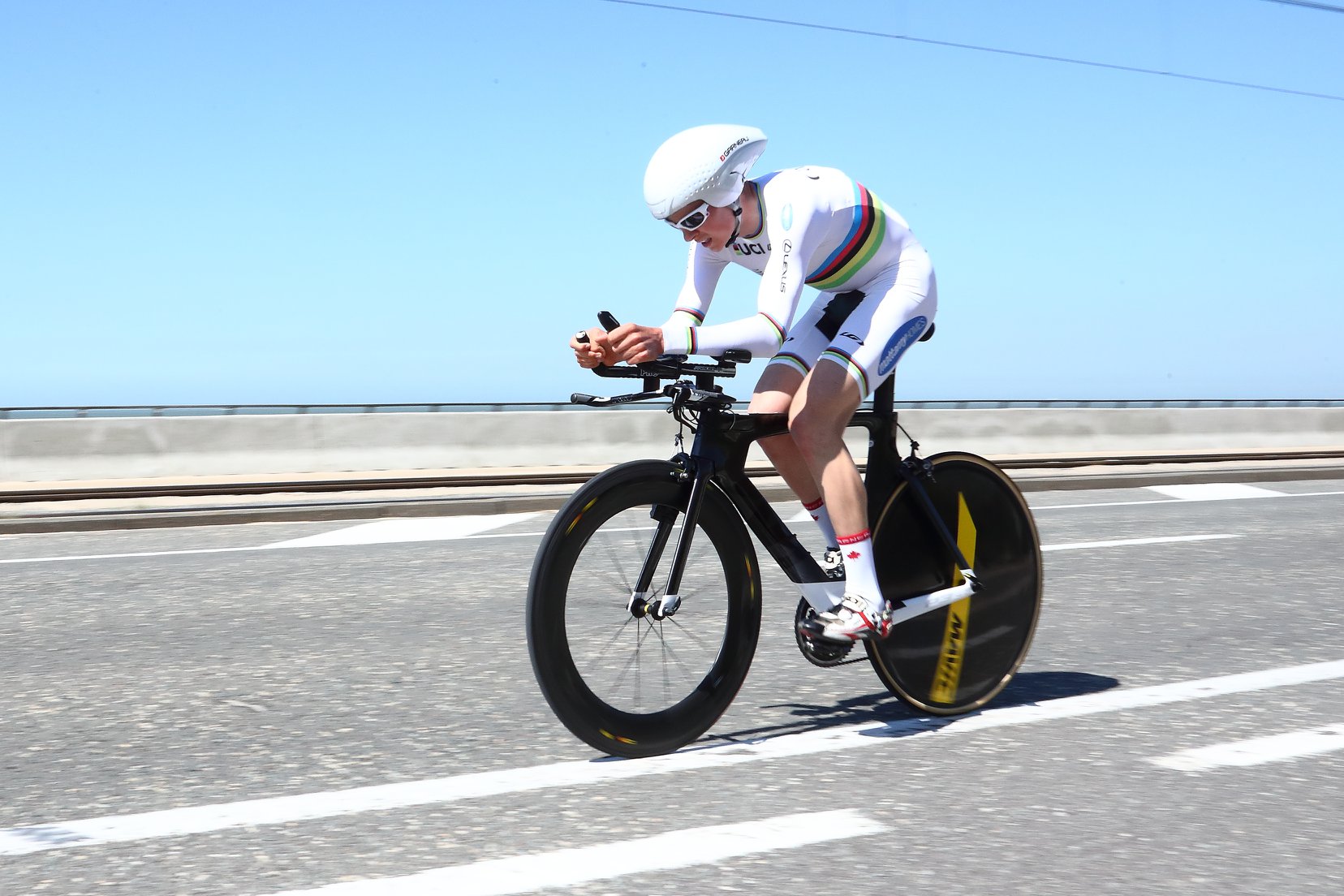
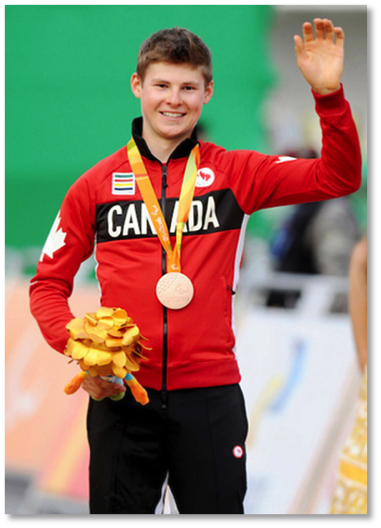
I am a competitive road and track cyclist on the Para-Cycling National Team. I have raced with the team since 2014. I began cycling at age 12 when I was looking to try a new sport. I started competing in the sport when I was 14. Cycling has made me learn to adapt and overcome my CP weakness because it is sport that requires my affected side to be successful.

My most notable accomplishments since competing internationally in para-cycling include racing at the Rio Paralympics and winning a bronze medal in the Time Trial event. I also won the Time Trial event at the World Championships in 2017.


Can you tell us about your experience with brain-based developmental disabilities?

I was born with right hemiplegic cerebral palsy.  I have always had a determination to excel at any activities or challenges I may face and stay competitive with my able-bodied peers. I have learned to be patient and persevere through challenges that are physically demanding or socially awkward (such as handshaking). I strive to be independent and continuously improve on my CP functionality.


Why did you want to get involved with CHILD-BRIGHT?

I participated in Dr. Adam Kirton’s PLASTIC CHAMPS study and like to stay connected with what is happening in the community.  I wanted to get involved with CHILD-BRIGHT as it allows me to share my experiences with CP and the challenges I have faced. I hope to help current kids with CP overcome their fears or challenges. Organizations like CHILD-BRIGHT were instrumental in my growth and maturity as a child and adolescent.


What are your hopes for the National Youth Advisory Panel?

I was lucky enough to participate in a study that had a profound impact on my self-confidence and identity. My hopes for the NYAP is to ensure research studies that are being put forward will have a positive influence on the patient. The research should also have a focus on improving a patient’s quality of life.

Line.png

Meet the other youth advisory panel members:
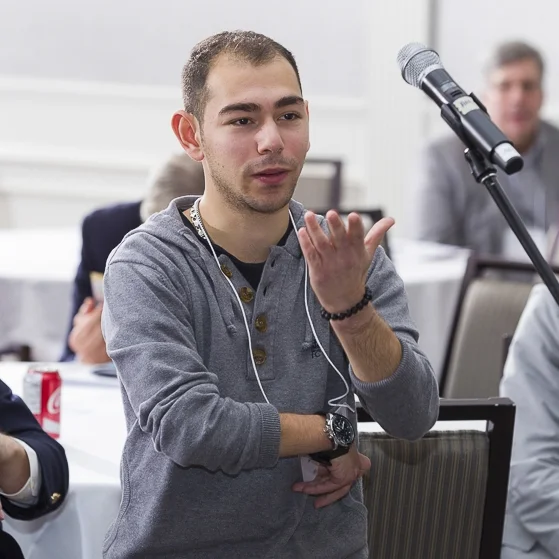
MATHIAS
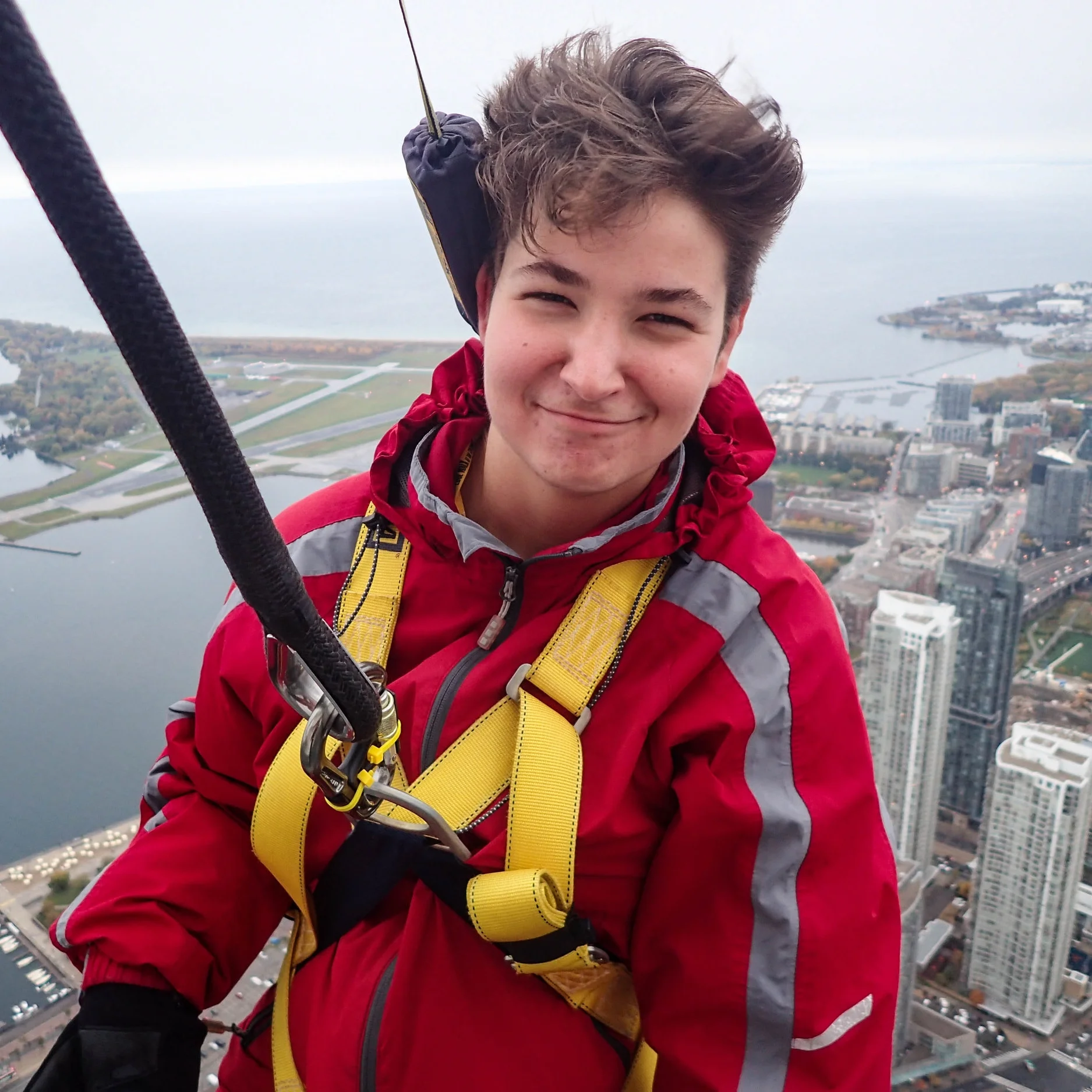
MAYA
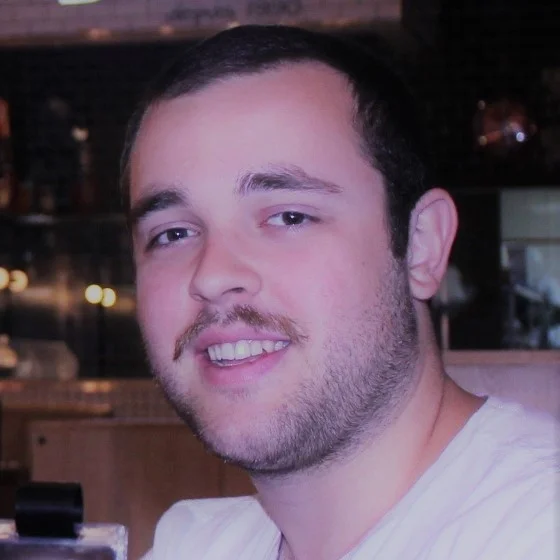
HANS
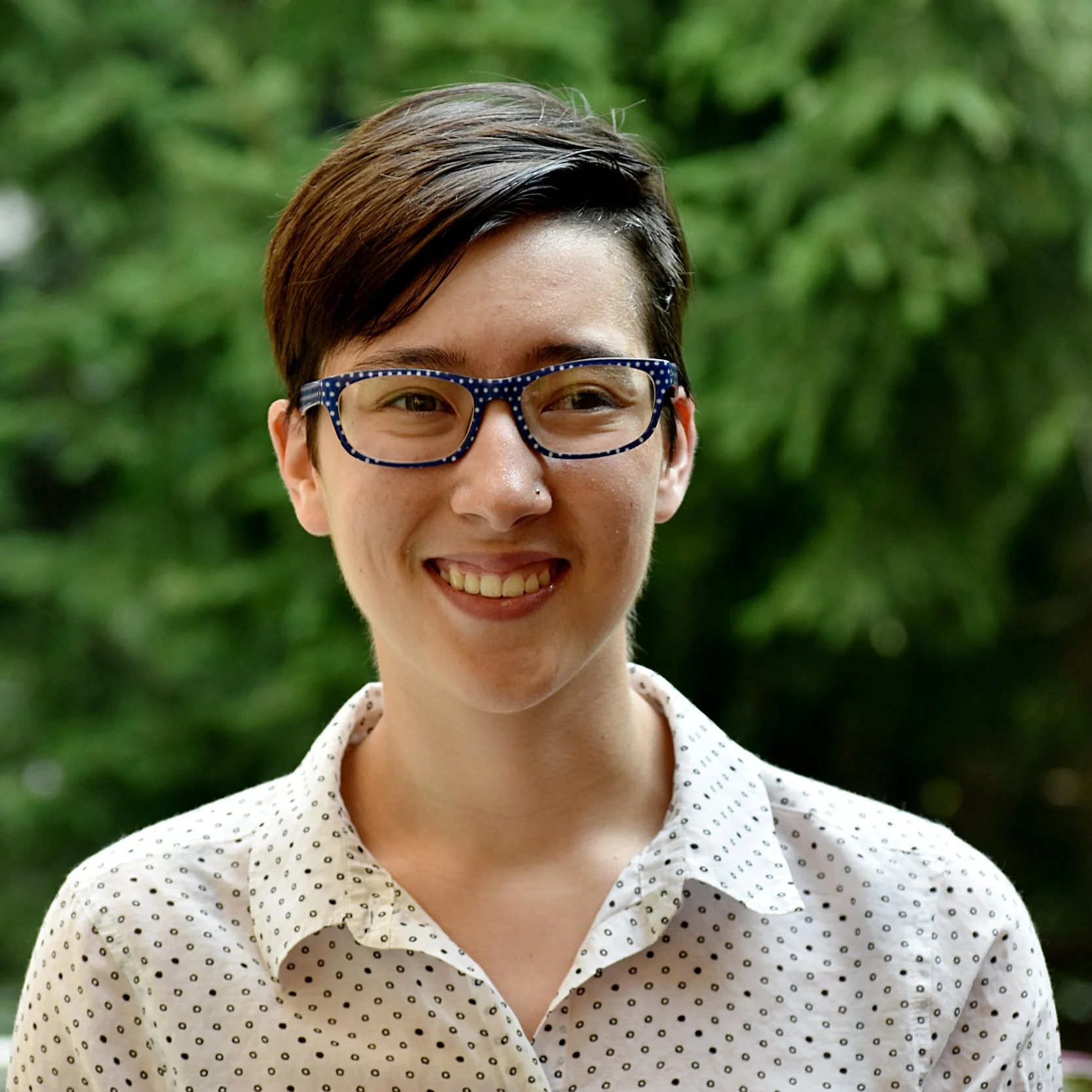
unnamed.jpg

LOGAN

Read about our first in-person gathering and training session here.

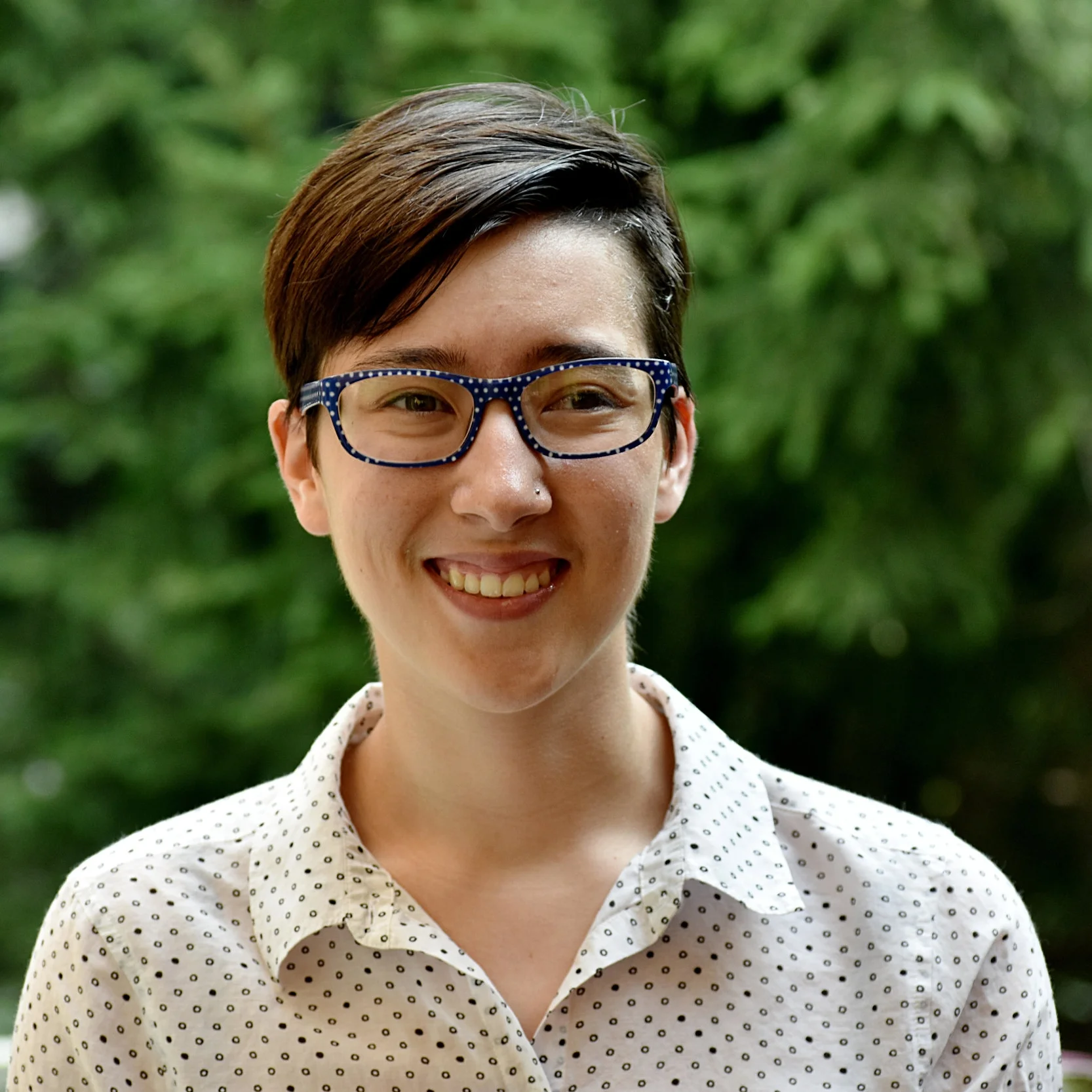
Meet Maya Pajevic, National Youth Advisory Panel Member

Français

We are thrilled to introduce the members of our new National Youth Advisory Panel. To read more about this new panel, and its mandate, click here.

Maya Pajevic, 22

Line.png

What are you studying and/or what are your professional ambitions?

I recently started my university degree at Mount Royal University in Calgary, Alberta, doing a Bachelor of Arts in Sociology, as well as a double minor in Social Innovation and Innovation and Entrepreneurship.

As well as being a student, I am currently a member of the Design Lab within the Alberta Health Services, helping to ensure the user voice/perspective is present and that health care and the system works for the users—using design-thinking principles! I do this by helping co-facilitate workshops, doing public speaking engagements, and sharing my dream of what health care should look and feel like. I would call myself a rebel—questioning the status quo, wanting exceptional patient experiences, and pushing the health care system to think ‘patient first’ not ‘provider/bureaucracy first’.

My professional and personal interest and goal is that health care doesn’t become structured for every patient, instead that every patient has a health care system that is structured around their needs and wants. And that patients are seen and valued as the most important stakeholder in all health care interactions, and that patient advisors are used more effectively than just a committee-style approach. I also hope that patients don’t accept the system—that they ask ‘why’ and ‘why not’ and always question the status quo.


What are your passions, interests, and hobbies?

Beyond being a student and working, I enjoy traveling. I’ve been to Europe, Brazil and have traveled within Canada, to name a few. I also enjoy photography, especially taking pictures of nature and action shots. I consider myself to be a thrill seeker—doing activities such as skydiving, bungee jumping, and hand gliding. I also enjoy skiing, doing tandem biking with friends and finding the next great coffee shop!! Lattes, dogs and sleep are some of my life essentials!

Can you tell us about your experience with brain-based developmental disabilities?

I was a very happy kid—gifted naturally in sports—hoping and working to represent Canada on the Olympic stage in either skiing or ice hockey. But on August 17, 2002, at the age of six, I was diagnosed with Type 1 diabetes. That night I suffered a massive stroke. When doctors realized what happened, they told my parents not to hope for much. That if I did survive the next 24 hours—which would be a miracle in and of itself—I would be dependent on others for the rest of my life; never walking, talking, communicating, swallowing, chewing, and never functioning in an academic setting. And if that wasn’t enough, doctors also found two more blood clots in my heart that needed imminent attention, so I was airlifted from Calgary to Edmonton and also underwent open heart surgery to remove these potentially fatal clots.    

Now, almost 16 years later, the consequences of my medical scare include:

  • Being conscientious of the foods that I eat

  • Having about 10% sensation on my right side

  • Having no fine motor skills in my right arm

  • Having limited balance

  • Being a bit quiet—I like observing more than speaking

  • Being a bit slower to understand academic material

  • And my social skills are a bit impacted.
     

What are your hopes for the National Youth Advisory Panel?

I hope that the National Youth Advisory Panel can help shift research to become ‘best practice’ and then improve health care for those who need the services.  I also hope that we can show that youth can impact the health care system and can influence the way research is done and carried out—that this model of engaging and involving youth is a benchmark for those wishing to do the same in other sectors.

Line.png

Meet the other youth advisory panel members:

MATHIAS

MIKE

HANS

LOGAN

Read about our first in-person gathering and training session here.
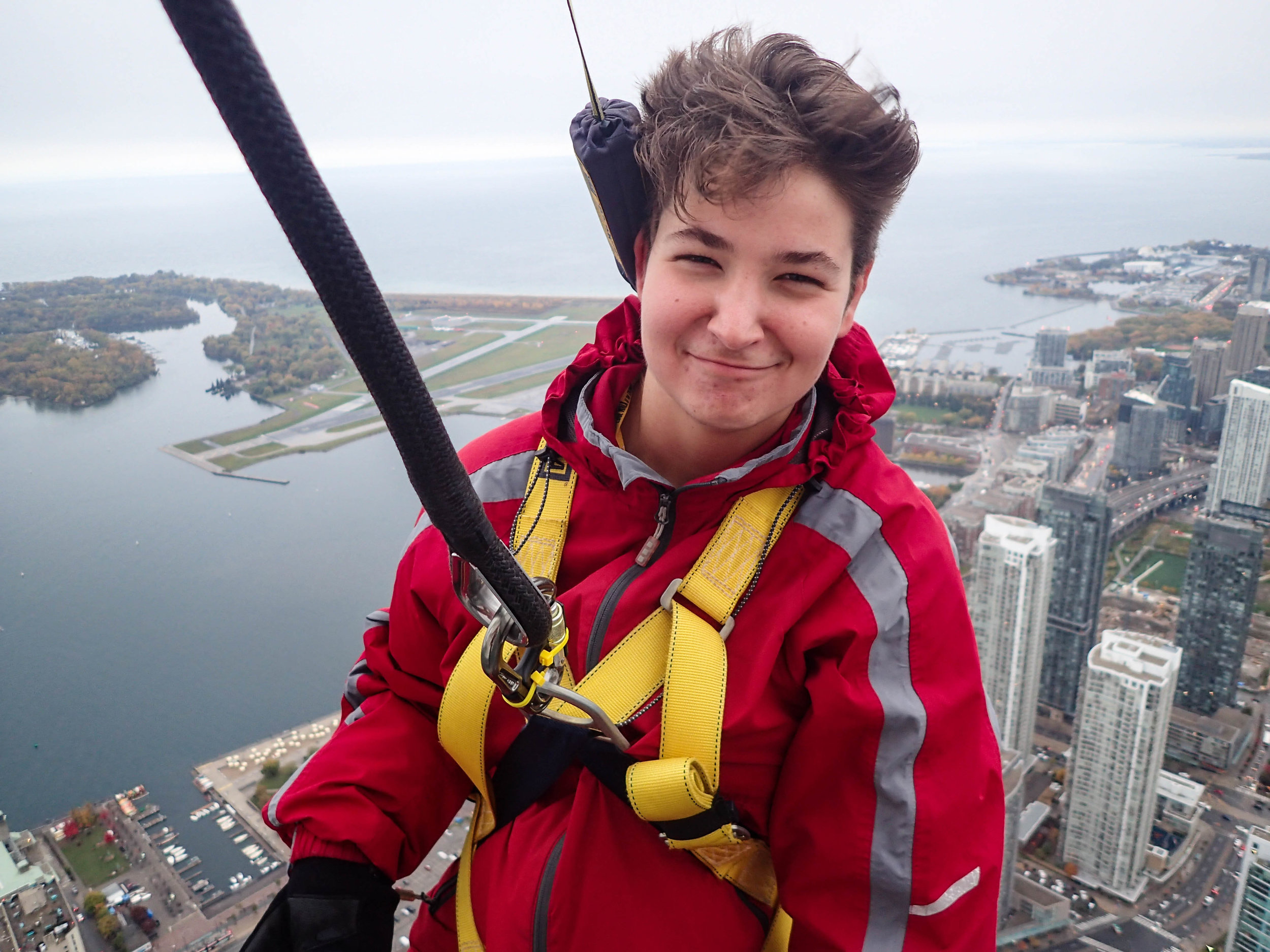
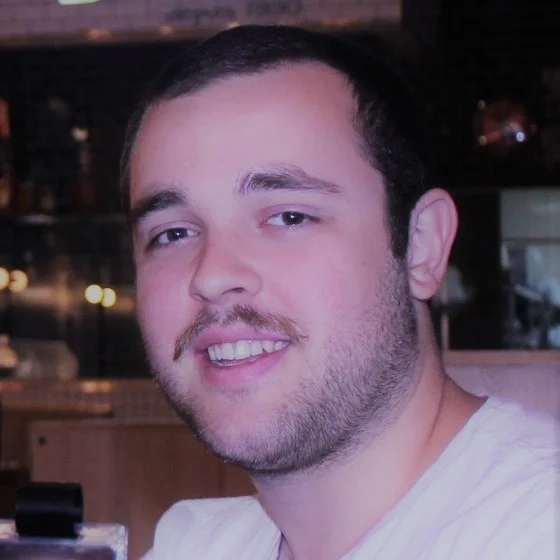
Meet Mathias Castaldo, National Youth Advisory Panel Member

Français

We are thrilled to introduce the members of our new National Youth Advisory Panel. To read more about this new panel, and its mandate, click here.

Mathias Castaldo, 23

Line.png

What are you studying and/or what are your professional ambitions?

I am a recent graduate of Ryerson University with a BA in Psychology. In September I will be starting a Master of Education in Developmental Psychology and Education at OISE (University of Toronto). I hope to one day be a teacher and perhaps a guidance counsellor, working with students with ‘disabilities’.


What are your passions, interests, and hobbies?

I enjoy hanging out and spending time with friends. I love reading, traveling and running.


Can you tell us about your experience with brain-based developmental disabilities?

I have cerebral palsy. It has made certain things difficult for me such as excelling in sports. 

I also have a learning disability.

However, I have always found the will to adapt and push myself further. Despite all, I have been able to be athletic and excel in school. I don’t allow my cerebral palsy to define who I am.


What are your hopes for the National Youth Advisory Panel?

I am hoping to learn how research will impact target populations. In addition, I am hoping that the panel will be able to comment on how best to improve the research conducted so that it will have a positive impact on the target population.

Line.png

Meet the other youth advisory panel members:

MAYA

MIKE

HANS

LOGAN

Read about our first in-person gathering and training session here.
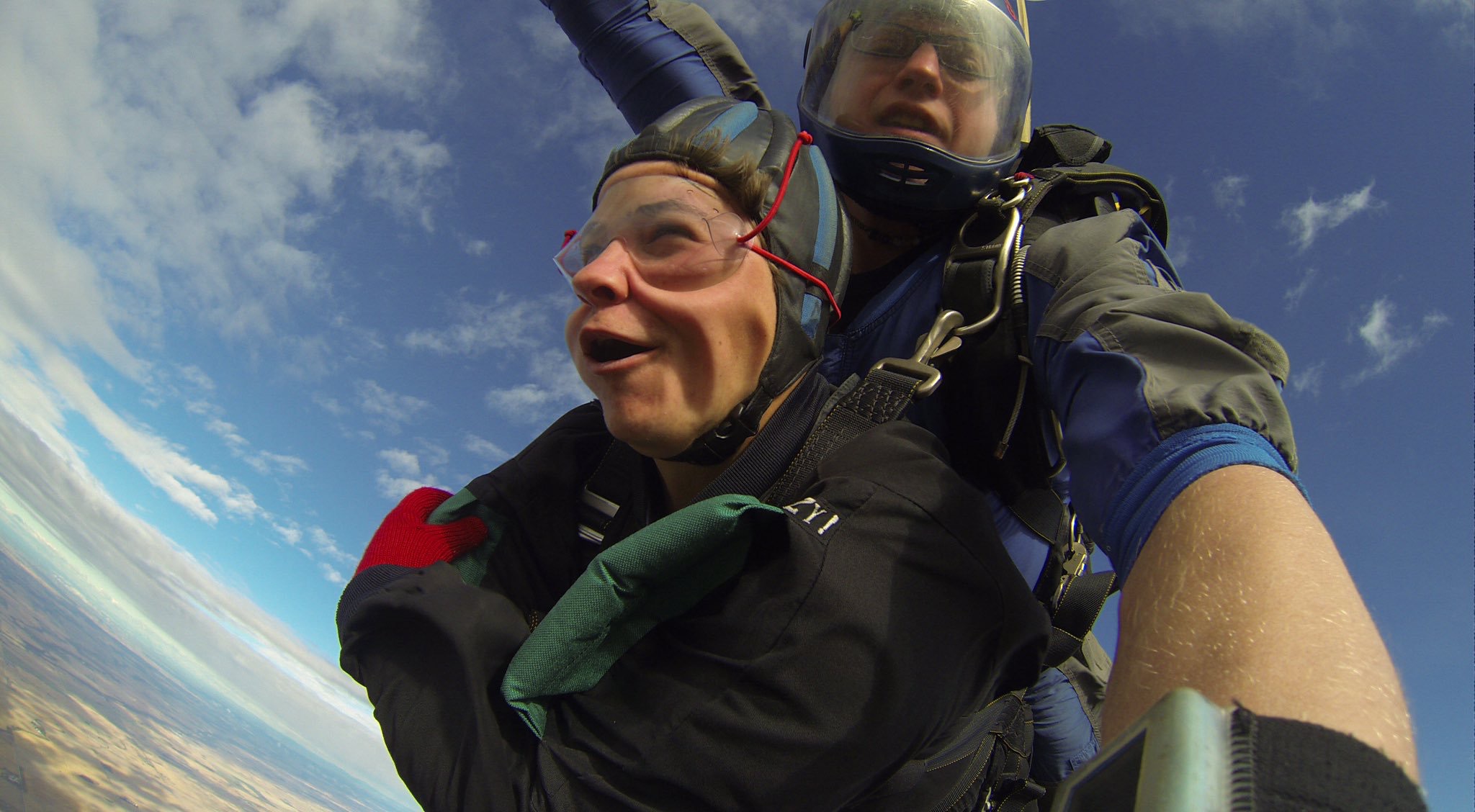
2017-18 Report to Community Now Available

Français

The CHILD-BRIGHT Network Report to Community for the fiscal year ending March 31, 2018 is now available. 

Download the PDF

A special thank you to our financial partners for their ongoing contributions and commitment, and to all the patients, families, committee members, and CHILD-BRIGHT supporters who guide us in our work.

Our Report to Community is also available in French

My family’s adventure to the United Nations to share our view on rights-based approaches to disability in Canada

Français

By Susan Cosgrove

When my son Liam was three years old he couldn’t carry a conversation, exist in a crowd without getting overwhelmed, or interact with new people without panic. So much of my time and energy was consumed with accepting the things he could not do that I just couldn’t imagine that we would welcome his 15th birthday together, celebrating the biggest accomplishment of his life.

Attending the Civil Society Forum

Attending the Civil Society Forum

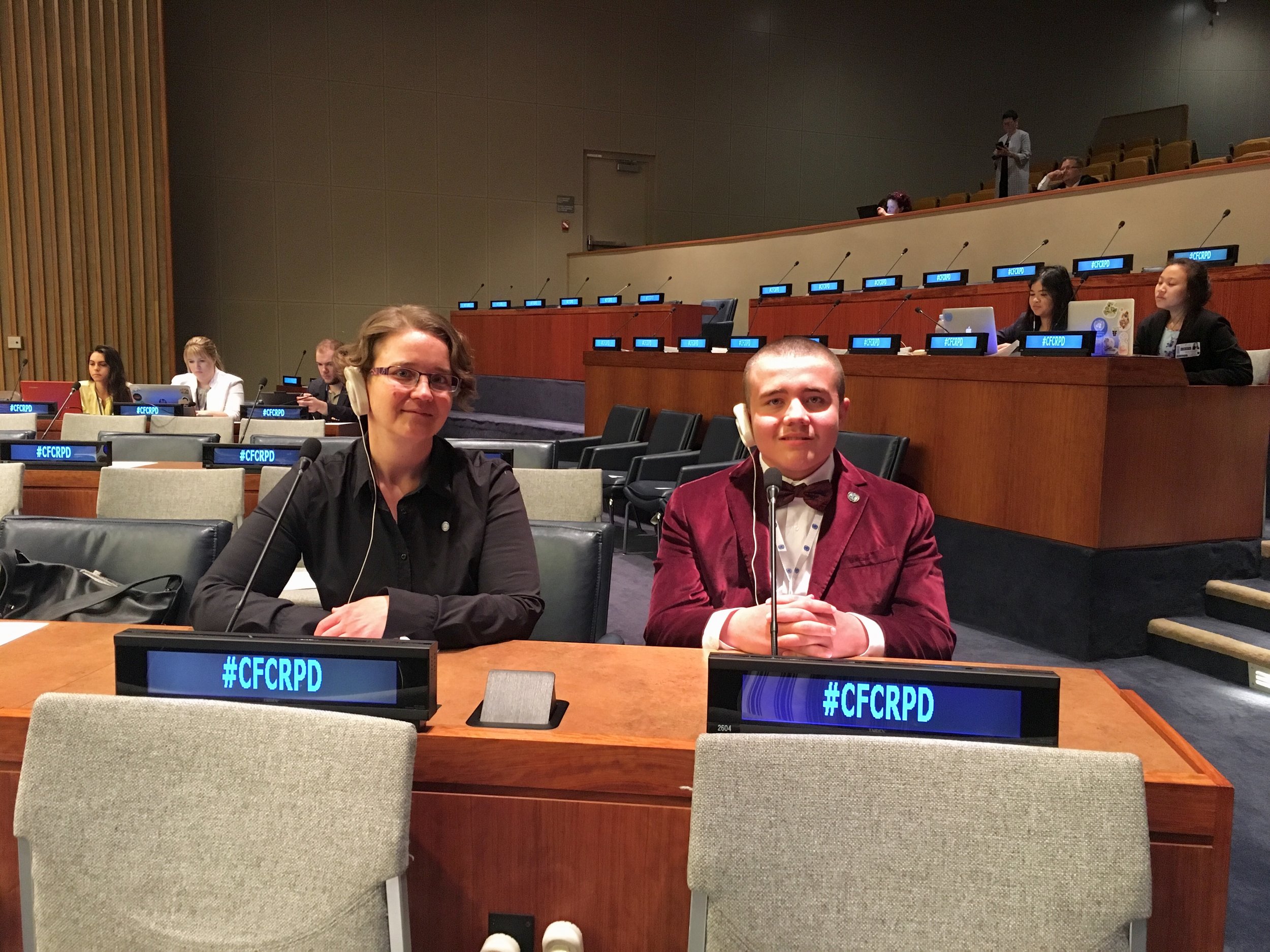
The United Nations Convention of the Rights of Persons with Disability (CRPD) is an international law that protects and promotes the rights of people with disability; made up of global guiding principles to ensure that people with disability can access the same rights and opportunities as their fellow citizens. One hundred and seventy-seven (177) countries have agreed to the convention – and Canada is one of them.

Two weeks ago, the 11th annual Conference of the States Parties to the Convention on the Rights of Persons with Disabilities took place at the United Nations Headquarters in New York City. Attended by both National governments and civil society organizations from around the globe, the goal of the event was to share knowledge about how people with disability are living with their rights in participating countries.

This brings us to my proudest experience as Liam’s mom. Over the past decade Liam has learned how to use his unique skills and interests to become an ambassador for children with disabilities. He has shared his thoughts with doctors, families, health care administrators, donors and policy makers in Toronto. When we were invited to participate together on a panel in New York City discussing rights-based approaches to disability in Canada, we did a happy little dance together.

Liam with Kirsty Duncan, Minister of Science and Minister of Sport and Persons with Disabilities

Liam with Kirsty Duncan, Minister of Science and Minister of Sport and Persons with Disabilities

As a team, Liam and I have a lot of experience to draw on. I have been engaged in research for years as an advisor, co-investigator and spokesperson. I recently began working for the CHILD-BRIGHT Network as their first Parent Mentor. As I begin this role I am focused on learning from the parents involved in the network about how they have engaged in the different projects and programs, and about their hopes for the future of research. I plan to build on these learnings to help connect and inform parents. And it is through this role that I had the opportunity to join the group attending this important landmark event.

Liam has come into his own thanks, in part, to the research world. He began as an enthusiastic participant who loved the activities and personalities of the researchers and health care providers he interacted with. We quickly discovered that he was a skilled ambassador who uses his unique charms to share his thoughts with policy makers and politicians. The opportunity to do so on such a grand scale – at the United Nations – was Liam’s dream come true.

For such a young person, Liam didn’t take the opportunity to influence global leaders lightly. He was there to show them what was possible for a young person when his rights were respected and enforced and to share his hopes for his adult life. He talked about his rights as a Canadian youth with disability and his hopes for the future. He dreams of one day being a mechanic, with a family and a home. He knows that he will require more assistance and support than his non-disabled peers for his entire life. He is willing to put in that extra effort and plans on using his future voting rights to encourage governments to match his efforts with their support. That was his message, that was his voice.

Liam takes Manhattan

Liam takes Manhattan

By being engaged in research in so many capacities over the years, I have learned a lot about the power of lived experiences. It’s as important to bring first-hand perspectives to every aspect of health care and policy development, as it is to bring them to research. Our personal stories keep goals in perspective and remind those in positions of influence why their decisions matter. It’s imperative for both families and professionals to understand the power of engagement. In the past, disability research and policy relied heavily on numbers, trends, reports and data, but lacked the human influence of those living with disability. But now people with disability and their families are becoming an essential part of the team and having direct influence on their own futures. And this is what we felt by being in this global forum. We joined other people with disabilities from all corners of the world: families, youth, adults, side by side with government officials and UN members to share our perspectives and discuss what we think and know is important.

Families may read this and think “Well, I’ve never been invited to the UN and I don’t like public speaking – so this isn’t something I can do.” But influence happens on many levels and from all types of people. It can be as simple as being informed and exercising your right to vote for a government that promotes the well-being of people of all abilities. It could be sharing information with other parents, your child’s school or people in your neighbourhood about the existence of the Convention of the Rights of Persons with Disability (CRPD). In reality, by raising children with disability who are informed of their rights and how to advocate for themselves, we are taking the first steps towards creating a more inclusive future for them.

Rachel Martens’ presentation

Rachel Martens’ presentation

At the UN we were part of a delegation that included scientists and policy makers, Liam and me, another youth delegate and another parent. Rachel Martens is a mom from Alberta who is raising a 12-year-old son with multiple disabilities. She works with the Kids Brain Health Network as a Parent Engagement Facilitator for the online group “Parents Partnering in Research”. In her writing on our experience Rachel asks an important question that relates back to a policy brief compiled by two of our team members: “What if the CRPD was the start to the conversation to ensure that Canadian children living with a disability get the best start in life?" 

Such was a question posed by Dr. Keiko Shikako-Thomas and Dr. Jonathan Lai in the research brief and research presentation they gave during the Canadian event at the UN conference. The event brought together a partnership between two pan-Canadian networks focused on brain-based disabilities: CHILD-BRIGHT Network and the Kids Brain Health Network to facilitate the opportunity to share this research work and more importantly: to bring the voices of parents and youth into this arena. I am thankful for having been provided an opportunity to be a part of the delegation that went to share what we are learning through research on the rights of children with disabilities, and through our everyday lived experiences in Canada. The Canadian event was hosted in partnership with the Government of Canada through the Canadian Minister of Disability and Sports and Science, and I was privileged to be able to share a glimpse into what life is like parenting my son with multiple disabilities and what I felt about his rights as a Canadian citizen.

Our Team (from left to right: Rachel Martens, Nikolas Harris, Kirsty Duncan, Keiko Shikako-Thomas, Susan Cosgrove, Liam Cosgrove, Jonathan Lai)

Our Team (from left to right: Rachel Martens, Nikolas Harris, Kirsty Duncan, Keiko Shikako-Thomas, Susan Cosgrove, Liam Cosgrove, Jonathan Lai)

I was grateful to get to know and work with Rachel. Her son’s challenges are so different from Liam’s, yet we found we shared a sense of sisterhood – an almost automatic understanding of the unique challenges that come with raising special families – no matter how they present. This comes to show the power of connecting with others, sharing experiences, and learning from each other – a lesson I wish to share with other parents in my Parent Mentor role at CHILD-BRIGHT. While we were there, Liam naturally turned to her as another mom figure and sought her out when he felt unsure. This is a tiny example of the power of unity in our special community. I felt comfortable sharing with her the intimate details of Liam’s care and she felt comfortable stepping in as needed. Through our relationships with other families living with disability we create a stronger whole, a louder voice. When parents like Rachel and me have the opportunity to speak for our community, we can feel the power of Canadian families and are humbled to be their representatives. I want to finish with a thank you to those families:

To all those parents – just like me – up at 4am and then spending the day wondering if the school will call, I am so grateful to you for all that you do and your infinite strength. Together we will change our city, our country, and our world!

To learn more about getting involved at CHILD-BRIGHT, visit our Get Involved section.