
Collaborating to Find an Accessible and Welcoming Venue for Youth

Français

In preparation for an upcoming meeting where we plan to gather some of our network members, including youth with brain-based developmental disabilities, we recently set out to book a venue. Knowing that we wanted our venue to be accessible, comfortable and work-conducive for all guests, including our younger members, we invited Avi Karp, a 19-year-old student and entrepreneur with personal knowledge about accessibility, to help us evaluate our leading venue.
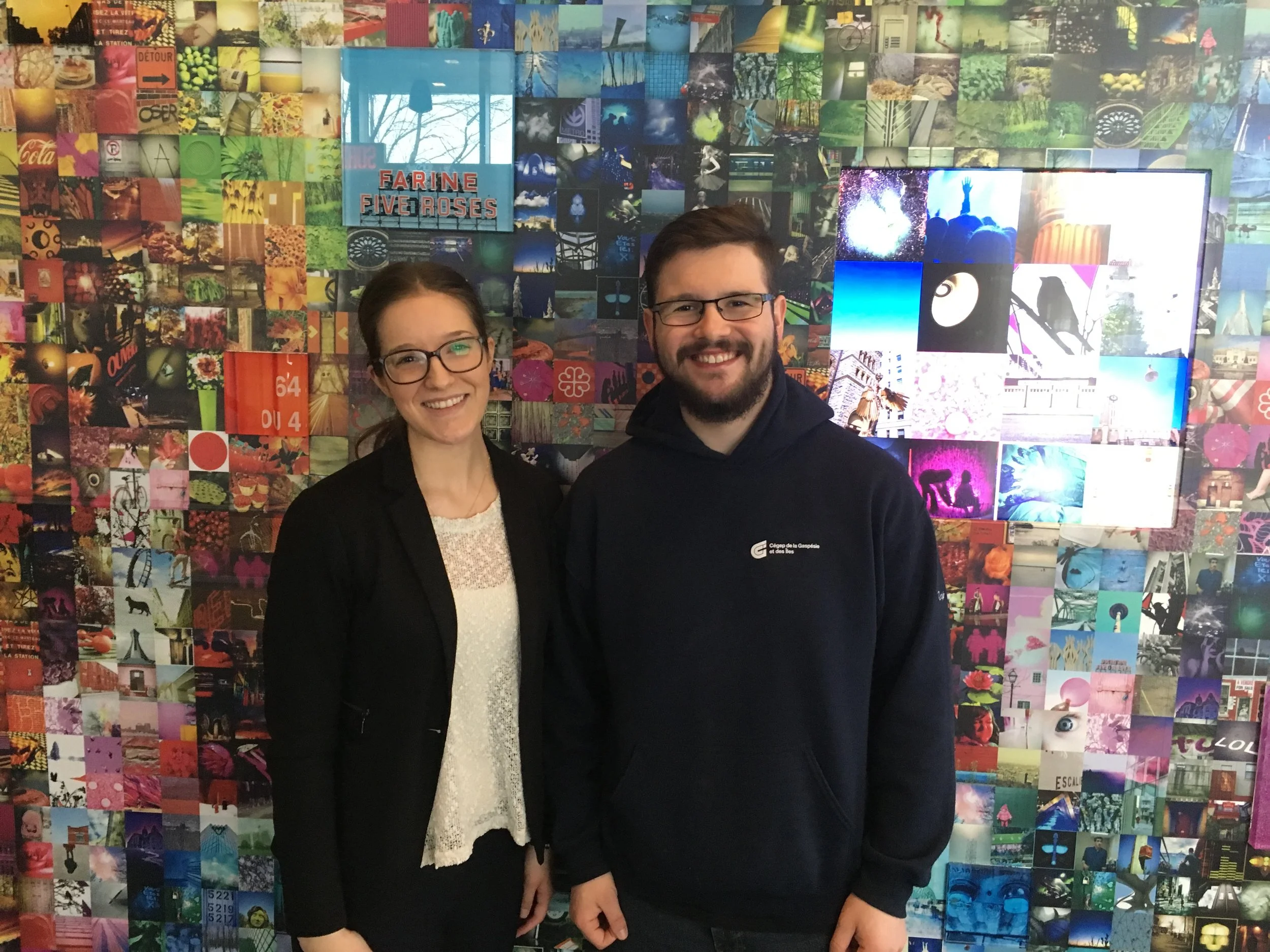
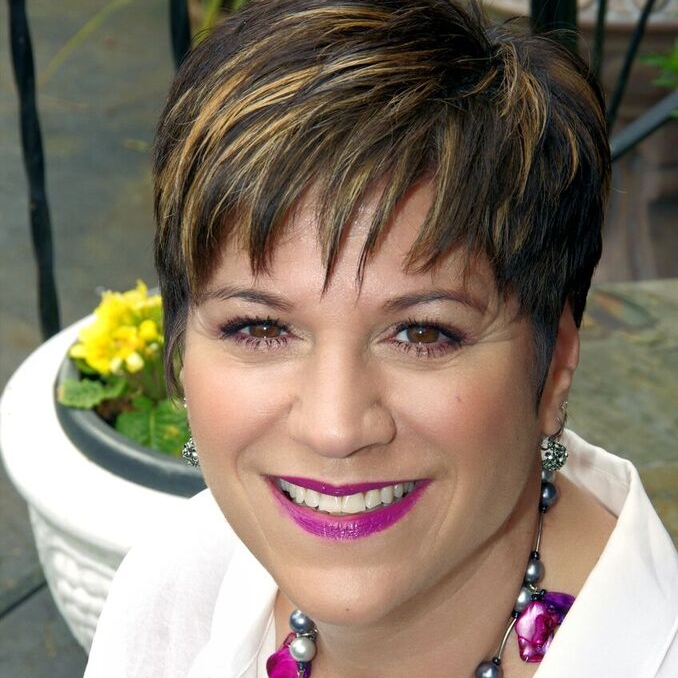
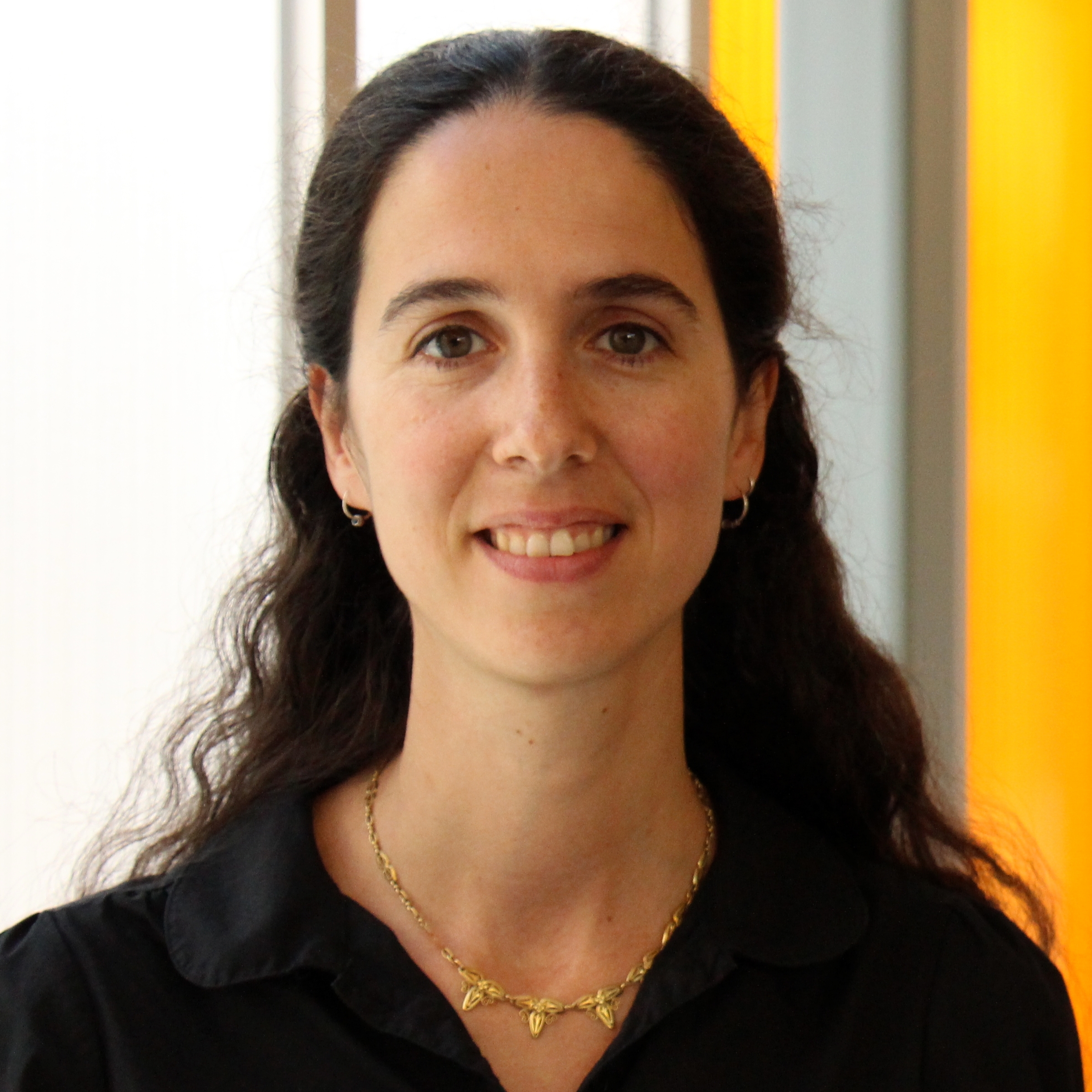
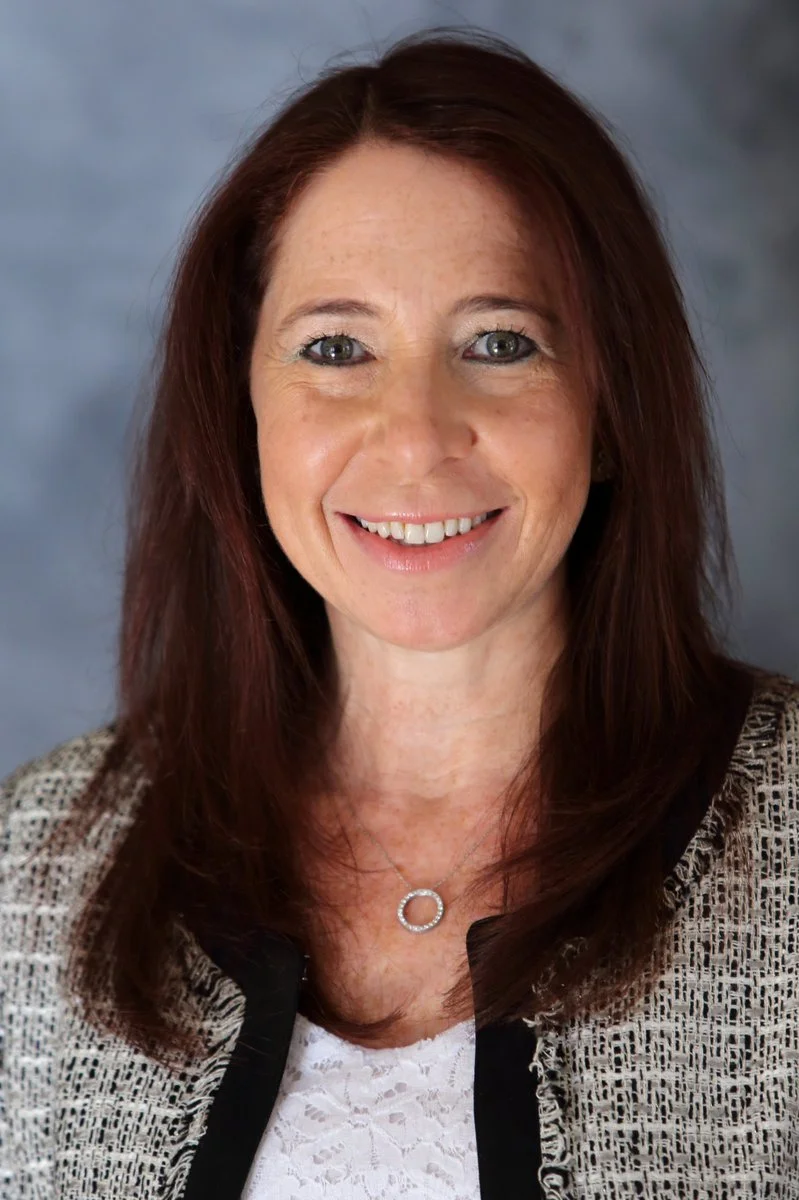
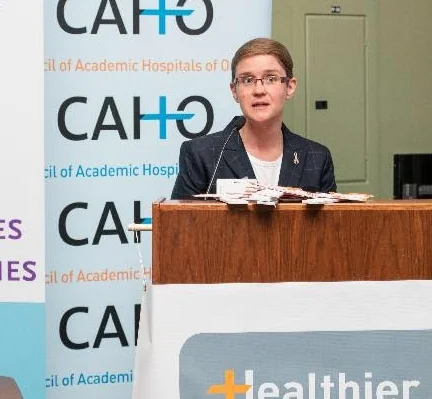
Corina d’Alesio-Worth (left) & Avi Karp (right)

Corina d’Alesio-Worth (left) & Avi Karp (right)

"I have been living with Multiple Sclerosis (MS) since I was 12 years old and my MS has affected my mobility at times in the past,” says Avi. “When CHILD-BRIGHT asked me to help them select a good venue for others with similar issues, I was excited and honoured. I felt my personal experience would be an asset."

“Avi provided very insightful feedback and observations as we were touring the venue,” says Corina d’Alesio-Worth, from the CHILD-BRIGHT Administrative team. “Some of the tips he shared were:

  • To visualize the space from different perspectives, like imagining we were navigating the room in a wheelchair. Would the space between the tables be too narrow?  

  • To test EVERYTHING: a broken automatic door button could be a big problem for someone using a wheelchair.

  • To pay attention to the user experience. For example, one ‘accessible’ path was very narrow and led us past dumpsters. How would that impact the user experience?

  • Not to overlook smaller details like access to a casual meeting space, to good food, to a strong Wi-Fi signal and to the ports needed to connect a PlayStation. These smaller but great extra touches would help our younger guests be more productive and feel more satisfied with their overall experience at our event.”

“This was my first time being called to help a network in this way, and I think it was a great idea,” says Avi. “It makes much more sense to have someone with a brain-based disability evaluate the venue for an event for others with brain-based disabilities.”

We want to sincerely thank Avi for his time and insight. We have already been in touch with our venue manager to ensure key technical fixes are completed before our meeting, and we are rethinking the path by which our guests will enter the venue to ensure that the user experience is welcoming for all equally. Partnering with Avi was very helpful in guiding our preparations, and we hope that by sharing some of his expert tips, you can also benefit from them (and share them with venue managers too!).
Announcing the winner of our first KT Innovation Incubator grant competition!

Français

We are pleased to announce the winner of the CHILD-BRIGHT KT Innovation Incubator:

Child-Sized KT

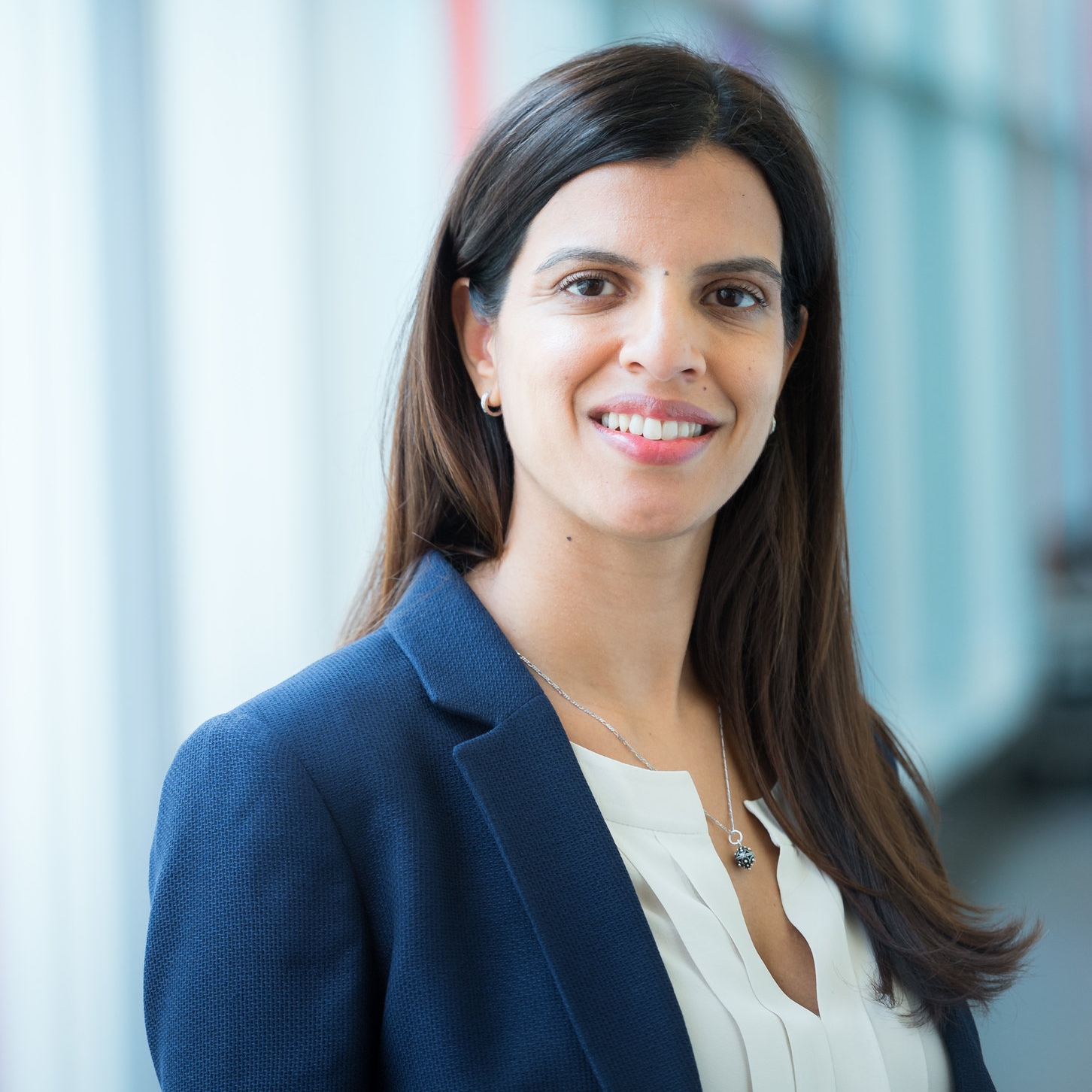
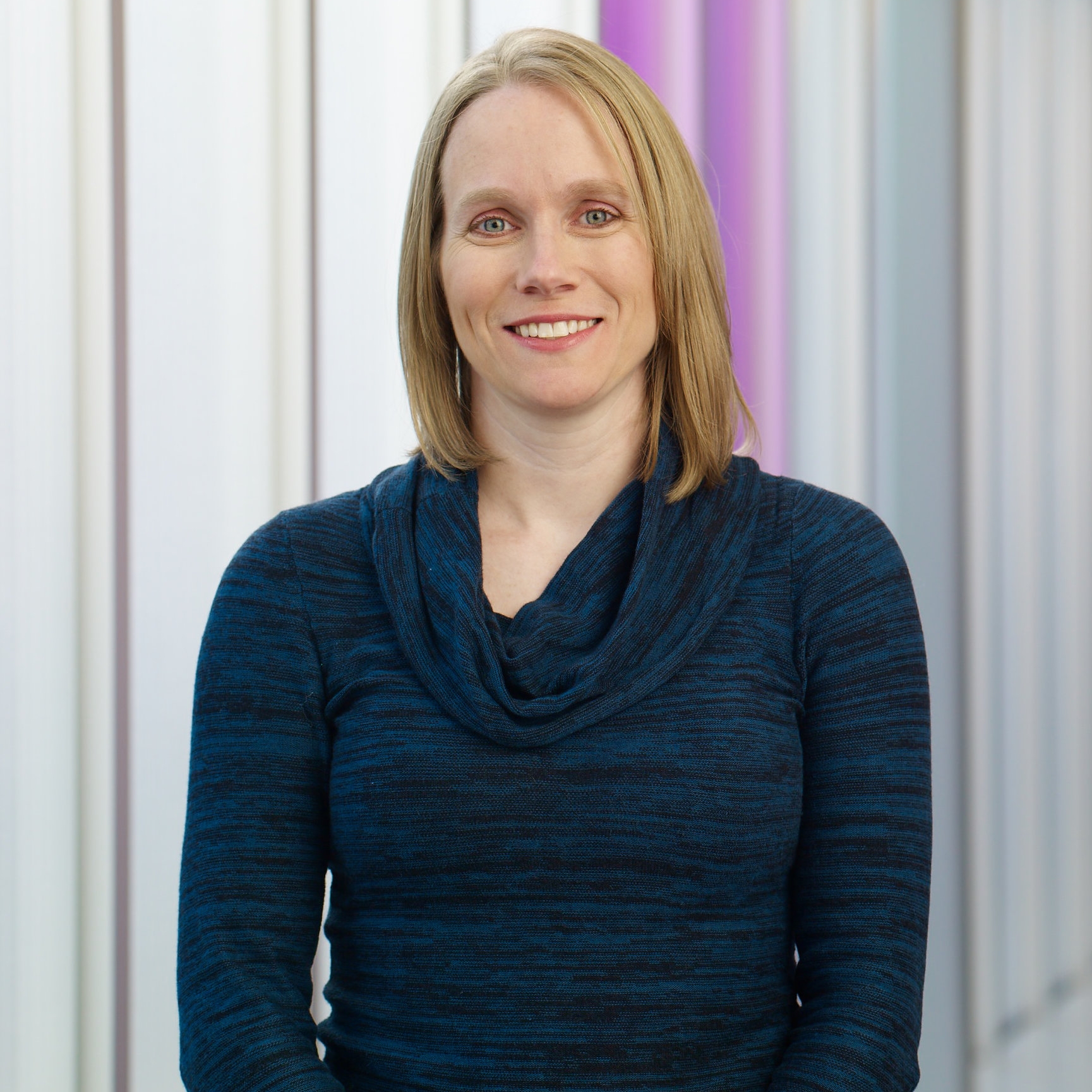
The Child-Sized KT project is led by Dr. Shazhan Amed, Stephanie Glegg, Rosa Livingstone, Dr. Ian Pike, Dr. Elodie Portales-Casamar, John Jacob and Dawn Mount. Meet the team here:

What is Child-Sized KT?

The Child-Sized KT team will use the KT Innovation Incubator grant to develop an online platform that will provide opportunities for youth and families to actively participate as partners in research, from developing the question, to designing the study, to sharing new knowledge.

More specifically, the Child-Sized KT team will:

  • Document child and family partner stories about the value of research engagement

  • Gather feedback from children and their families, and assess the usefulness of the stories in motivating child and family research engagement

  • Co-design an online family portal for the Child-Sized KT platform that uses these stories and gaming features (e.g. point scoring, badges, missions, communities) to motivate children and families to learn about health research, why their involvement is important, and how to access research opportunities.

bcch_Prov-Health_RGB.JPG

This portal will be innovative in its use of gamification (i.e. elements of game playing to improve engagement) to motivate children and families to learn about the benefits and logistics of research involvement. The portal will offer an alternative to lengthy written materials, in-person workshops and online learning on patient-oriented research and serve those without previous intention to engage in research.

The CHILD-BRIGHT KT team, including the expertise of the KT Advisory Committee, will also conduct a case study about innovation in knowledge translation and propose an appropriate evaluation framework for the Child-Sized KT team.

Child-Sized KT will transform the way we engage children, youth, and their caregivers in the research, making our research at BC Children’s Hospital and Sunny Hill more responsive, relevant and meaningful to the patients we serve. We are thrilled to receive this support from CHILD-BRIGHT which will galvanize our efforts in creating a fun, engaging, and easily accessible platform for patients and families.
— Dr. Shazhan Amed

The Child-Sized KT team was established two years ago as a collaboration of researchers and clinician-scientists at BC Children’s Hospital (BCCH) interested in advancing knowledge translation (KT) in pediatrics. All aspects of Child-Sized KT up until now have occurred in partnerships with children and families, researchers and health professionals, so that it truly meets the needs of its end-users. Through their family partner (Rosa Livingstone) and co-PI (Stephanie Glegg), they are focused on engaging children with brain-based disabilities and their families, giving them an opportunity to inform the development of Child-Sized KT.

Congratulations to the Child-Sized KT team, and we would like to thank all of our applicants to our very first CHILD-BRIGHT KT Innovation Incubator grant competition as well as our review panel, which was composed of parents, researchers, clinicians, educators, trainees, and youth with expertise in KT research, childhood disability research, occupational therapy, mental health services, communications, and advocacy, who had the difficult task of selecting only one winning project out of the 15 submissions.

CHILD-BRIGHT Principal Investigator Featured on CTV W5

Watch CTV W5 & meet Dr. Jan Gorter, Director of CanChild & Principal Investigator of CHILD-BRIGHT's 'READYorNot' Moving Ahead with Transition of Care from Adolescence to Adulthood project & learn why his work trying to address the gap in transition from paediatric to adult care for children with disabilities in so important in Canada.

The families of severely disabled children dedicate their lives to nurture and protect them, but what happens when the funding and services they rely on are cut off? W5's Sandie Rinaldo investigates the uncertain future faced by disabled children when they become adults.
Learn More about our READYorNOT project
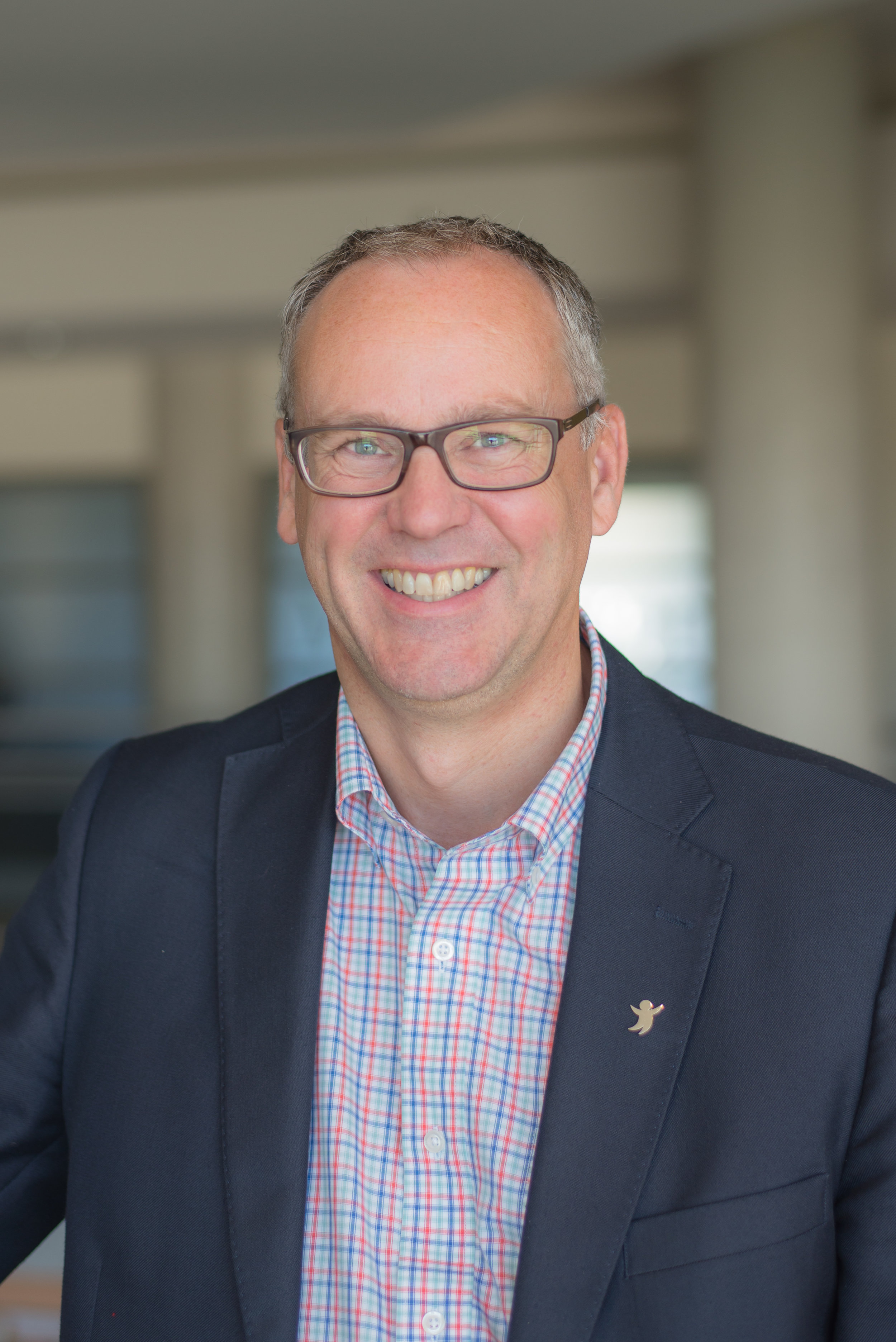
Dr. Jan Willem Gorter

Dr. Jan Willem Gorter

Supporting families of preschoolers with suspected developmental delays

Français
Screen Shot 2018-03-14 at 4.55.31 PM.png

March 12-18 is Brain Awareness Week, and here at CHILD-BRIGHT, we are taking this opportunity to highlight the important work being done in our network to better support families of children with brain-based developmental disabilities. One such example is our collaboration with the Children’s Hospital Research Institute of Manitoba on the BRIGHT Coaching study where together, we aim to help better support families of preschoolers with suspected developmental delays.

Children develop important skills during the preschool years, however some children have difficulties or delays in developing these skills. For families with children experiencing delays, an assessment by a developmental specialist can be an important part of their journey. This can take time and the process of assessment, diagnosis, and accessing care and services can be stressful for families.

The BRIGHT Coaching study is developing a coaching program to help families of young kids with suspected developmental delays during their preschool years. The coach intervention will offer a comprehensive set of tools to support and help empower families. These tools will include:

 
Screen Shot 2018-03-14 at 4.54.45 PM.png


A coach will help parents as they wait for assessment, by talking them through different challenges as they arise.

 
Screen Shot 2018-03-14 at 4.54.11 PM.png

Online education tools will complement coaching sessions, covering topics on child development, service providers, family support, and community resources.

 
Screen Shot 2018-03-14 at 4.54.35 PM.png

Parents will be able to connect with other parents and families in similar situations, and share questions, experiences, advice, and more.

The study will take place at four different sites and four different cities across Canada: Montreal, Vancouver, Halifax, and Winnipeg. The BRIGHT Coaching research team is led by Dr. Annette Majnemer (McGill University Health Centre Research Institute) in Montreal, and co-led by Dr. Maureen O'Donnell (Child Health BC) in Vancouver. The team is made up of clinicians, researchers and parents, with team members spread out across the country.

Dr. Kristy Wittmeier, Dr. Ana Hanlon-Dearman and Dr. Gina Rempel are researchers at the Children’s Hospital Research Institute of Manitoba and they share the role of lead investigators for the Manitoba CHILD-BRIGHT Site. “We are excited to be a part of this national network, and to make sure that the opportunity to be involved in this trial is open to parents in Manitoba” says Dr. Wittmeier.  “We are pleased that parents have had, and continue to have an important role in developing the coaching intervention. Waiting for assessment and diagnosis can be a stressful time for families and we hope to learn more about what is most effective in helping support parents during this time.”

The BRIGHT Coaching team partners with an incredible group of 10 Canadian parent advisors, who provide essential insight, guidance, and feedback about how to make all aspects of the study relevant and helpful for parents. For example, last spring, an online parent survey was launched to gather feedback from 250 Canadian families, to help develop the best content for the program.

“The BRIGHT Coaching team members at the Children’s Hospital Research Institute of Manitoba have been an incredible asset to the study, partnering with parent advisors, researchers and stakeholders at the local and national level to develop a coaching program that has impact for Canadian parents,” says Dr. Annette Majnemer, BRIGHT Coaching Principal Investigator and CHILD-BRIGHT Nominated Principal Investigator and Scientific Director.

Dr. Annette Majnemer

Dr. Annette Majnemer

Dr. Maureen O'Donnell

Dr. Maureen O'Donnell

Dr. Kristy Wittmeier

Dr. Kristy Wittmeier

The study pilot is anticipated to launch this spring and the official study will be launched in the summer. You can learn more about CHILD-BRIGHT and the BRIGHT Coaching study here.

If you are – or know of – a parent interested in the BRIGHT Coaching study, please share this article and have them reach out via email to Manitoba Site Coordinator, Shayna at spierce@rccinc.ca.

“I feel a sense of excitement at the end of the teleconference meetings because I feel I’m part of something that could truly make a change, make a difference. That momentum stays with me and fuels me to dive back into the daily ritual of therapy and appointments and schedules that support my son”
— Sasa Drover, Mother of 4-year-old boy with ASD and VACTRYL association disease

Share your experiences and thoughts with us on social media by tagging @ChildBrightNet and @CHRIManitoba and using the hashtags #BrainAwarenessWeek and #BrightCoaching.

Subscribe to the CHILD-BRIGHT Newsletter

Meet Susan Cosgrove, CHILD-BRIGHT's First Parent Mentor

Français
15319180_10157866632785300_3294011110058733666_n.jpg

Hi everyone! My name is Susan Cosgrove and I am very happy to begin my role as CHILD-BRIGHT’s first Parent Mentor. I live in Toronto with my 3 children who all have brain-based developmental disorders. We are a family of advocates who are active in the Toronto childhood disability community. We live our lives in the spirit of neurodiversity.

I have been involved in research as a family advisor and in other roles for the past five years. I am passionate about Knowledge Translation, specifically how knowledge can be placed into the hands of families to empower them to share their own expert knowledge about their children. By developing and putting into practice new ways families, researchers and clinicians can collaborate, we are all helping to make patient and family centred care both a norm and an expectation.

In my role as a Parent Mentor I look forward to collaborating with and connecting parents from all over Canada. I am excited to learn from parents about what life with disability is like in their province and how they see their involvement in research shaping the future.

Using my experience in research I hope to support parents in sharing their stories and expertise in a way that makes full use of their unique talents and experiences.

Having such a unique family gives me a bounty of experiences, struggles, accomplishments and resources to draw upon. Whether it be taking my oldest son on his first ever plane ride to see the Franklin D Roosevelt (his hero!) Memorial in Washington DC or navigating the school system to find my little one the right school to embrace his potential, every day is an adventure.

I believe the research community is on an exhilarating path where researchers and families are true partners, and I am excited to be a part of it.

Learn how you can get involved