
Lived & Living Experience Leaders: Meet Jacob Birchnall

FRANÇAIS

For Jacob, self-advocacy is about sharing his perspective. Having experienced discrimination in both his personal and professional life, he’s determined to raise awareness of brain-based developmental disabilities, both within and outside of health research.

Jacob Birchnall, NYAC member

Jacob joined the NYAC in 2023 but has been involved in CHILD-BRIGHT projects since 2020. He has reviewed several research proposals and spoken at network events, including the 2023 CHILD-BRIGHT Conference. Jacob was also a tester for the first version of the MyREADY Transition™ BBD App, a mobile app developed by CHILD-BRIGHT’s READYorNot™ Brain-Based Disabilities Project to help youth transition from the pediatric to adult health care systems.

Jacob’s insights are truly unique, as he’s living with four brain-based developmental disabilities: autism, epilepsy, dyslexia, and attention-deficit/hyperactivity disorder (ADHD). He also has low-frequency hearing loss. 

Jacob only received his epilepsy diagnosis at age 10 and his autism, dyslexia, and ADHD diagnoses at 16. Growing up, he was very shy and reserved.

“I rarely connected with kids my own age,” he says. “I was bullied, and at the time, I didn’t understand why.” Joining the NYAC has not only amplified his voice, but also given him the opportunity to build relationships with others living with brain-based disabilities.

“It’s helped me a lot,” he says. “I have people I can talk to.”  

Jacob, who is studying aircraft maintenance technology at the École nationale d'aérotechnique, has always excelled at building and repairing. When asked about his other pastimes, his answer is simple: “Helping people!” Throughout high school, he was a volunteer at every event. He also enjoyed being an assistant counsellor at the Epilepsy Foundation summer camp in 2022. Now, he’s an enthusiastic customer service rep at RONA, which has a disability program.

Jacob hopes to advocate for others with brain-based developmental disabilities who were diagnosed late, as teens or adults.

“I understand what that’s like," he says. “I didn’t get the support services I needed when I was young, so I had to—and still sometimes have to—figure out how to do things on my own.” 

Meet the other NYAC members

Lived & Living Experience Leaders: Meet Hans Dupuis

FRANÇAIS

Hans Dupuis has been a member of the NYAC since its inception in 2016. A longtime Air Canada employee, he was introduced to CHILD-BRIGHT by a friend who was running an autism support program in Montreal.

Hans Dupuis, Co-Chair of the NYAC

“One thing led to another," he says. “I heard about the youth council and ended up getting recruited.”

Hans was diagnosed with autism and a mild attention deficit at age 6, but only learned that he was on the spectrum at age 13: “I’d been taking medication for years but didn’t know why.”

When he heard about the NYAC, he was keen to get involved in brain-based developmental disability research and share his perspective.

Hans has been the NYAC Co-Chair with Logan Wong since 2022. As the only French Quebecer, he brings a unique and valued perspective to the council. Since 2016, he has participated in various NYAC group consultations, been a guest lecturer on youth engagement in research at McMaster University, and become an active member of CHILD-BRIGHT's Knowledge Mobilization Committee. Most recently, Hans helped review the network’s new terminology for our much-anticipated language refresh
 
When asked if he’s experienced any discrimination due to his autism, Hans says he’s been lucky overall. “I was never bullied,” he says, though he recalls how kids would sometimes avoid or exclude him in school. “I’ve mostly experienced prejudice when dating.” He points out that while social interactions are much easier than they used to be, he still struggles:

“Even though I’ve spent a lot of time studying neurotypical social interactions, it can be hard. I don't always understand ironic jokes or innuendos. It’s a daily challenge.” 
 
Outside of the NYAC, Hans is a member of the International Children’s Advisory Network (iCAN) Young Persons Advisory Group. He is also a former workshop mentor for Action main d’oeuvre, an organization that aims to help people with autism prepare for the workforce. “It was Action main d’oeuvre that helped me get hired at Air Canada in 2017,” says Hans. “So, I was happy to give back.” 

Meet the other NYAC members

Announcing CHILD-BRIGHT’s new Director of Engagement

FRANÇAIS

The CHILD-BRIGHT Network is thrilled to introduce our new Director of Engagement, Jenny Gilbert! 

Our Engagement Program focuses on authentic involvement of research partners with lived and living experience (PWLEs) in all facets of CHILD-BRIGHT's work. As Director of Engagement, Jenny will lead the program, working closely with the Engagement Program and Projects Manager and the Youth and Engagement Initiative Coordinator to strengthen engagement across the entire portfolio of network activities (implementation science research; training and capacity building; knowledge mobilization; equity, diversity, inclusion, decolonization and Indigenization; and communications).  

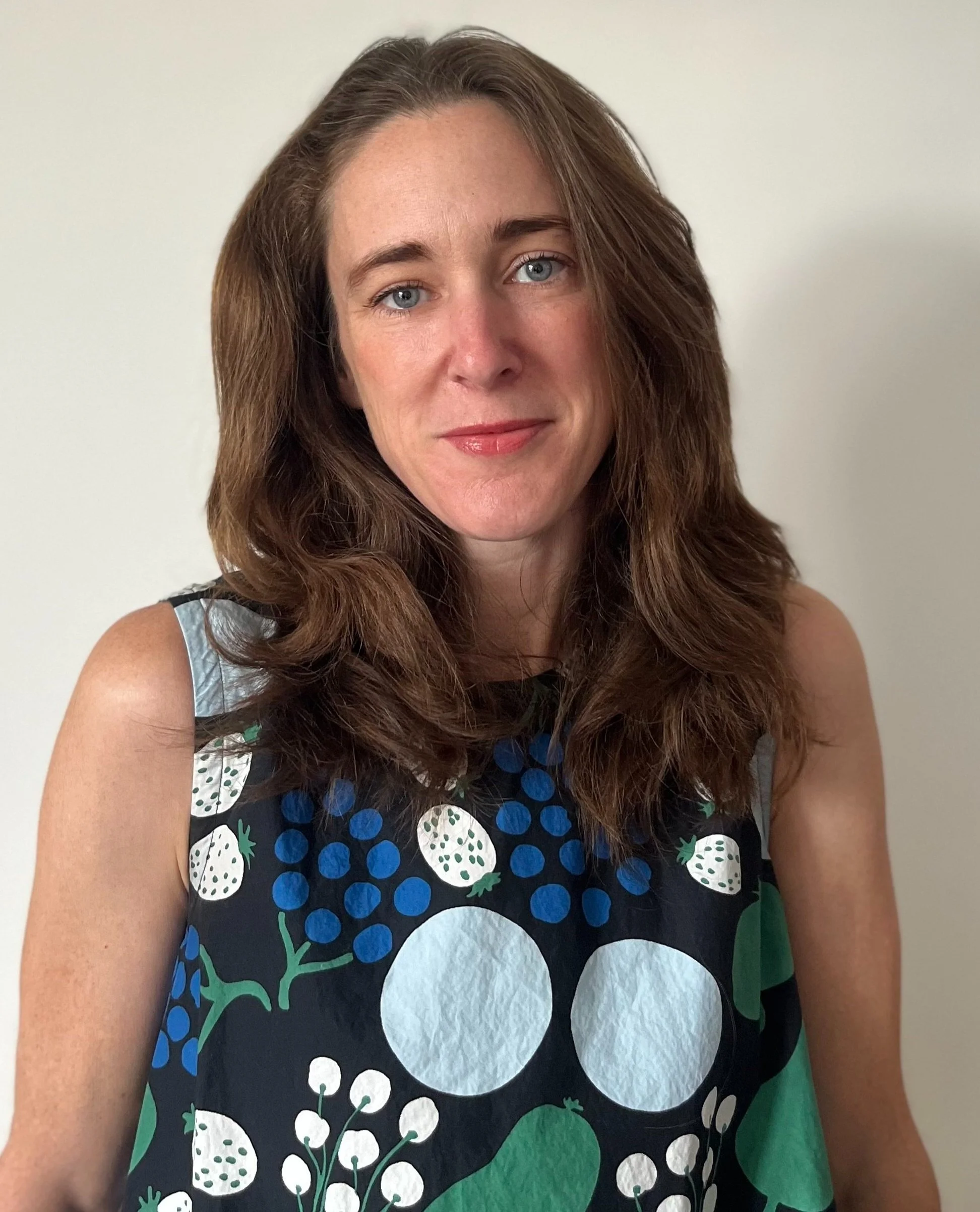
Headshot of Director of Engagement Jenny Gilbert

Jenny brings two decades of experience working in engagement, research, and knowledge mobilization in the public and nonprofit sectors to the role, including for the Ontario Midwives Association, Ontario Health/Health Quality Ontario, and the Ontario College of Family Physicians. She has also collaborated extensively with pan-Canadian networks in engagement. As such, a strong focus of Jenny’s career has been elevating the voices of people with lived experience to address inequities. In her early career, Jenny worked with children and families experiencing the impacts of colonialism, racism, and poverty in a Head Start Program on a reserve on the West Coast, and later, in Toronto with teen moms experiencing homelessness. For the past eight years, she has been a member of the Toronto Birth Centre's Quality Advisory Committee, representing lived experience and community perspectives. 

“Illustrating the story—the lived experiences—behind data is a strong passion of mine,” Jenny shares. “Listening, empathy, and curiosity—these are at the core of who I am and what I do. I approach my work from a place of humility, trust, and respect using a reflexive, intersectional lens—to get to the heart of insights and achieve outcomes that are aligned with individual, community, or organizational goals, needs, and values. I’m enthusiastic about joining CHILD-BRIGHT in this work to integrate diverse perspectives, experiences, and evidence into meaningful, action-oriented solutions for improved health outcomes for kids with brain-based disabilities.” 

Listening, empathy, and curiosity—these are at the core of who I am and what I do.
— Jenny Gilbert

Jenny is a parent of kids with brain-based developmental disabilities and is also the oldest of 16 kids: 12 of her siblings were adopted through the foster care system, have disabilities such as autism, fetal alcohol spectrum disorder, and learning disabilities, and experienced significant early childhood trauma. The varied experiences of her children and her siblings illustrate to her the importance of integrating perspectives of people with lived experience into research to support our understanding of the broader forces and systems that represent barriers or enablers to health, well-being, and full participation in our communities. They also illustrate how advocacy and policy change can lead to more relevant, impactful health policy, program, and service design and improve outcomes for kids and families. 

Working in the engagement sector, as well as parenting a child with autism and a rare autoimmune disease and two with attention-deficit/hyperactivity disorder, has afforded her a deep understanding of how asking parents, caregivers, and people with lived experience of brain-based developmental disabilities to contribute to research and volunteer their time can sometimes be more than they are willing or able to take on. In her view, it is essential to create engagement opportunities that consider the needs of the community and offer multiple entry–points and variable time commitments, and feel meaningful, reciprocal, and impactful to all involved. 

“So often in our work we are asked to separate our personal lives from our professional ones, so what excites me most about joining CHILD-BRIGHT is being able to bring together my experience as a parent of children with brain-based developmental disabilities with my decade-plus career in the health system facilitating engagement with people with lived experiences and building organizational capacity for inclusive engagement,” says Jenny. 


Welcome, Jenny!   

*** 

CHILD-BRIGHT wishes to thank outgoing Director of Engagement Sharon McCarry, who led the Engagement Program from 2021 to 2024. A passionate advocate for children and families with lived and living experience of autism spectrum disorder, Sharon championed our PWLEs throughout her tenure and increased the diversity of PWLEs who are involved in our network’s activities.  

We are also grateful for the support of CHILD-BRIGHT’s Parent Liaison and interim Director of Engagement Carrie Costello. Carrie offered essential guidance at a critical time for the Engagement Program, leading the Engagement Council with compassion and creating space for our members to authentically participate. 

Learn more about the Engagement Program

The 2024 Training Innovation Fund: Call for applications

Now accepting applications!

 The CHILD-BRIGHT Network is proud to launch its 2024 Training Innovation Fund (TIF)! 
 
The 2024 TIF competition will provide a maximum of $10,000 to up to four creative and innovative training initiatives that complement patient-oriented research (POR) activities in implementation science and knowledge mobilization. These initiatives must support POR related to childhood brain-based developmental disabilities and actively integrate the principles of equity, diversity, inclusion, decolonization, and Indigenization

Click below to visit the competition page and review the full details, eligibility requirements, and application procedure.

Apply by August 31, 2024. Good luck!

Meet our previous winners:

Learn more & apply

National Indigenous Peoples Day: Spotlight on Indigenous health and wellbeing in Canada

FRANÇAIS

In the past few decades, perspectives on Indigenous health in Canada have evolved dramatically. Thanks in no small part to the work of First Nations, Métis, and Inuit Elders, knowledge keepers, health care professionals, researchers, and advocates, there is increasing awareness of the need to view Indigenous health from a holistic lens. Understanding the historical, cultural, and social determinants that impact Indigenous quality of life, and respecting the cultural and spiritual beliefs tied to Indigenous well-being, are key. 

In honour of National Indigenous Peoples Day, CHILD-BRIGHT's Equity, Diversity, Inclusion, Decolonization and Indigenization (EDI-DI) Program has put together a collection of educational resources on Indigenous health. These include: 

  • a timeline of key milestones relating to Indigenous health in Canada,  

  • an examination of the social factors impacting the health outcomes of First Nations, Métis and Inuit people in Canada, and  

  • an introduction to decolonizing practices that can make a difference. 

Read on to discover these resources and to learn how CHILD-BRIGHT is taking steps to support Indigenous health. 

Indigenous health through history 

Globe with map of Canada and part of the United States

In the infographic below, readers will find a comprehensive timeline showcasing key events and developments that have shaped Indigenous health and wellness in Canada. It presents the profound and ongoing consequences of colonialism, tracing the ripple effects of racism and discrimination from the pre-1600s to the present day. It also highlights pivotal moments of progress, like: 

  • the 1988 Indian Health Transfer Policy,  

  • the 2011 Aboriginal Children’s Health and Well-being Measure, and  

  • the 2023 Indigenous Child Development Initiative.  

In addition, it showcases the emergence of Indigenous-led research and initiatives, especially in the last five years. 

For those interested in learning more about the history of Indigenous health in Canada, this resource is a great jumping-off point. 

Download “Honouring Progress: Key Milestones in Indigenous Health” infographic
Dreamcatchers

The following infographic brings together three research articles exploring the broader social determinants of health affecting Indigenous communities. They discuss the importance of viewing Indigenous health from a holistic, or comprehensive, lens.  

Indigenous health and well-being encompass more than just physical health; they include mental and emotional wellbeing, community health, and cultural continuity.
— Exploring Indigenous Health and Wellbeing 

The articles broach the vital relationships that First Nations, Métis, and Inuit people have with land, water, family, culture, and language, highlighting the profound impact they have on their sense of identity and well-being. “The erosion of these connections can lead to significant health disparities including mental health challenges, educational barriers, and housing insecurity,” according to the infographic.  

Read the full infographic to learn more about the complex interplay between social determinants and their collective impact on Indigenous health outcomes. 

Download “Exploring Indigenous Health and Well-being” infographic

Download an accessible version of this infographic

Decolonizing practices in research 

Stethoscope

Like health care providers and policymakers, researchers can adopt strategies to address systemic inequities in Indigenous health and design more inclusive, progressive patient-oriented research (POR) projects. 

The following infographic provides an overview of cultural safety, sensitivity, and humility in health care and in research. These distinct but interconnected practices go beyond recognizing cultural diversity; they challenge researchers to make an ongoing commitment to self-reflection, learning, and improvement: 

  • Cultural safety comes down to creating environments that are safe and free of discrimination. In a research context, this might involve designing research protocols that don’t harm or infringe on Indigenous communities.  

  • Cultural sensitivity entails understanding the nuances of cultural beliefs and values. For a researcher, this might mean using data collection methods that align with Indigenous norms and practices. 

  • Finally, cultural humility is about being open to learning from patients and people with lived and living experience. For instance, researchers may co-design a study or project with Indigenous community representatives. 

Access the infographic below to learn more about cultural safety, sensitivity, and humility and how these approaches can be applied in health research and beyond. 

Download “Cultural Safety, Sensitivity, and Humility in Action” infographic 

Download an accessible version of this infographic

How CHILD-BRIGHT is working to support Indigenous health 

CHILD-BRIGHT is committed to creating equitable, accessible, and inclusive research environments that centre the voices of equity-deserving communities in Canada.  

With this vision in mind, we have worked to understand the key contributions of Indigenous knowledge to POR and actively engage with Indigenous partners in research. For example, we are proud to collaborate with participating First Nations communities in Ontario on the Prenatal Opioid Exposure and Neonatal Abstinence Syndrome project

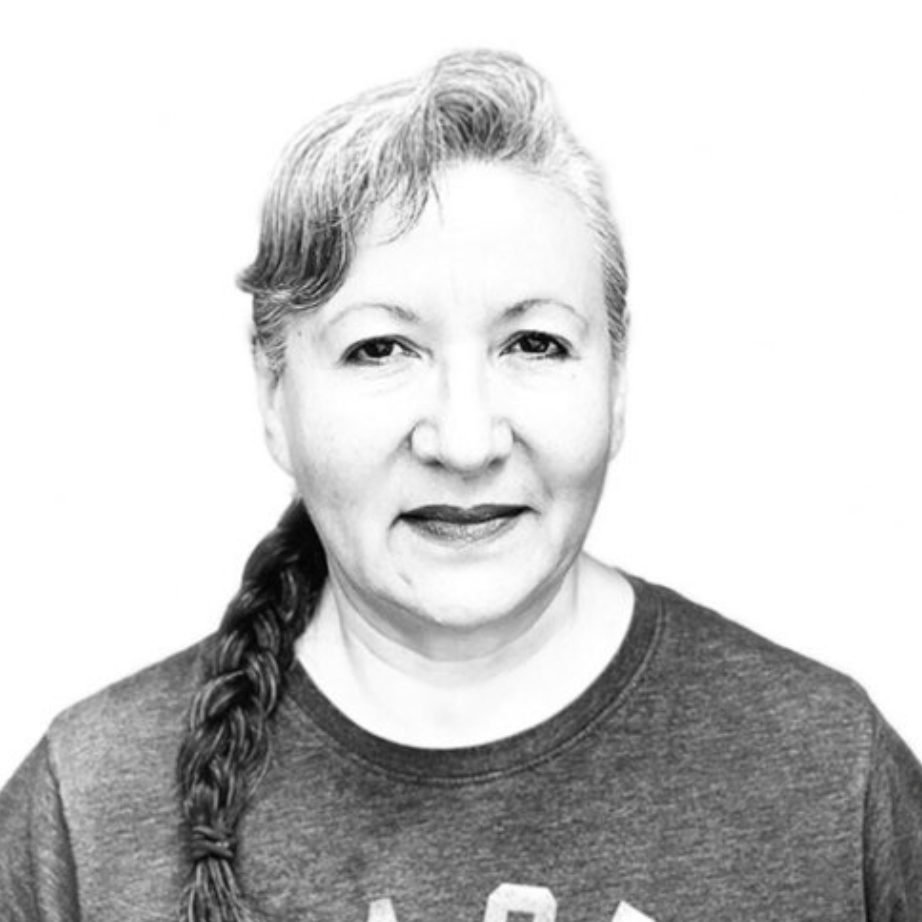
Marlyn Bennett

Furthermore, CHILD-BRIGHT's EDI-DI Program was established in 2022 to ensure that all voices, bodies, and experiences are included at every level of our work. This March, we were delighted to welcome Marlyn Bennett to our team as EDI-DI Co-Lead. Marlyn is Anishinaabe from the Treaty 1 community of Sandy Bay Ojibway Nation in Manitoba, Canada. Marlyn’s knowledge, expertise, and lived experience are helping CHILD-BRIGHT make the next leap in our journey towards improving Indigenous health and well-being in Canada.  

The EDI-DI Program is currently offering a webinar series, Applying Anti-Racism Principles in Health Care, which aims to highlight the impacts of racism on research outcomes and health care delivery and offer practical anti-racism strategies. Registration is open for the session on July 31, 2024. Visit the event page for full details and to reserve your spot. 

Learn more and register