
CHILD-BRIGHT submits brief to House of Commons Standing Committee on Health

CHILD-BRIGHT is proud to share that we have submitted a brief to the House of Commons Standing Committee on Health as part of their children’s health study, which lists recommendations and considerations to improve the health and well-being of children with brain-based disabilities and their families in Canada.

What is the House of Commons Standing Committee on Health (HESA)?
HESA reviews and reports on all matters relating to the mandate, management, and operation of Health Canada such as health-related bills and reports, budgetary estimates, examinations of qualification and competences. HESA also has oversight responsibility of four agencies that report to the Minister of Health (the Canadian Institutes of Health Research, the Patented Medicine Prices Review Board, the Canadian Food Inspection Agency, and the Public Health Agency of Canada).

HESA can also make decisions to study other matters. It holds public meetings and collects information from witnesses, reports on its findings, and makes recommendations.

This year, HESA opened a process allowing Canadians to submit recommendations relating to children’s health in Canada, so we jumped at this opportunity!

Why is CHILD-BRIGHT well positioned to put forward recommendations on children’s health?

CHILD-BRIGHT believes that federal leadership is urgently required to measurably improve the health and well-being of Canada’s children and youth, and we believe that we are uniquely positioned to support this work.
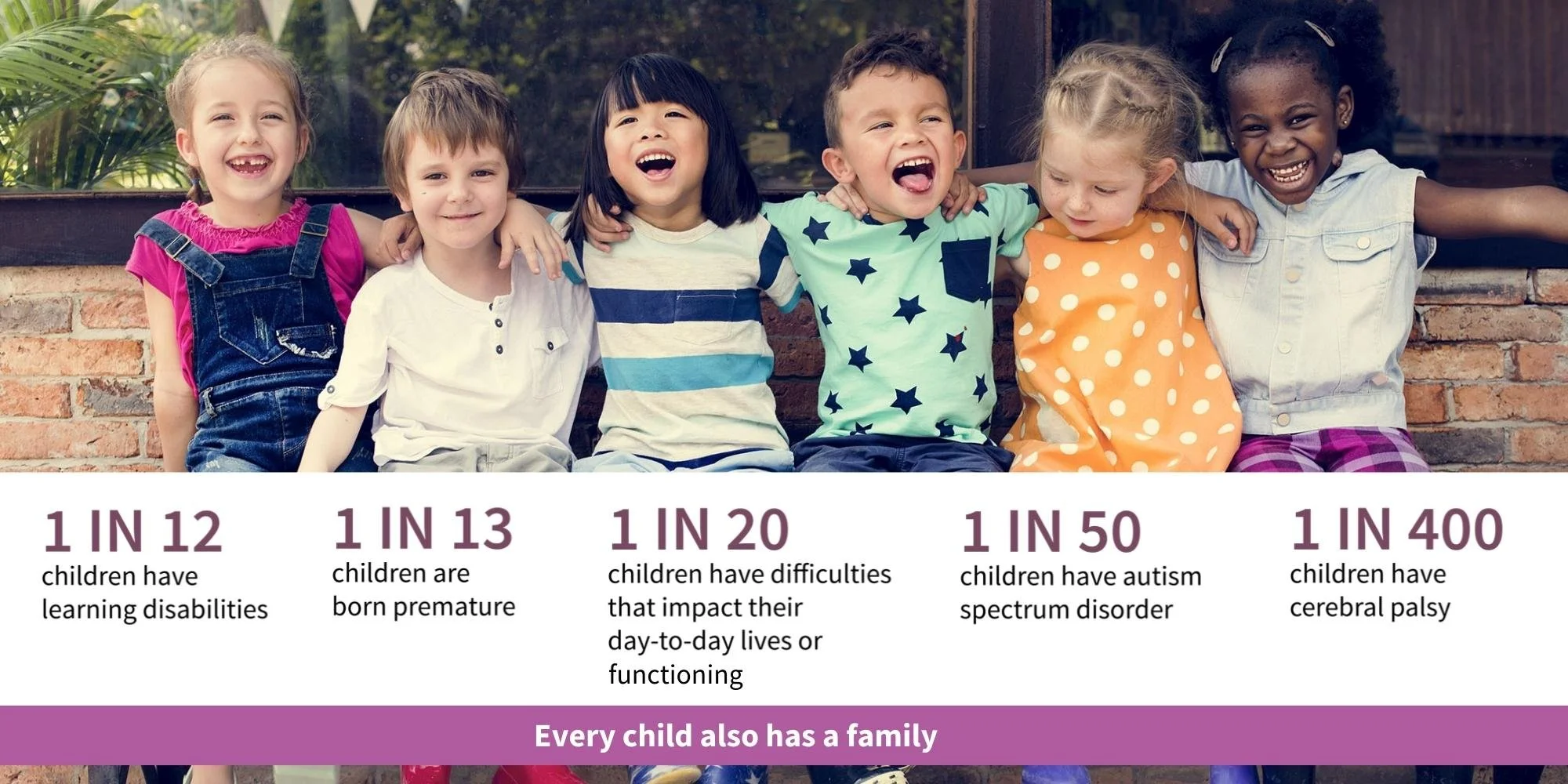
A group of children are smiling. Text reads: 1 in 12 children have learning disabilities. 1 in 13 children are born premature. 1 in 20 children have difficulties that impact their day-to-day lives or functioning. 1 in 50 children have autism spectrum

In Canada, as many as 850,000 children are living with a brain-based developmental disability and face life-long challenges with mobility, language, learning, socialization, and/or self-care that impact the quality of life of the child and their family. Since 2016, CHILD-BRIGHT has been spearheading a movement for change for these children, youth and families; we have been centering patients in research teams, moving research into improved practice and policy, and moving children and families forward towards brighter futures.

We believe that our network and its activities can be leveraged to overcome barriers to health research, tackle health service backlogs, and foster partnerships to address health human resource challenges.

What was the purpose of CHILD-BRIGHT’s brief, and what are our recommendations?

The CHILD-BRIGHT team had three objectives when submitting our brief:

  • To raise awareness of our network, its work and its progress within HESA

  • To highlight our collaboration with Inspiring Healthy Futures and reaffirm our support of their five identified priorities for action:

    • Impactful research and knowledge

    • Child-centered policies and structures

    • Schools and communities as hubs of health and well-being

    • Accessible and adaptable health systems

    • Mobilized communities around children, youth and families.

  • To put forward four additional recommendations and considerations:  

    • The need for continued research funding in the area of brain-based developmental disability in children and youth

    • That health research funding take a “life-course” approach, with attention paid to the health of children and youth across the entire CIHR portfolio

    • That attention be paid to ability and disability in all considerations of equity, diversity and inclusion

    • That CHILD-BRIGHT funding be renewed past March 2026.

Read the full CHILD-BRIGHT brief.

CHILD-BRIGHT also collaborated with Keiko Shikako, Canada Research Chair in Childhood Disability and CHILD-BRIGHT Knowledge Mobilization Program Co-Lead, for a second brief to HESA on behalf of the Participation and Knowledge Translation Lab (PAR-KT Lab), in collaboration with the Transforming Autism Care Consortium.
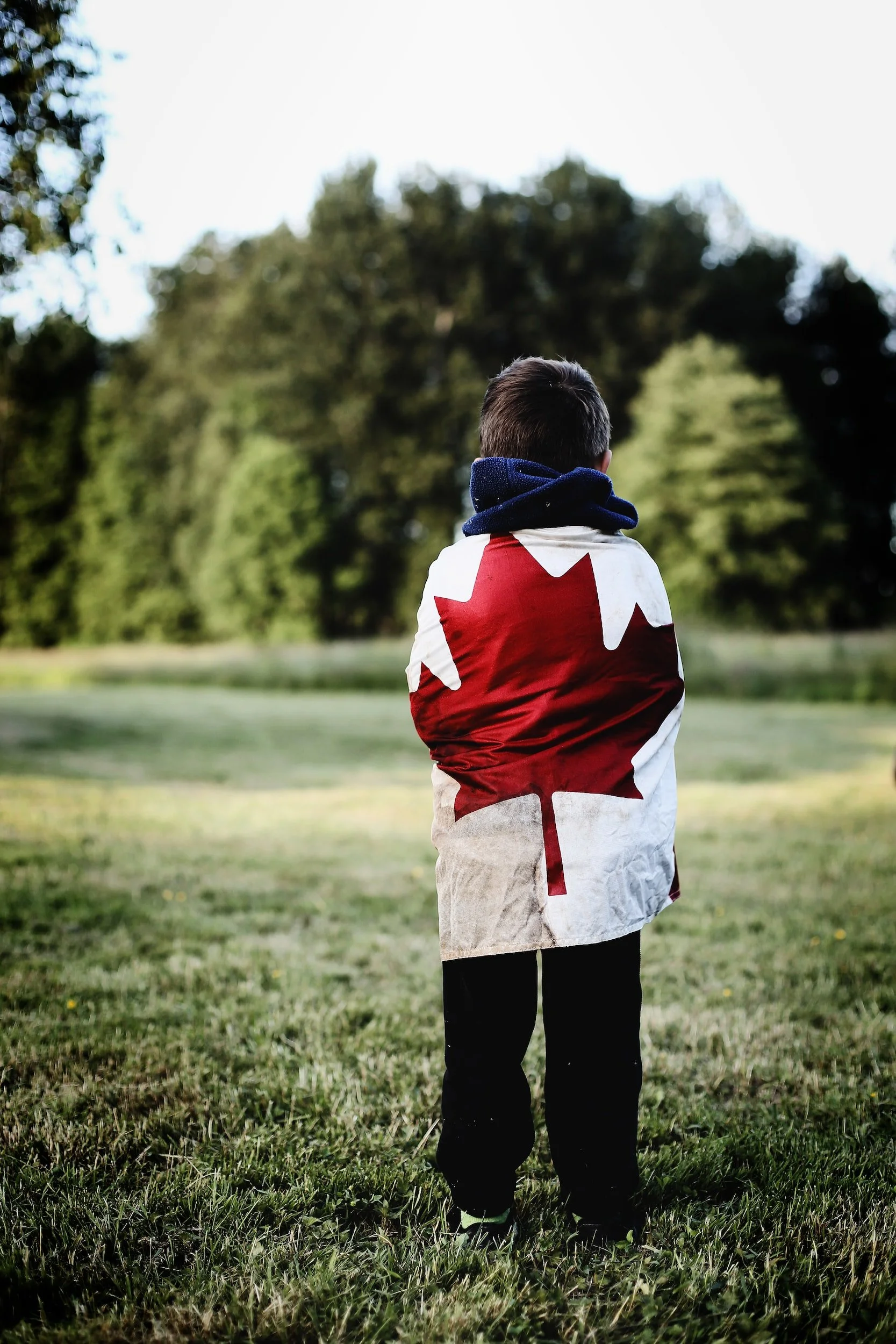
A child, wearing a Canadian flag, stands looking into the distance

Five recommendations were put forward in the PAR-KT Lab brief:

  • That children with disabilities and their families be included in consultations and strategies when elaborating health policy and service

  • That impactful research be supported

  • That the experiences of people with disabilities who are vulnerable for more than one reason, or who are underrepresented, be better understood

  • The child-centric policies be adopted

  • That ongoing health promotion strategies to include children with disabilities be leveraged

  • That accessible, adaptable, and integrated health and well-being systems be created.

Read the full PAR-KT Lab brief.

We thank all HESA members for their time reviewing our recommendations and hope that the insight we bring forward—which has been informed by our network patient-partners since 2016—will help inform and steer HESA’s children’s health priorities in coming years. Together, we can achieve the goal of improving the health and well-being of Canada’s children and youth!
Two heads are better than one for CHILD-BRIGHT’s National Youth Advisory Panel 

In a first for our network, not one but two of our youth members are taking the helm of the CHILD-BRIGHT National Youth Advisory Panel (NYAP). Current chairperson Logan Wong will be joined by long-time NYAP member Hans Dupuis as co-chair for the panel’s next term, which runs from 2022 to 2024. 

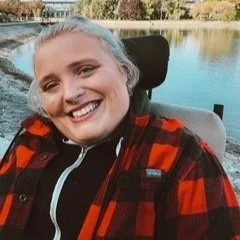
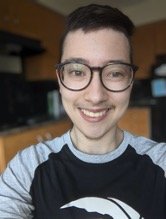
A smiling selfie of Logan Wong

In addition to his work as NYAP co-chair, Logan Wong is a social worker with a particular interest in health care policy, working with youth and within the equity, anti-oppression, and anti-racism sector.

The past two years have been a whirlwind for the NYAP, and especially so for Logan: “As chairperson, I have been able to represent the NYAP on more projects than ever, including as part of the network's steering committee and at a collaboration with Autism Canada, formally the Canadian Autism Spectrum Disorder Alliance,” he shared. Early in his mandate, the NYAP launched its consultation service, in which the youth members provide advice to Canadian researchers working on childhood disability research projects. 

At the same time, our youth members were contending with the many impacts of the COVID-19 pandemic. “The pandemic taught us all how to adapt to the adversity that comes with uncertainty,” Logan said.  “That’s the lesson I will bring with me intothis next mandate as co-chair. I am incredibly proud of the panel for how they adjusted to a new way of working and a new way of life, all while remaining passionate about advocating for people like ourselves with brain-based developmental disabilities.” 

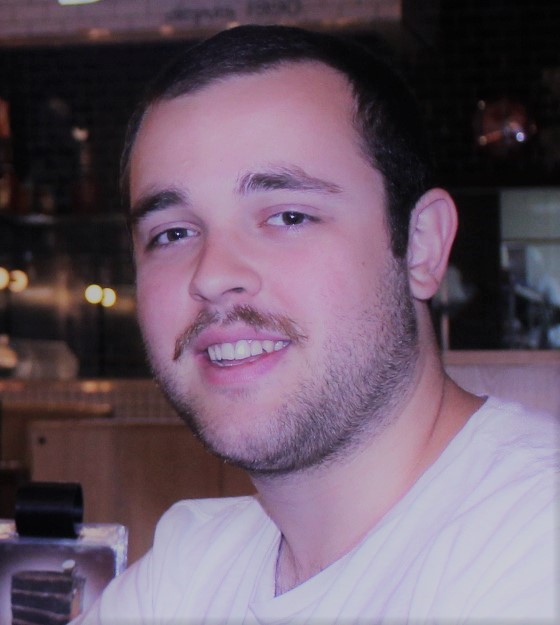
Hans Dupuis smiles for the camera.

NYAP Co-Chair Hans Dupuis, who lives in Montreal, has worked for Air Canada since 2017. He is an avid manga and graphic novel reader and enjoys live-action role playing.

This shift in the NYAP governance structure will allow the co-chairs to share responsibilities and workload and provide a second perspective to decision-making within the panel. “After over four years as part of the NYAP, I’m excited to take on a more active role and do my part in the network to help others with brain-based developmental disabilities or autism,” explained Hans. “As co-chair, I will be able to better guide our monthly meetings and support Logan during this mandate.” As a bilingual francophone youth member, Hans will also bring some linguistic diversity to this new role as co-chair. 

Together, Hans and Logan will guide the NYAP and its members as the network moves into its Phase 2. The panel will retain its focus of advising CHILD-BRIGHT’s research teams on how to optimize youth engagement. With this in mind, the youth members have started developing a toolkit on best practices in patient engagement and patient-oriented research for teams to incorporate at the start of their implementation science research projects.  

“I am proud of the work we have done so far within the network and beyond and I look forward to sharing this role with Hans for the next two years to see how much more we can accomplish as a panel in the future!” Logan concluded. 

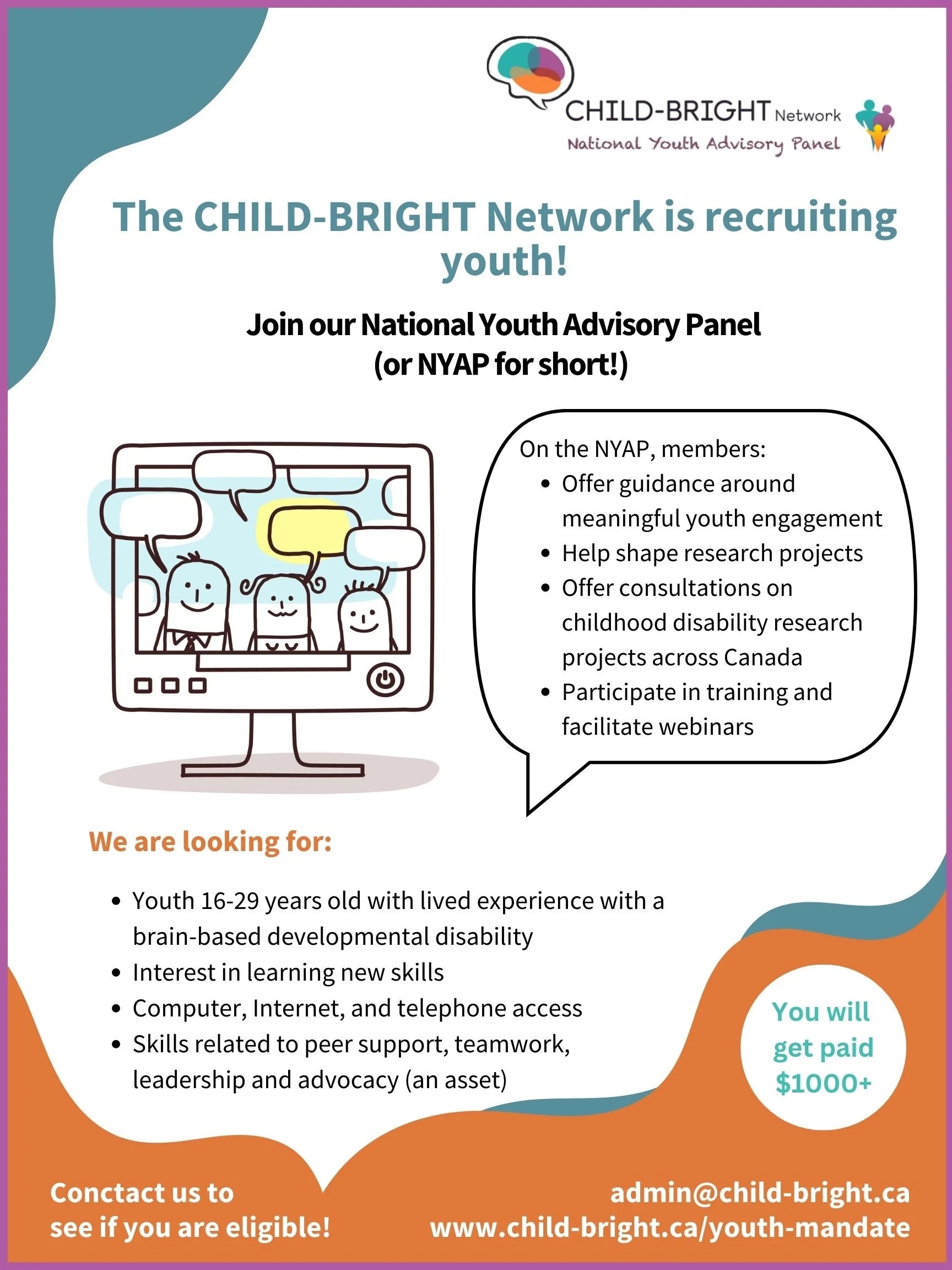
Are you a Canadian youth with a brain-based developmental disability? The NYAP is recruiting!

Reach out to our Citizen Engagement team to know more

CHILD-BRIGHT youth helps make Project 2050 accessible for all

In November 2021, we announced that our Jooay App research project had teamed up with the Earth Rangers organization to launch Project 2050: Climate-friendly habits to change the world!

Jooay and Earth Rangers reached out to CHILD-BRIGHT’s National Youth Advisory Panel (NYAP), which offers an innovative consultation service to Canadian researchers working on childhood disability research projects, to help ensure Project 2050 is accessible to, and inclusive of, children with disabilities. NYAP member Gillian Backlin worked with the team to provide an accessibility review of the Project 2050 website.

A national movement powered by Earth Rangers in partnership with Jooay, Project 2050 empowers children with the knowledge and skills needed to tackle climate change. It teaches children and youth that our habits can have a big impact on the planet, and that by working together, we can build a more climate-resilient future. It was therefore important to the project team that its website be accessible to all children and youth, including those with disabilities.

Photo of Gillian Backlin

Gillian, who has completed a previous NYAP consultation, was a natural fit for this particular project. “I’m trained in technical writing and therefore have knowledge in information architecture and how things might make more sense to the end user,” she explained.

The nature of each NYAP consultation can vary depending on specific research project needs. For Project 2050, Gillian met with the team via Zoom, where they requested she review a list of items on the website. She went through them with CHILD-BRIGHT Citizen Engagement Coordinator Corinne Lalonde and submitted their feedback. They then had a follow-up meeting with the project team to discuss their findings. “It was a great experience!” Gillian shared. “I felt that my feedback was valued and incorporated into the results.”

Corinne also had the opportunity to explore the website with her son: “My almost six-year-old was delighted to receive his very own official Earth Rangers card in the mail! We looked at the website and he was immediately drawn in by the challenges and rewards. He found them fun and learned a lot about healthy habits (which made his mom very happy too!).” 

“It was a really great experience working with Gillian and the team on this project,” Corinne added. “It was interactive and interesting, and we felt that we were well supported throughout.”

The Jooay team couldn’t have agreed more: “Gillian provided valuable feedback on our accessibility project,” they emphasized.

“We’re partnering with Earth Rangers to advise on accessibility and the inclusion of children with disabilities in Project 2050, and to make sure that their website is accessible for children with disabilities. Project 2050 encourages kids across Canada to make climate-friendly habits part of their life,” the team wrote to us. “With her professional and lived experiences, Gillian assessed the Earth Rangers website carefully and sent us her detailed feedback.”

You (and your kids!) are invited to check out the results of the NYAP consultation by viewing the Project 2050 website.

INTERESTED IN CONSULTING WITH THE NYAP? LEARN MORE AND SUBMIT A REQUEST HERE!

How the NYAP shaped a study about youth mental health during COVID-19

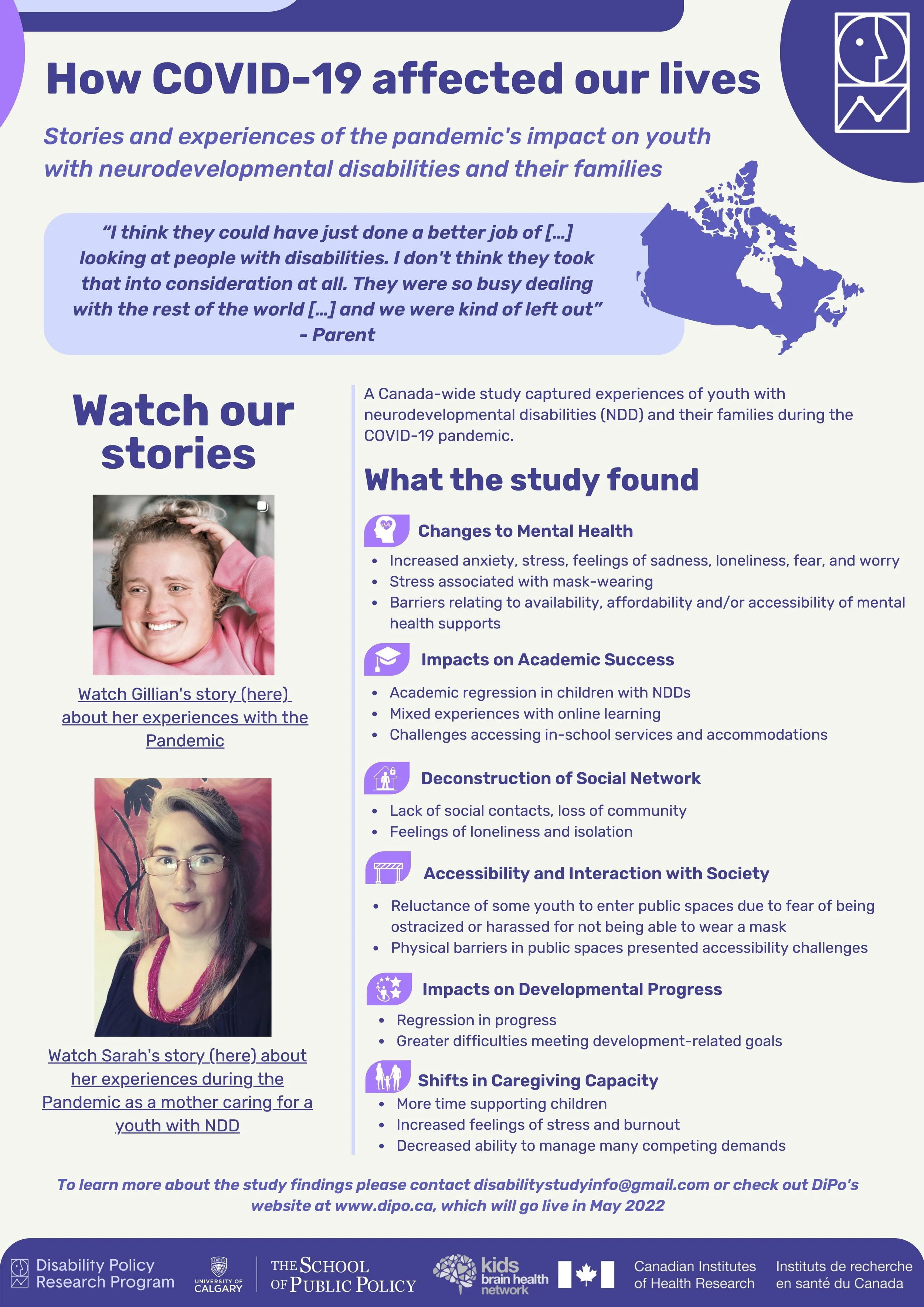
In October 2020, CHILD-BRIGHT’s National Youth Advisory Panel (NYAP) launched an innovative youth consultation service, offered to Canadian researchers working on childhood disability research projects. NYAP members Gillian Backlin, Claire Dawe-McCord, Logan Wong and Hans Dupuis consulted with the “Nothing without us: COVID-19 policy responses to improve mental health of youth with disabilities and their families” study team between March and December 2021. Gillian Backlin served on the project’s advisory council as a youth representative.

The “Nothing without us” project, co-led by CHILD-BRIGHT members Keiko Shikako and Jennifer Zwicker, and affiliated with the University of Calgary, was designed to identify COVID-19 policy responses that are inclusive, equitable, and evidence-informed to meet the mental health needs and promote well-being for Canadian youth with disabilities and their families.

To do so, the study team conducted interviews with youth with neurodevelopmental disabilities to understand how the COVID-19 pandemic has impacted their mental health and their experiences accessing services during the pandemic. After filling out a short online screening questionnaire, youth had the option to participate in a follow up phone/Zoom interview or another online survey.

The research team approached the NYAP to consult in this project in two ways: an individual consultation with Gillian, who was on the study’s advisory council, and a group consultation with Logan, Claire, and Hans, who all reviewed the survey.

“I was interested in participating in this project because I believe the COVID-19 pandemic has had serious impacts on youth mental health and that this is an important area of research to develop further,” Claire shared. “Furthermore, I believe that youth involvement in tools for peers is extremely impactful.”

NYAP members gave feedback on a range of survey elements, including the content of the questions, accommodation and accessibility considerations for youth participants, the survey length and design, and the mode of distribution. Gillian participated in a video story about her experiences during the pandemic. And Claire took part in an advisory council workshop in April 2022 to provide feedback on the study findings. 

“The consultation enabled us to get practical feedback on improving the plain language version of the COVID-19 survey and interview guide aimed at determining the experiences of youth with neurodevelopmental disabilities and their families in accessing services and their mental health needs during the COVID-19 pandemic,” the “Nothing without us” team reported. “The NYAP also provided feedback to help us ensure that our survey was as accessible as possible.”

“We’d recommend the NYAP’s consultation service to researchers, given the ease of the consultation process and the members’ helpful advice that reflected the needs and lived experiences of youth with neurodevelopmental disabilities.” 

Visit the project website to learn more about the “Nothing without us” study.

INTERESTED IN CONSULTING WITH THE NYAP? LEARN MORE AND SUBMIT A REQUEST HERE!


Azrieli CHILD-BRIGHT Fellowship Program

In collaboration with the Azrieli Foundation, CHILD-BRIGHT is looking to recruit a cohort of postdoctoral researchers to work on our implementation science research projects, and to help programs mobilize knowledge to action in support of children with brain-based developmental disabilities (BDD) and their families.

We are looking to fill 6 or more postdoctoral positions for up to two years. Ideally, qualified applicants will have strengths in implementation science research and expertise in disseminating research knowledge and supporting the uptake of evidence into practice.

Further, applicants should have a strong interest in patient-oriented research, a passion for supporting children with BDD and their families, as well as practically applying the core principles of equity, diversity, inclusion, decolonization, and Indigenization (EDI-DI) throughout health research.

Read the full details & apply (or share!)

Applications are encouraged by October 17, 2022. However, the application process will remain open until all positions are filled. Applications will be reviewed and assessed on a rolling basis as they are submitted.

Do not hesitate to contact pierre.zwiegers@child-bright.ca for further details as necessary, and please take a moment to share this opportunity within your networks to help us find these candidates.