Now accepting applications for the  2021 KT Innovation Incubator Grant Competition!

Français

Now accepting applications for the
2021 KT Innovation Incubator Grant Competition!

Line.jpg

Up to $12,000 in funding available

CHILD-BRIGHT is proud to launch its 2021 KT Innovation Incubator grant competition!

The KT Innovation Incubator grant competition will award up to $12,000 to each of two (2) winning knowledge translation research projects that aim to answer a research question related to knowledge translation and patient-oriented research.

Applications are due by March 12, 2021. 

Visit our website for full grant competition details, eligibility requirements, and to learn more about the application procedure. Good luck!

Eligibility requirements & application procedure

Updated rapid review shows that children with brain-based developmental disabilities at greater risk of severe COVID-19

Français

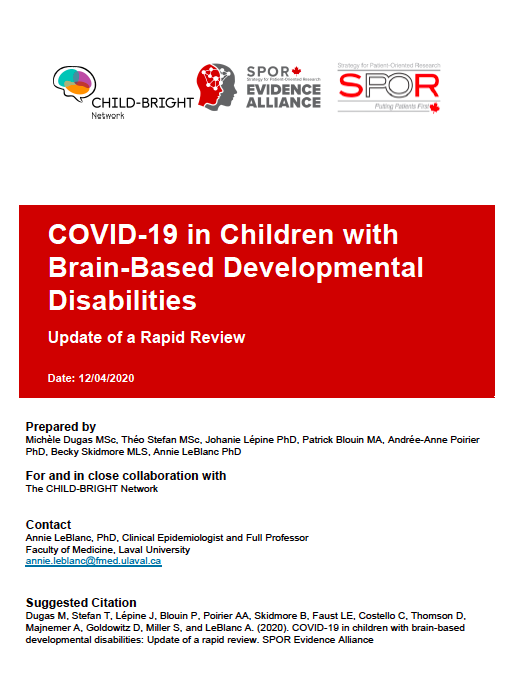
Concerned with the potential impact of COVID-19 on children with brain-based developmental disabilities, our network conducted a rapid review with the SPOR Evidence Alliance earlier this year to better assess the risk to children with brain-based developmental disabilities, or those at-risk of developing such diseases.

Today, we are sharing an update to this review.

As a reminder, our review aimed to answer the following three research questions:

  1. Are children with brain-based developmental disabilities more likely to develop COVID-19?

  2. Are children with brain-based developmental disabilities more likely to develop complications due to COVID-19? And,

  3. Are children with brain-based developmental disabilities more likely to have a poorer prognosis once they develop COVID-19?

Back in May 2020, we concluded that data regarding this population was insufficient to properly inform policy makers, decision makers, as well as families. Read the May 2020 report.

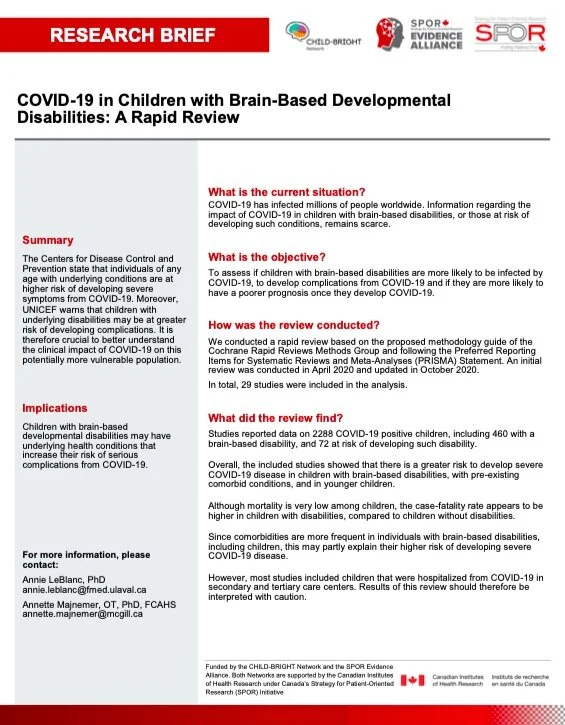
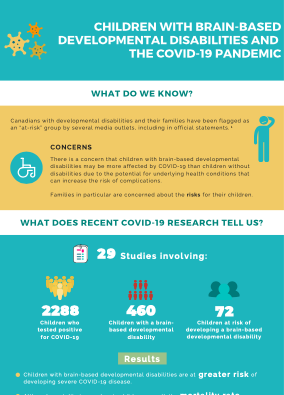
In our updated review, shared today and linked below, we now see that children with brain-based developmental disabilities are at greater risk of developing severe COVID-19 disease. The mortality is very low in children overall, but the mortality rate appears to be higher in children with disabilities compared to children without disabilities.

This is in line with what we are also noting in studies comparing person with disabilities who were hospitalized or living in care homes, compared to others living in the same conditions. There is a significant increased risk of death or severe complications for persons with disabilities.

What next steps do we recommend?

Based on these results, we are putting forward two key recommendations:

  1. We must engage Canadian brain-based development disability organizations and families to both design methods for ongoing reporting about the occurrence and impact of COVID-19, and to ensure that health, education, social programs and supports take into account the specific needs of children with brain-based developmental disabilities and their families as the pandemic evolves.

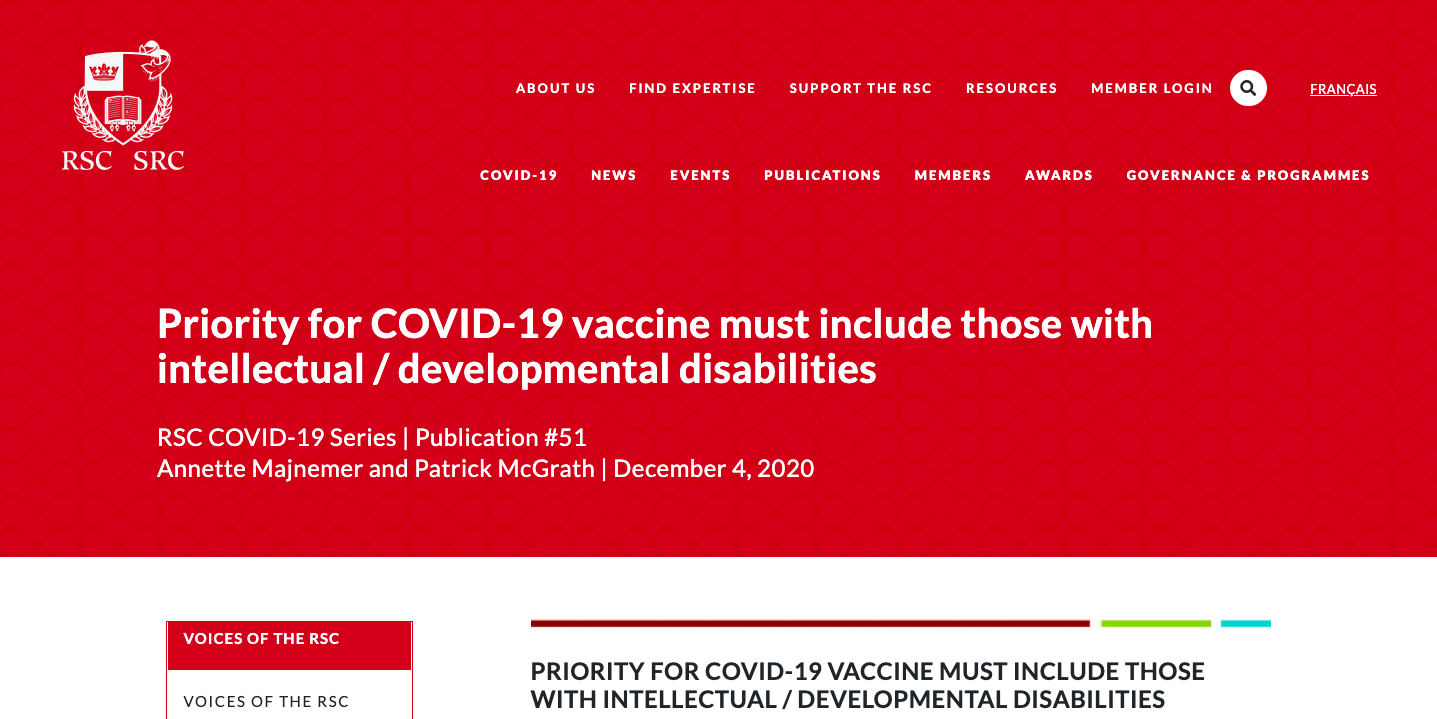
  2. On the policy front, we recently asked Canadian policy makers to prioritize vaccinations in children with brain-based developmental disabilities, given their greater risk for severe complications. Read our opinion piece below:

This review was funded by the CHILD-BRIGHT Network and the SPOR Evidence Alliance. Both networks are supported by the Canadian Institutes of Health Research under Canada’s Strategy for Patient-Oriented Research (SPOR) Initiative.

We wish to acknowledge and thank the panel of knowledge users from our network who contributed to this study including patient-partners, caregivers, clinicians, decision makers and researchers. They contributed to all steps of the project including developing the questions, doing literature searches, interpreting and drafting the results, and working to disseminate the findings.

Read about other CHILD-BRIGHT COVID-19 Initiatives:
My COVID Disability Q. , an online Q&A hub in partnership with CanChild and Kids Brain Health Network
and
CHILD-BRIGHT COVID-19 list of resources

CHILD-BRIGHT Sustainability Report Now Available!

Français

In 2016, under Canada's Strategy for Patient-Oriented Research mandate, we embarked on a journey to improve life outcomes for children with brain-based developmental disabilities and their families.

Over the past four years, we have seen our community-building efforts come to fruition. We launched an ambitious patient-oriented research program, we developed multiple patient-oriented training initiatives, we advanced a knowledge translation program, and most importantly, we engaged patients, families, and other citizens in our governance and all our activities. We are proud that our work has been built on priorities identified by patients, families, and citizens, and that these stakeholders continue to steer and guide CHILD-BRIGHT's efforts.

As we move ahead in our mandate and work, we are increasingly turning our attention to planning how to sustain this work and build upon our successes to reach new goals in the years to come.

We are happy to share this strategy with you in our CHILD-BRIGHT Sustainability Report, now available in English and French.

This sustainability report describes how we, at CHILD-BRIGHT, plan to continue our mission, meet the needs of our citizens and members, grow to meet future needs, and realize our vision. It also highlights how we have involved our members and citizens in this strategic planning.

Download the CHILD-BRIGHT Sustainability Report

We wish to thank our financial partners for their commitment to this work. As you will see in our report, partnerships are the cornerstone of our success, now and in years to come, and we hope to continue building upon these important ties as we move ahead together.

Learning with Youth and Other Patient-Partners: Engagement, Partnerships, and Ethical Considerations in Patient-Oriented Research

Français
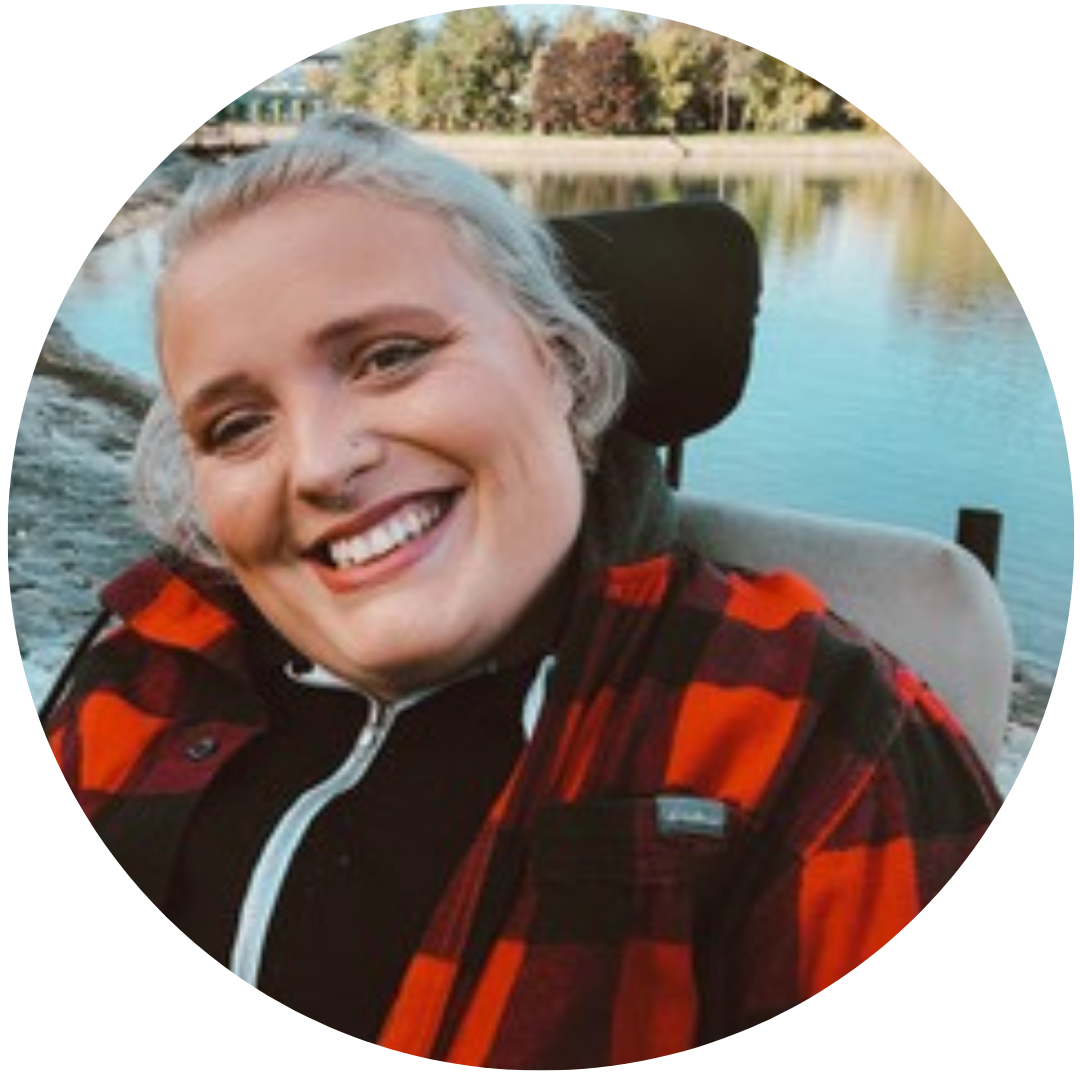
Gillian Backlin.png

by Gillian Backlin

In honour of International Day of Persons with Disabilities, I would like to share my thoughts around the wonderful contributions that children and youth with brain-based developmental disabilities and their families are making at CHILD-BRIGHT and in its research.

CHILD-BRIGHT operates on the principle that true and meaningful youth engagement is central to conducting impactful patient-oriented research. As a result, the network strives to promote youth involvement in many ways, including holding training events such as webinars. Youth engagement is also a central preoccupation of the CHILD-BRIGHT National Youth Advisory Panel (NYAP), of which I am a member.

What does youth engagement look like, exactly, and what are some of its benefits? These are the questions several members of NYAP and members of CanChild’s Sibling Youth Advisory Council (SibYAC) sought to address in a recent webinar, “Learning from Youth: Engagement Strategies for Patient-Oriented Research Projects, Committees, and Councils.” The webinar was a collaborative effort with both the NYAP and the SibYAC; the NYAP members are youth with brain-based developmental disabilities (visit our page to learn more), whereas the SibYAC members are siblings of youth with brain-based developmental disabilities.

I was thrilled to represent NYAP for this webinar. It was the perfect opportunity to demonstrate the impact youth and patient engagement can have on research.

CHILD-BRIGHT Webinar about Youth Engagement Strategies - October 15, 2020_CL.jpg

Each webinar facilitator was able to use their own experience and expertise and present on topics such as highlighting types of research where youth involvement is crucial, general engagement strategies and accessibility, considerations, and accommodations. Something that stood out to me was how each webinar facilitator expressed the importance of considering the youth partner’s individuality and preferences when it comes to participation and accommodations; this can include everything from scheduling to using different methods of communication to gather feedback. Since the webinar was well received by participants, the NYAP and CHILD-BRIGHT have ongoing plans to provide more youth and patient engagement-focused content and events. As a youth with a brain-based developmental disability, I could not be more excited about the direction in which we are headed!

In fact, we are continuing the discussion around the ethical aspects of engagement in the next CHILD-BRIGHT virtual event. The upcoming webinar, “Roles and Relationships: Ethical Considerations Related to Involving Children and Parents in Patient-oriented Research”, will be held on December 10. It is open to all and free, so we hope that many people will register!

It is well established at CHILD-BRIGHT that patient and family partners (such as children with a brain-based developmental disability and their parents or caregivers) play an important role in the research process, but what specific ethical considerations need to be taken into account when collaborating with patient-partners? The goal of this webinar is to provide a place for conversation around this topic. We will also highlight some of the unique challenges that are present when implementing patient-oriented research specifically related to patient and family partnership since, unlike research subjects, patient-partners are key collaborators engaged throughout the research process. They help align research to patient and family priorities.

I will be taking part in this conversation as an NYAP member. It is open to all and free, so I hope that you will attend, too!


Celebrating Youth Voices at the United Nations’ Committee on the Rights of the Child

 
Français

November 20 is National Child Day and on this important day for our network, we wish to acknowledge and highlight the crucial role that youth members play in our network and in advancing our mandate of improving health outcomes for children with brain-based developmental disabilities and their families.

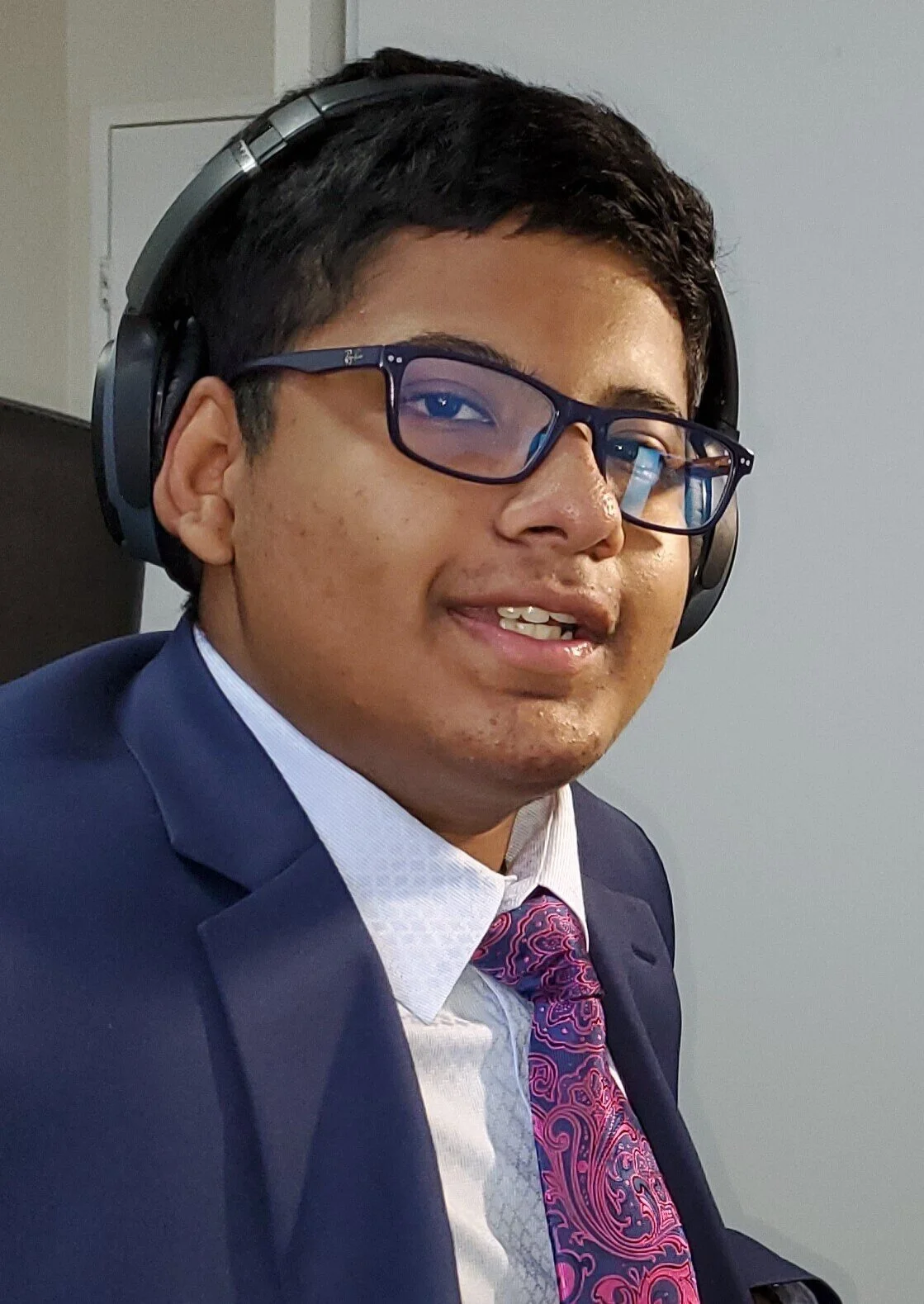
Today, we highlight the work of Ahnaf Al Habib (13 years old), Emma Felices-Costello (12 years old), and Jacob Birchnall (17 years old), three members of the CHILD-BRIGHT community who, on October 8, addressed the United Nations Committee on the Rights of the Child (CRC) during the children’s meeting for Canada. The meeting was part of the 87th pre-session of the United Nations (UN) Committee on the Rights of the Child and represents one important step in the cycle of reviews that the UN does to verify how countries are effectively implementing the rights of children.

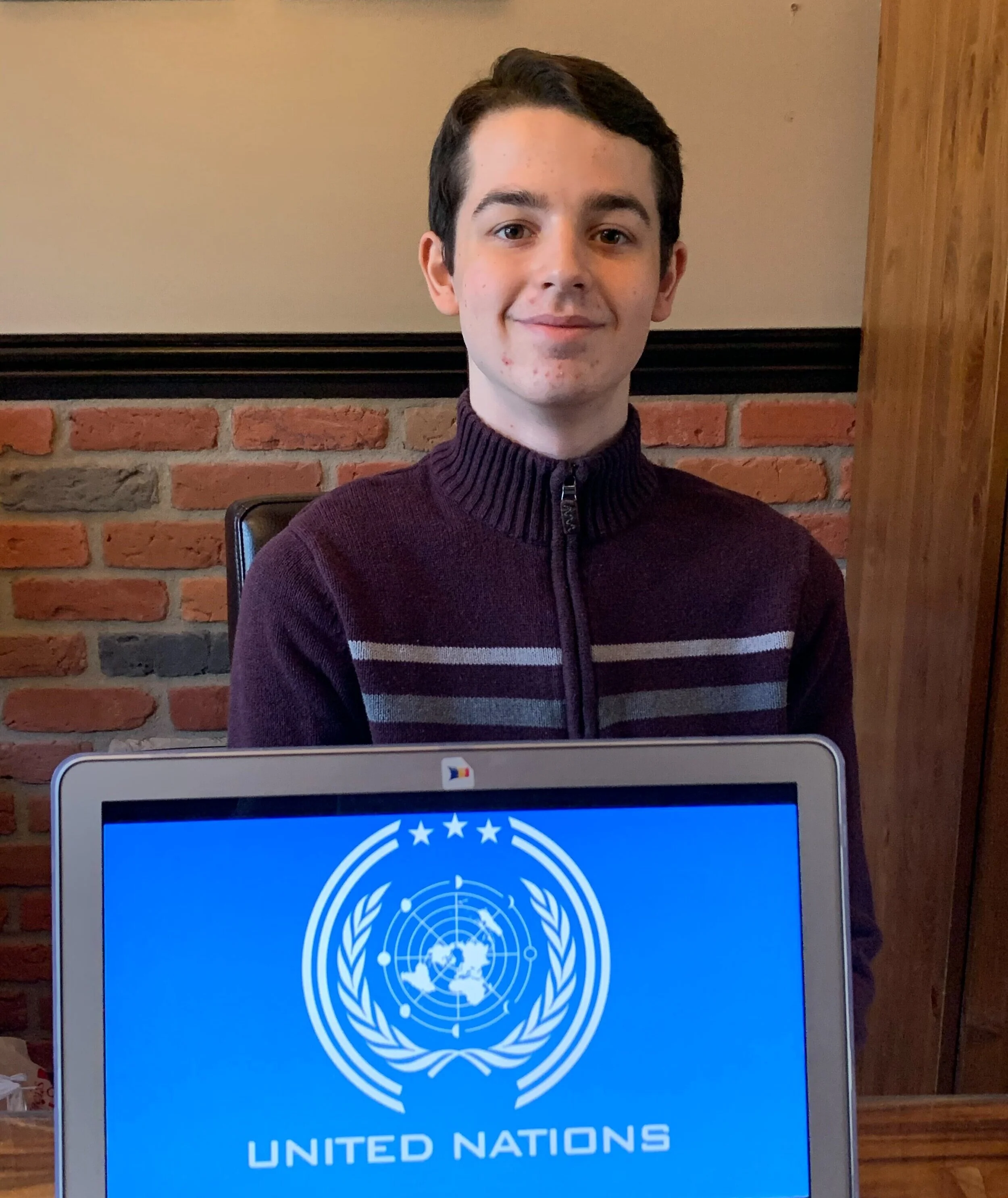
Jacob Birchnall

Jacob Birchnall

This meeting, hosted in Geneva but held online due to the COVID-19 pandemic, was a dedicated and closed meeting for Canadian youth, including youth with disabilities and youth representing diverse groups in Canada, to share their thoughts, perspectives and recommendations on issues relating to the implementation of the Convention on the Rights of Children in Canada, and to identify challenges that youth currently face relating to having their rights respected.

In total, youth from five children’s rights advocacy organizations from across Canada participated in this meeting. Ahnaf, Emma, and Jacob spoke on behalf of the Participation and Knowledge Translation (KT) Lab, led by Dr. Keiko Shikako-Thomas, Canada Research Chair in Childhood Disabilities and CHILD-BRIGHT’s Knowledge Translation Program Co-Lead.

Here is a snapshot of the points raised by each of the youth.

Ahnaf.jpg
Ahnaf Al Habib

Ahnaf Al Habib

Ahnaf spoke to the barriers faced by individuals with physical impairments. “In Canada, many physically disabled individuals cannot access conventional public transit for an extensive period of time due to our exceptional weather, often causing blockages of entry points to traditional public transit (such as bus stops)… Individuals require door-to-door transportation methods. While these services are available in many municipalities for travel within the municipal border, there are few affordable services offered for inter-municipal transportation. This restricts a disabled individual's freedom of movement, a fundamental freedom,” he said. “Access to education is [also] limited by a shortage of accessible schools for children who require mobility devices such as wheelchairs, scooters, and walkers. [This] restricts an individual's school choice or inconveniences them into attending a school far from their primary residence… prohibit[ing] a disabled individual from enrolling in various vocational and otherwise special programs… interfering with the pursuit of certain careers.”

Emma.jpg
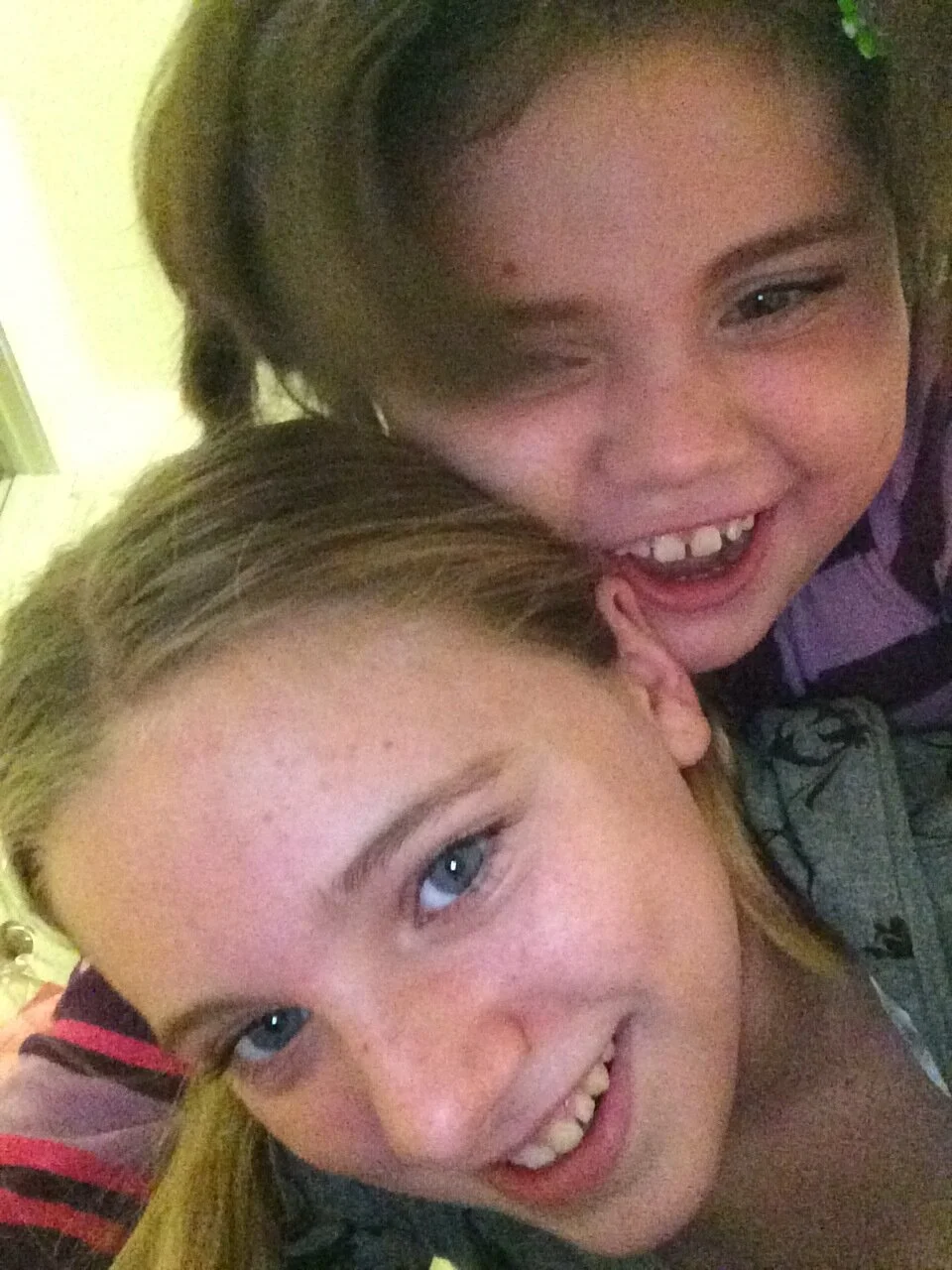
Emma Felices-Costello and sister Alej

Emma Felices-Costello and sister Alej

Emma is the sibling of a non-verbal younger sister with a profound intellectual disability. She spoke on behalf of ‘glass’ children—siblings of a child with special needs. “We are called “a glass child” because we are overlooked by the higher needs of our sibling,” says Emma. “It has been proven that a glass child has quite a bit more stress [when] thinking of the future. I am an extremely important part of [my sister] Alej’s life, because I am her closest friend. As well, once my parents die, me and my other sister will be supporting her and helping her make decisions. Because the siblings are so important, why is there no mention of them in the report about children with disabilities? There are direct mentions to parents, but there is no mention of other family members. It’s very common that the definition of family centered care only includes parents, both literally and figuratively, leaving siblings in the waiting room.”

Jacob.jpg
Jacob Birchnall (photo credit: Daniel Villeneuve)

Jacob Birchnall (photo credit: Daniel Villeneuve)

As a youth with autism, epilepsy and dyslexia, Jacob spoke to the importance of equal opportunities for youth with disabilities in Canada including the need for more part-time employment opportunities and increased training for both employers and employees to improve working conditions for these teens and to protect their human rights. “I want more help to understand and deal with discrimination,” he says. Jacob also expressed a need for more funding for special needs support and resources in the school system, and more flexible academic options to allow youth with disabilities—who often struggle more than their peers academically—to have better access to specialized programs such as Sport Etudes, or to help them achieve a better work/leisure balance. “I had to quit my favourite sport, speed skating, to study all night,” he shared. “Speed skating was important for me because it brought me joy and because I was competing at the provincial level.” 

Dr. Shikako-Thomas and Rachel Martens, one of the parent-partners on CHILD-BRIGHT’s Jooay project team and on the CHILD-BRIGHT Policy Hub— also reported about broader research and issues related to children with disabilities in the organization’s pre-session meeting that took place immediately after the youth meeting. This was done in collaboration with other parents, youth, and researchers from CHILD-BRIGHT as well as other networks.

This is the 7th report of Canada to the UN on the Convention on the Rights of Children, but it is the first time that youth with disabilities have had the opportunity to speak directly to the committee!” says Dr. Shikako-Thomas. “The youth rose to the occasion! By bringing their voices to this international stage, they raised awareness of issues that are uniquely important to them such as accessibility, participation in leisure, access to health and rehabilitation services, inclusive education, and opportunities to exert their citizenship and be respected. At CHILD-BRIGHT, we will continue to amplify their voices and do our part to create forums for youth to be active voices in these important discussions in Canada.
— Keiko Shikako-Thomas

What is the impact of these testimonials?

The UN CRC Committee generated a report based on the youth input, as well as on input received during a pre-session meeting with other stakeholder groups, and on reports produced by different Canadian children’s rights advocacy groups and organizations. The UN subsequently sent this report to the Government of Canada. As a follow up, the Public Health Agency of Canada invited the organizations and youth to participate together in a debrief session, which occurred in early November. The Canadian Human Rights Commission also invited youth and researchers to engage in a discussion on how we can ensure that the Convention on the Rights of Persons with Disabilities promotes the rights of children and youth with disabilities. Ahnaf and Jacob participated in this discussion and contributed wonderful insight. For example, when asked how they felt that Canada should monitor the implementation of the Convention, Jacob answered that for him, it should be done with the end goal of safety in mind, comparing it to an example in his own experience. “For me, with my epilepsy, we have a device at home that we place under my mattress at night that beeps if I have a seizure. This alerts my mom and dad that they have to come keep me safe. That’s what monitoring looks like to me. It lets people know when I need help.”

Next steps

The Public Health Agency of Canada (PHAC) is the governmental agency responsible for compiling the formal report detailing how Canada is implementing the Convention for the Rights of Children to the UN; the Canadian Human Rights Commission (CHRC) is responsible for the Convention on the Rights of Persons with Disabilities (CRPD). They are expected to follow up on the recommendations put forward by our youth and researchers via reports to the UN. They are also expected to make decisions, create new programs, inform budgeting allocations, and identify the needs and gaps that must be addressed to make these rights a reality in Canada.

The CHILD-BRIGHT community will continue to participate in the process by providing scientific evidence that can inform policies. 

We want to thank all youth members not only for their testimonials to the committee, but for opening up about personal issues to them. Their commitment will help advance human rights work for children in Canada going forward.

For more on Canada’s contribution, you can view the List of issues in relation to the combined fifth and sixth reports of Canada, published by the Committee on the Rights of the Child, as well as the Consideration of State Reports and List of Issues Prior to Reporting (LOIPR) of all participating countries.

For more information on how the report process works and how to get involved, you can consult the CHILD-BRIGHT Policy Hub Infographic.