
Celebrating Youth Voices at the United Nations’ Committee on the Rights of the Child

 
Français

November 20 is National Child Day and on this important day for our network, we wish to acknowledge and highlight the crucial role that youth members play in our network and in advancing our mandate of improving health outcomes for children with brain-based developmental disabilities and their families.

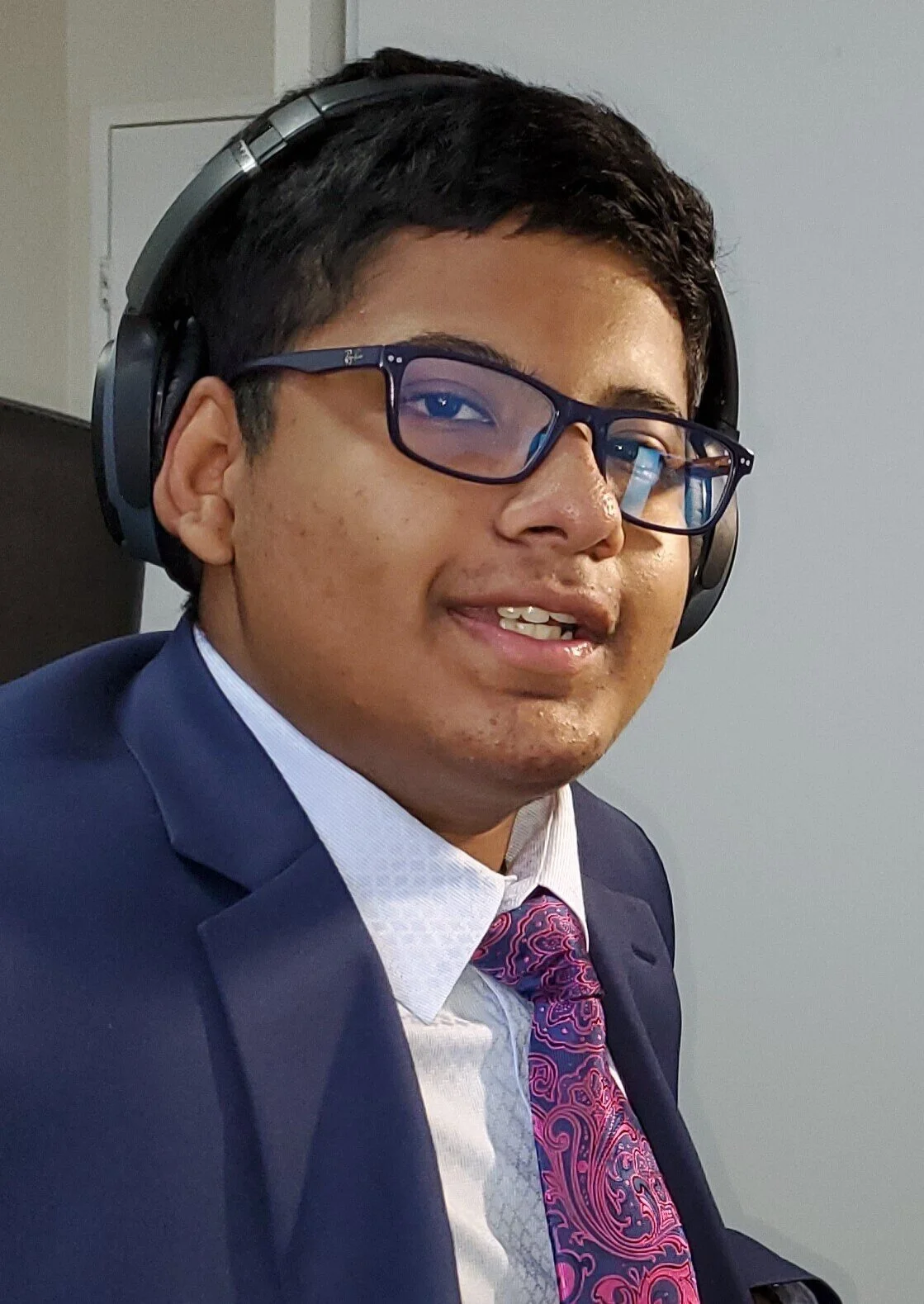
Today, we highlight the work of Ahnaf Al Habib (13 years old), Emma Felices-Costello (12 years old), and Jacob Birchnall (17 years old), three members of the CHILD-BRIGHT community who, on October 8, addressed the United Nations Committee on the Rights of the Child (CRC) during the children’s meeting for Canada. The meeting was part of the 87th pre-session of the United Nations (UN) Committee on the Rights of the Child and represents one important step in the cycle of reviews that the UN does to verify how countries are effectively implementing the rights of children.
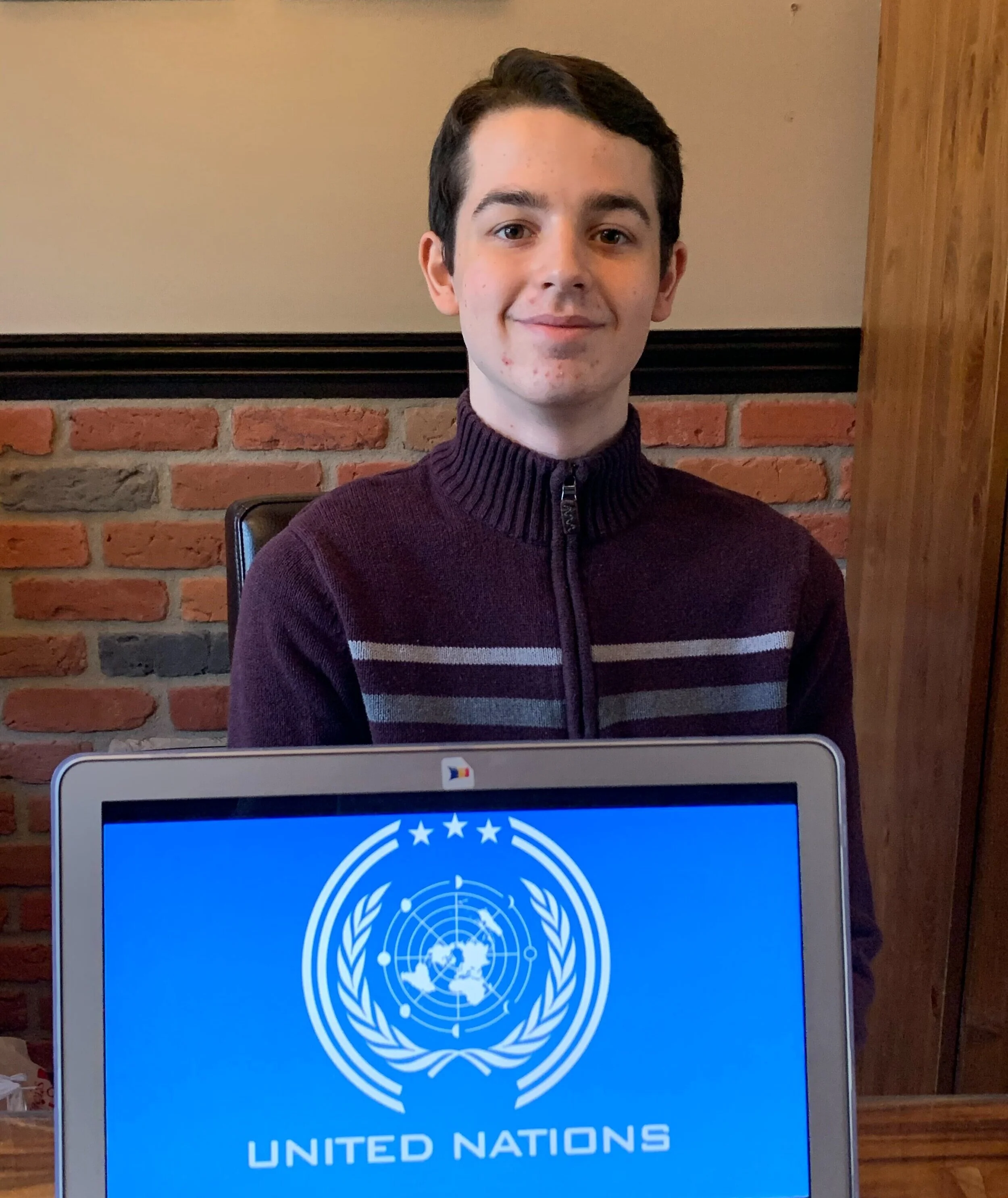
Jacob Birchnall

Jacob Birchnall

This meeting, hosted in Geneva but held online due to the COVID-19 pandemic, was a dedicated and closed meeting for Canadian youth, including youth with disabilities and youth representing diverse groups in Canada, to share their thoughts, perspectives and recommendations on issues relating to the implementation of the Convention on the Rights of Children in Canada, and to identify challenges that youth currently face relating to having their rights respected.

In total, youth from five children’s rights advocacy organizations from across Canada participated in this meeting. Ahnaf, Emma, and Jacob spoke on behalf of the Participation and Knowledge Translation (KT) Lab, led by Dr. Keiko Shikako-Thomas, Canada Research Chair in Childhood Disabilities and CHILD-BRIGHT’s Knowledge Translation Program Co-Lead.

Here is a snapshot of the points raised by each of the youth.

Ahnaf.jpg
Ahnaf Al Habib

Ahnaf Al Habib

Ahnaf spoke to the barriers faced by individuals with physical impairments. “In Canada, many physically disabled individuals cannot access conventional public transit for an extensive period of time due to our exceptional weather, often causing blockages of entry points to traditional public transit (such as bus stops)… Individuals require door-to-door transportation methods. While these services are available in many municipalities for travel within the municipal border, there are few affordable services offered for inter-municipal transportation. This restricts a disabled individual's freedom of movement, a fundamental freedom,” he said. “Access to education is [also] limited by a shortage of accessible schools for children who require mobility devices such as wheelchairs, scooters, and walkers. [This] restricts an individual's school choice or inconveniences them into attending a school far from their primary residence… prohibit[ing] a disabled individual from enrolling in various vocational and otherwise special programs… interfering with the pursuit of certain careers.”

Emma.jpg
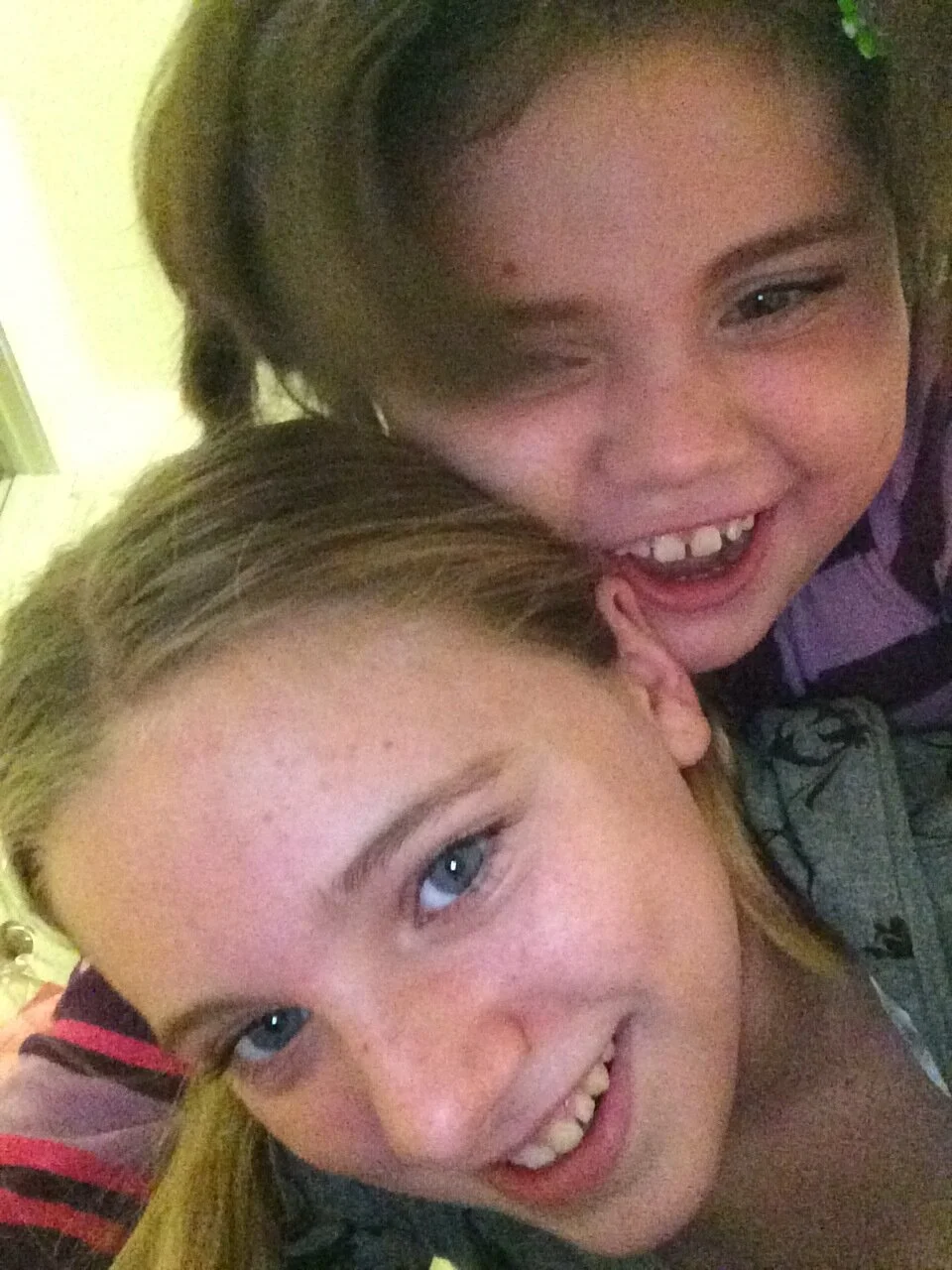
Emma Felices-Costello and sister Alej

Emma Felices-Costello and sister Alej

Emma is the sibling of a non-verbal younger sister with a profound intellectual disability. She spoke on behalf of ‘glass’ children—siblings of a child with special needs. “We are called “a glass child” because we are overlooked by the higher needs of our sibling,” says Emma. “It has been proven that a glass child has quite a bit more stress [when] thinking of the future. I am an extremely important part of [my sister] Alej’s life, because I am her closest friend. As well, once my parents die, me and my other sister will be supporting her and helping her make decisions. Because the siblings are so important, why is there no mention of them in the report about children with disabilities? There are direct mentions to parents, but there is no mention of other family members. It’s very common that the definition of family centered care only includes parents, both literally and figuratively, leaving siblings in the waiting room.”

Jacob.jpg
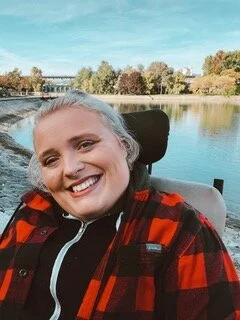
Jacob Birchnall (photo credit: Daniel Villeneuve)

Jacob Birchnall (photo credit: Daniel Villeneuve)

As a youth with autism, epilepsy and dyslexia, Jacob spoke to the importance of equal opportunities for youth with disabilities in Canada including the need for more part-time employment opportunities and increased training for both employers and employees to improve working conditions for these teens and to protect their human rights. “I want more help to understand and deal with discrimination,” he says. Jacob also expressed a need for more funding for special needs support and resources in the school system, and more flexible academic options to allow youth with disabilities—who often struggle more than their peers academically—to have better access to specialized programs such as Sport Etudes, or to help them achieve a better work/leisure balance. “I had to quit my favourite sport, speed skating, to study all night,” he shared. “Speed skating was important for me because it brought me joy and because I was competing at the provincial level.” 

Dr. Shikako-Thomas and Rachel Martens, one of the parent-partners on CHILD-BRIGHT’s Jooay project team and on the CHILD-BRIGHT Policy Hub— also reported about broader research and issues related to children with disabilities in the organization’s pre-session meeting that took place immediately after the youth meeting. This was done in collaboration with other parents, youth, and researchers from CHILD-BRIGHT as well as other networks.

This is the 7th report of Canada to the UN on the Convention on the Rights of Children, but it is the first time that youth with disabilities have had the opportunity to speak directly to the committee!” says Dr. Shikako-Thomas. “The youth rose to the occasion! By bringing their voices to this international stage, they raised awareness of issues that are uniquely important to them such as accessibility, participation in leisure, access to health and rehabilitation services, inclusive education, and opportunities to exert their citizenship and be respected. At CHILD-BRIGHT, we will continue to amplify their voices and do our part to create forums for youth to be active voices in these important discussions in Canada.
— Keiko Shikako-Thomas

What is the impact of these testimonials?

The UN CRC Committee generated a report based on the youth input, as well as on input received during a pre-session meeting with other stakeholder groups, and on reports produced by different Canadian children’s rights advocacy groups and organizations. The UN subsequently sent this report to the Government of Canada. As a follow up, the Public Health Agency of Canada invited the organizations and youth to participate together in a debrief session, which occurred in early November. The Canadian Human Rights Commission also invited youth and researchers to engage in a discussion on how we can ensure that the Convention on the Rights of Persons with Disabilities promotes the rights of children and youth with disabilities. Ahnaf and Jacob participated in this discussion and contributed wonderful insight. For example, when asked how they felt that Canada should monitor the implementation of the Convention, Jacob answered that for him, it should be done with the end goal of safety in mind, comparing it to an example in his own experience. “For me, with my epilepsy, we have a device at home that we place under my mattress at night that beeps if I have a seizure. This alerts my mom and dad that they have to come keep me safe. That’s what monitoring looks like to me. It lets people know when I need help.”

Next steps

The Public Health Agency of Canada (PHAC) is the governmental agency responsible for compiling the formal report detailing how Canada is implementing the Convention for the Rights of Children to the UN; the Canadian Human Rights Commission (CHRC) is responsible for the Convention on the Rights of Persons with Disabilities (CRPD). They are expected to follow up on the recommendations put forward by our youth and researchers via reports to the UN. They are also expected to make decisions, create new programs, inform budgeting allocations, and identify the needs and gaps that must be addressed to make these rights a reality in Canada.

The CHILD-BRIGHT community will continue to participate in the process by providing scientific evidence that can inform policies. 

We want to thank all youth members not only for their testimonials to the committee, but for opening up about personal issues to them. Their commitment will help advance human rights work for children in Canada going forward.

For more on Canada’s contribution, you can view the List of issues in relation to the combined fifth and sixth reports of Canada, published by the Committee on the Rights of the Child, as well as the Consideration of State Reports and List of Issues Prior to Reporting (LOIPR) of all participating countries.

For more information on how the report process works and how to get involved, you can consult the CHILD-BRIGHT Policy Hub Infographic.

Learning About Research Data | Part 2 – It Takes a Village: Understanding the Roles of Different Stakeholders in Research

Français

Welcome to our Learning About Research Data blog series! Through these blog posts, co-authored by our new partners at PolicyWise for Children & Families, we aim to demystify data sharing and data management in research. Headquartered in Alberta, where our national CHILD-BRIGHT Data Coordinating Centre is also based, PolicyWise is a not-for-profit organization that mobilizes and integrates evidence to inform policies and service delivery with the goal of improving the well-being of children and families. PolicyWise also manages an online platform that allows researchers to easily store and share research data about study participants while maintaining privacy and confidentiality. 

 
Part 2 – It Takes a Village: Understanding the Roles of Different Stakeholders in Research

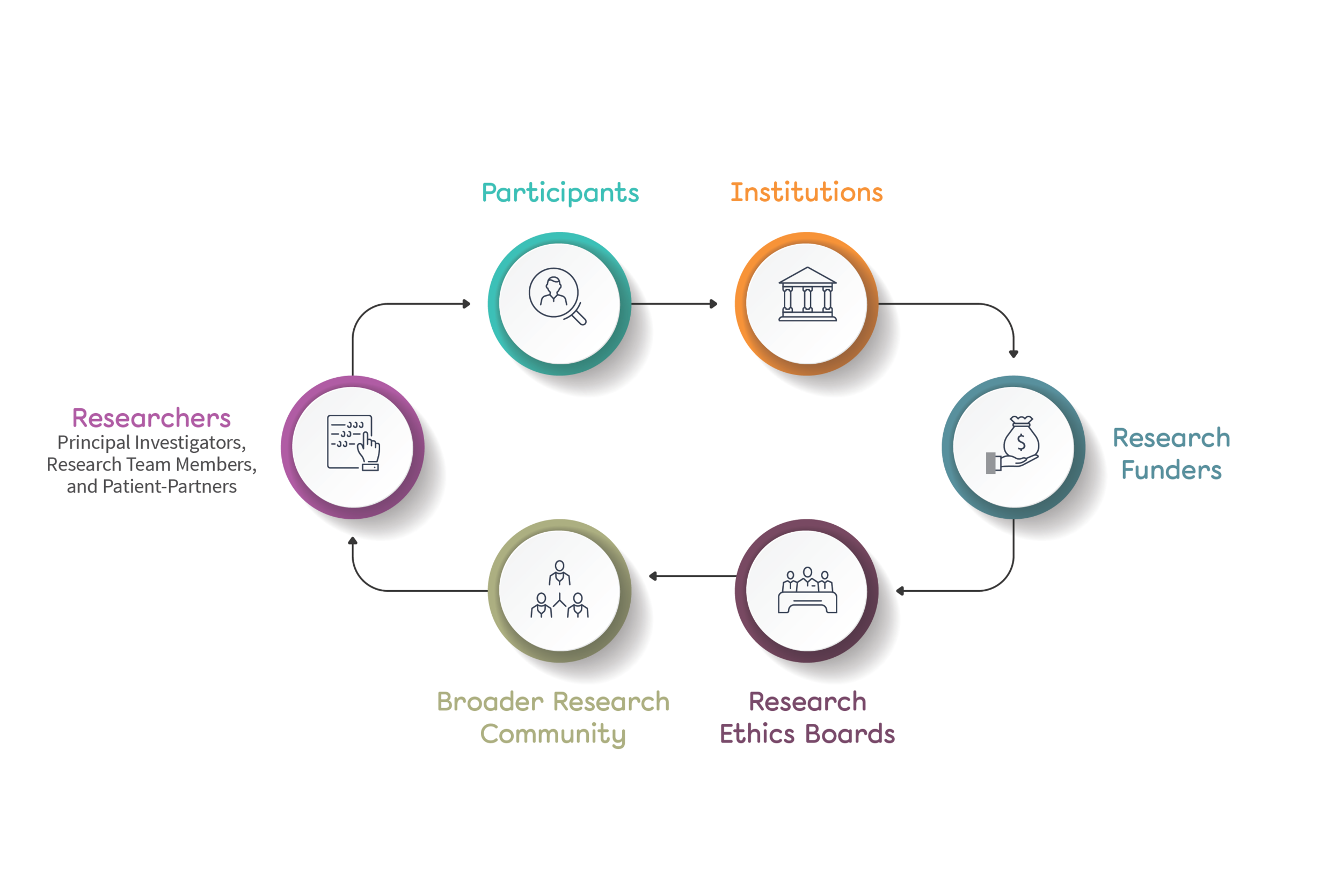
Conducting research is always a team effort. That's especially true when it comes to types of research that involve human participants and their data. Such research is logistically complex and requires a high level of due diligence to ensure it is rigorous and conducted in a safe and ethical manner. Understanding who the key players, or stakeholders, are in research is important foundational knowledge for understanding more advanced topics in reusing data, some of which will be discussed later in this blog series. Below, we will describe the roles of 6 key stakeholder groups that help drive research forward and highlight where they intersect with data sharing.

Data blog stakeholders_v4.png

Researchers: Principal Investigators, Research Team Members, and Patient-Partners

Researchers_no title.jpg

The primary researcher, or the Principal Investigator (PI), is the person who takes the lead in a study. A PI usually leads the design of a study, including developing a grant proposal to secure funding and working out the details around data collection. The PI is also responsible for submitting the study to an ethics board for approval. The PI must be qualified to lead and conduct a study, both in terms of experience and education. The topic of research at hand is often part of their life’s work, with the study making up one of many pieces to a bigger puzzle in their field of study.

Importantly, the PI does not work alone. They lead a team of researchers and staff to complete a study. Research teams are often composed of researchers from a variety of disciplines, including some with content expertise on the medical condition being researched, some with expertise in methodologies such as medical imaging or interpreting genetic information, and others who are experts in statistics.

In recent years, and especially since the establishment of the Canadian Institutes of Health Research’s (CIHR) Strategy for Patient-Oriented Research (SPOR) program, health researchers have begun engaging those with lived experience as partners in research. A patient-partner is an individual with lived experience of a health condition as a patient, family member of a patient, or caregiver of a patient, and they can provide valuable insights as a member or advisor on a research team. Patient-oriented research actively involves patients and their families in “governance, priority setting, developing the research questions, and even performing certain parts of the research itself.” This novel way of involving patients as partners makes the research more relevant and paves the way for research findings to be shared with those whom it impacts most.

Participants

Participants_no title.jpg

The key component to research involving humans is—you guessed it—people! Most advances in health research would not be possible without studying how innovations fare in the real world, with real people and patients volunteering to participate. The role of the participants has evolved significantly over time, with participants more empowered today to contribute their perspectives to the research than in the past. Respect for research participants is now enshrined in policies like the Tri-Council Policy Statement (TCPS2), and a research ethics board (REB) will ensure these policies are upheld (more about TCPS2 and REBs below). The possible risks and benefits of participating vary from study to study, but participating as a research participant is a great way of contributing to the advancement of modern research.


Institutions

Institutions_no title.jpg

The university or hospital where the PI works plays a key, although often hidden, part in the research process. Just like a chef needs a restaurant to sustain their craft, research would be nearly impossible without the support of research institutions. They provide physical spaces like clinics and laboratories, and equipment like magnetic resonance imaging (MRI) scanners. Institutions also provide staff that support researchers on a wide range of administrative matters, such as legal and financial services and systems and infrastructure for secure data collection. With this institutional support on hand, researchers can spend more of their time focusing on research. Investigators are also often employees of the institution and teach and/or provide clinical care in parallel with conducting research.


Research Funders

Funders_no title.jpg

Research is an expensive endeavour. It requires expertise, infrastructure, and materials to reach an answer that can contribute to improving the well-being of patients and communities. Public funding is a significant source of financial support for Canadian researchers. Governments at various levels earmark money for research as a way of investing in the future, both in terms of social and economic goals. The Canadian Tri-Council is a prime example. The Tri-Council is composed of three federal agencies that provide funding for research in Canada. These three agencies are: the Canadian Institutes of Health Research (CIHR), the National Science and Engineering Council of Canada (NSERC), and the Social Sciences and Humanities Research Council of Canada (SSHRC). Over a billion dollars flow through these agencies to researchers every year!

The federal government is certainly not the only source of research funds in Canada. Take CHILD-BRIGHT for example: CHILD-BRIGHT is not only funded by CIHR, but also 28 non-federal funding partners from across Canada. These funding partners include hospital foundations, universities, and private industry. Their fundraising efforts, along with the contributions of individual donors, make a big difference to the advancement of research. Many funders are moving from encouraging to mandating the sharing of research data to increase the value of data collected from participants and to increase transparency.

Research Ethics Boards

REB_no title.jpg

A research ethics board (REB) has one of the most important roles in research. At any given institution, there may be multiple boards handling various areas of research, such as a board for animal research, a board for brain research, and a board for cancer research. REBs are composed of subject matter experts and community members who review research studies to ensure that they are feasible and conducted ethically. For example, an REB will review the research team’s process for recruiting potential participants to join a study. This process, called the informed consent process, is a cornerstone of clinical research. Informed consent ensures that: the research team educates potential participants about the study in understandable language, the potential participant understands the study and what is expected of them while participating, and that their participation is completely voluntary, among other points. 

An REB will also pay close attention to the details on data collection and data security. The Tri-Council requires every research study be reviewed and approved by an REB before enrolling participants. In Canada, the Tri-Council publishes a guideline called The Tri-Council Policy Statement (TCPS2), which stipulates how research involving humans must be conducted and defines standards of how research should be carried out.

Independence is key to the function of REBs. They must act without influence from investigators, funders, and others who may have real or perceived conflicts of interest related to the outcomes of a study. Overall, REBs work to ensure the safety of study participants by providing independent oversight of research from beginning to end, and ensuring that the research team complies with ethical guidelines.


The Broader Research Community

Community_no title.jpg

Research findings need to be shared to inform improvements in practice. Sharing between researchers and the broader research community occurs in many ways, including speaking at events like conferences and publishing in scientific and medical journals. By submitting their research methods and findings to conferences and journals, the broader community of researchers can challenge the work, if necessary, and provide constructive feedback. This process is critical in ensuring the validity of a study. When researchers submit their findings for publication in a journal, it is reviewed by other researchers who are not affiliated with the study, but are experts in the field. This is referred to as peer review.  More recently, some academic journals have added patients as reviewers in this process in an attempt to ensure the findings are relevant to patients and to make the research process more patient centric.

In recent years, some publishers have advanced the transition toward data sharing by requiring researchers make their study data available openly and publicly, or at least available upon a reasonable request. Sharing data in this way is akin to adding a layer of crowd-sourced oversight to research to ensure that conclusions are reproducible, rigorous, and impactful. So, by disseminating their results in these different arenas such as conferences and journals, researchers can build upon each other’s work and advance scientific knowledge, all while building future collaborations.


Summary

Primary researchers, research teams, patient-partners, research participants, institutions and their employees, research ethics boards, and the broader research community are some of the key stakeholders in research. However, there are many more under-appreciated professionals behind the scenes who handle other aspects, such as by resolving intellectual property issues, testing blood samples, or conducting data analysis. It really does take a village to make research happen, with each contributor bringing their unique skills to a research project to collectively bring it to fruition. We hope that the information in this post serves as a general orientation of the key stakeholders in research, but also as a resource for future blog posts about important considerations with reusing data in research.

For more information about the roles that these stakeholders play in research, check out Module 1 from the Patient-Oriented Research Curriculum in Child Health.

Read Part 1 of this series, on the reuse of research data, here

CHILD-BRIGHT Conversations: Getting To Know Our Patient-Partners | A Big Lightbulb Moment

Français

As a patient-oriented research network, CHILD-BRIGHT’s success hinges on active partnerships and meaningful collaborations between our members, from patients and their families to researchers, health professionals, and decision-makers in health care. Across the network, around 70 patient-partners regularly collaborate on research projects, sit on committees, and actively contribute to the research on childhood brain-based developmental disabilities happening across Canada.

This series is a result of conversations that took place earlier in 2020 with five of our patient-partners. By sharing the experiences and motivations of some of CHILD-BRIGHT’s partners, we hope to stimulate ever-growing connections across our projects, programs, and committees, and better understand the variety of experiences that these individuals bring to bear on their partnerships with us. First up is our conversation with Sharon McCarry, which took place in January.

Sharon McCarry PP Conversation.png

A Big Lightbulb Moment

“A big lightbulb moment.” That is how Sharon McCarry describes the impetus for her decision to join the Strongest Families ND program three years ago.

It was a moment that was a long time in the making. After giving birth to her younger son Colm in 2003, she began to notice, with some concern, that he was not hitting developmental milestones at the same pace that her older son had. So began a long and winding road to receiving his autism diagnosis. It was during the diagnostic process that she was asked to join the Pathways in Autism Spectrum Disorder (ASD) study, one of the world’s largest and longest-running studies of the development over time of children with ASD. The diagnosis was finally confirmed in 2006, when Colm was three and a half years old. 

Through her involvement with the Pathways study, in 2016 Sharon was asked to sit on a conference panel about the provision and navigation of services provided by governments and community organizations for families with children with ASD and other disabilities. The day of the panel, as she took part in the discussion about the benefits and challenges of delivering services, she realized there was a missing piece in the conversation. It felt very one-sided. 

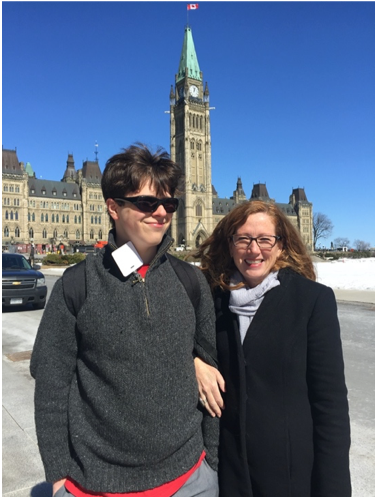
(Pictured: Sharon and Colm in Ottawa in 2019)

(Pictured: Sharon and Colm in Ottawa in 2019)

“No one was talking about policy and what that means for longevity,” Sharon explained. She asked a pointed question at the end of day summary: Of the research being done, planned or discussed, was any of it going to be linked back to policy changes that would change the lives of the children being studied? The answer was no, so she replied: “If it’s not making change, why are we doing it?”

Lucyna Lach, one of the Principal Investigators of the CHILD-BRIGHT Strongest Families Neurodevelopmental Program, was a participant that day. Lucy later contacted her and invited her to partner with the program. Strongest Families ND explores whether emotional and behavioural regulation can be improved in children with neurodevelopmental disabilities through a parenting program that includes telephone support, paraprofessional-to-parent coaching, and education and resource information sharing.

It’s been a rewarding experience for Sharon, for whom the research world has at times been isolating and frustrating. She says she has found a different community and attitude altogether at Strongest Families, where along with other people from across Canada she sits on the Parent Advisory Committee: “I love the fact that we get together with a diverse group of very strong advocates from across the country, and we are being not talked down to,” she shared. 

“We’re changing the way that [patient-partners and researchers] are actually communicating. We’re trying to make sure that we are partners in the real sense, and that it’s not just one-sided, and I think that really makes a difference.” 

That partnership and active and open exchange are important since, as Sharon points out, parents of children with disabilities don’t always feel heard when interacting with medical professionals or academics: “That’s just life when you’re raising a child who’s mostly non-verbal,” she says. “I think that is how a lot of parents of kids with special or complex needs feel. We can experience that our children are invisible.”

Mother and patient-partner are only a few of the hats that Sharon wears in her own life, however. Following a successful career as a marketing director, after Colm’s diagnosis she founded Coco’s Place at The Little Red Playhouse (La Fondation Place Coco) in 2008.  She relaunched the defunct Little Red Playhouse, a parent co-operative in Montreal West that had welcomed Colm two mornings a week with an aide when she was looking for a program that would allow him to socialize in his early years.

Since then, Coco’s Place has become a not-for-profit, federally registered children's charity and manages the Little Red Playhouse,  now an inclusive preschool with a program that welcomes neurotypical children and children with ASD or language disorders. Their core program runs until 1 p.m., after which they offer Applied Behaviour Analysis (ABA), speech and language pathology, and occupational therapy programs on an optional basis.

After 12 years at the helm, Sharon has seen the impact the program has had on the children and their siblings. Many of the neurotypical children who took part in the program are making choices to embark upon health care or research career paths, she says, choices influenced by the preschool’s integration of neurotypical children and children with ASD according to their parents. “It’s really, really cool, to see the empathy that you created,” she shares. “Because they don’t see a disability, they just see kids.”

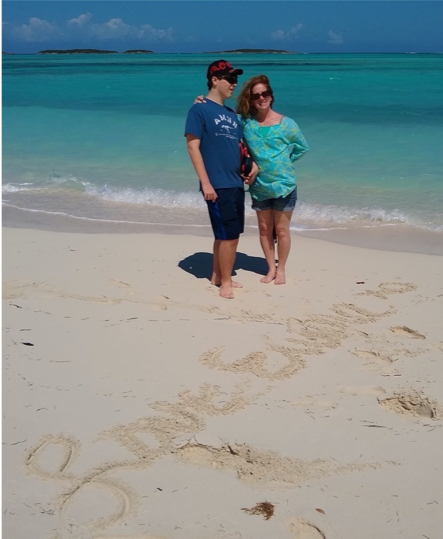
(Pictured: Sharon and her son Colm visit her uncle in Exuma, the Bahamas.)

(Pictured: Sharon and her son Colm visit her uncle in Exuma, the Bahamas.)

Sharon has big plans for the future, too. Colm is now 16, and her advocacy work has shifted in focus. She has been working towards a community housing project for people with autism, as well as a program for older people with ASD. Policy and public service work are still a priority for her as well. She was recently appointed by the Minister of National Revenue to be a committee member on the federal Disability Advisory Committee for a 36-month term. And here at CHILD-BRIGHT, she continues her work with Strongest Families’ Parent Advisory Committee, of which she now has been a member for over three years.

Through it all, her belief in the importance of parents “giving back to the academic community” has persisted: “Our voice adds a richness to academia that wasn’t necessarily considered before these initiatives [like CHILD-BRIGHT] started happening. I do think richness in a conversation means more inclusion, and that’s something I think that is very important,” she explains.

Finally, as a mother who lived through the early years of early intervention, she emphasizes how Strongest Families offers hope to parents: “We talk about hope for parents of newly diagnosed children, and how we can communicate that the effort put into early intervention ends up having greater outcomes. That’s really something important, as is the hope that we’re giving parents that life can get better and possibly easier. Hope is very important.”

Thank you to Sharon for sharing her thoughts with us and allowing us to learn more about her journey and the perspective that she brings to our research network. Interested in joining our network? Contact us.


World CP Day: How CHILD-BRIGHT Members are “Making Their Mark”

Français
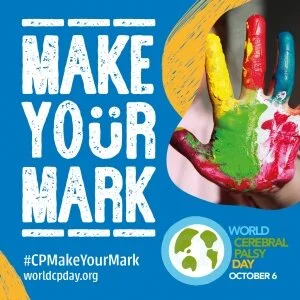
Make-Your-Mark-Social-Media-Post-1-300x300.jpg

Today is World CP Day! This year’s theme is “Make Your Mark”, in recognition of the many ways that people with cerebral palsy (CP) deal with change, break down barriers, and come up with creative solutions, whether it be as a result of COVID-19 or in everyday life.

In light of this theme, we wanted to highlight the amazing work done by some of our CHILD-BRIGHT Network members with CP! Read on to find out how three of our members “made their mark” this year.


How Kent Cadogan Loftsgard Made His Mark

Line.jpg
Pictured: Kent Cadogan Loftsgard, CHILD-BRIGHT Patient-Partner and Training Committee Member

Pictured: Kent Cadogan Loftsgard, CHILD-BRIGHT Patient-Partner and Training Committee Member

Caring early-childhood treatment for congenital cerebral palsy and pediatric asthma at the BC Children’s Hospital taught Kent more by demonstration than by declaration about the very same positive principles of patient-centered practice that CHILD-BRIGHT promotes. Exemplary interdisciplinary teams inspired Kent to put health care at the center of much of his professional life. Trained in paramedicine as a teenager, and later in health specialty broadcast/print journalism, communications production, and publishing, Kent now combines his diverse experience in clinical education and health research to complement the collaborative work of CHILD-BRIGHT. He recently led a training session presented by the 2020 CHILD-BRIGHT Summer Studentship Program.

In response to the lesser-known but ongoing impacts of the COVID-19 pandemic, Kent also made his mark earlier this year by speaking up on behalf of home and community care staff whose integral role in the health care system has too often been left underreported. In a requested submission to the Strategy For Patient-Oriented Research Evidence Alliance newsletter, Kent wrote:

The full spectrum of all health care heroes whose diligent determination to persistently honor their professional pledge, by putting themselves at reasonable risk for the good of patients and the public, definitely deserve to be more routinely recognized.

 Read Kent’s call to remember the ‘rear guard’ of health care here.

How Lena Faust Made Her Mark

Line.jpg
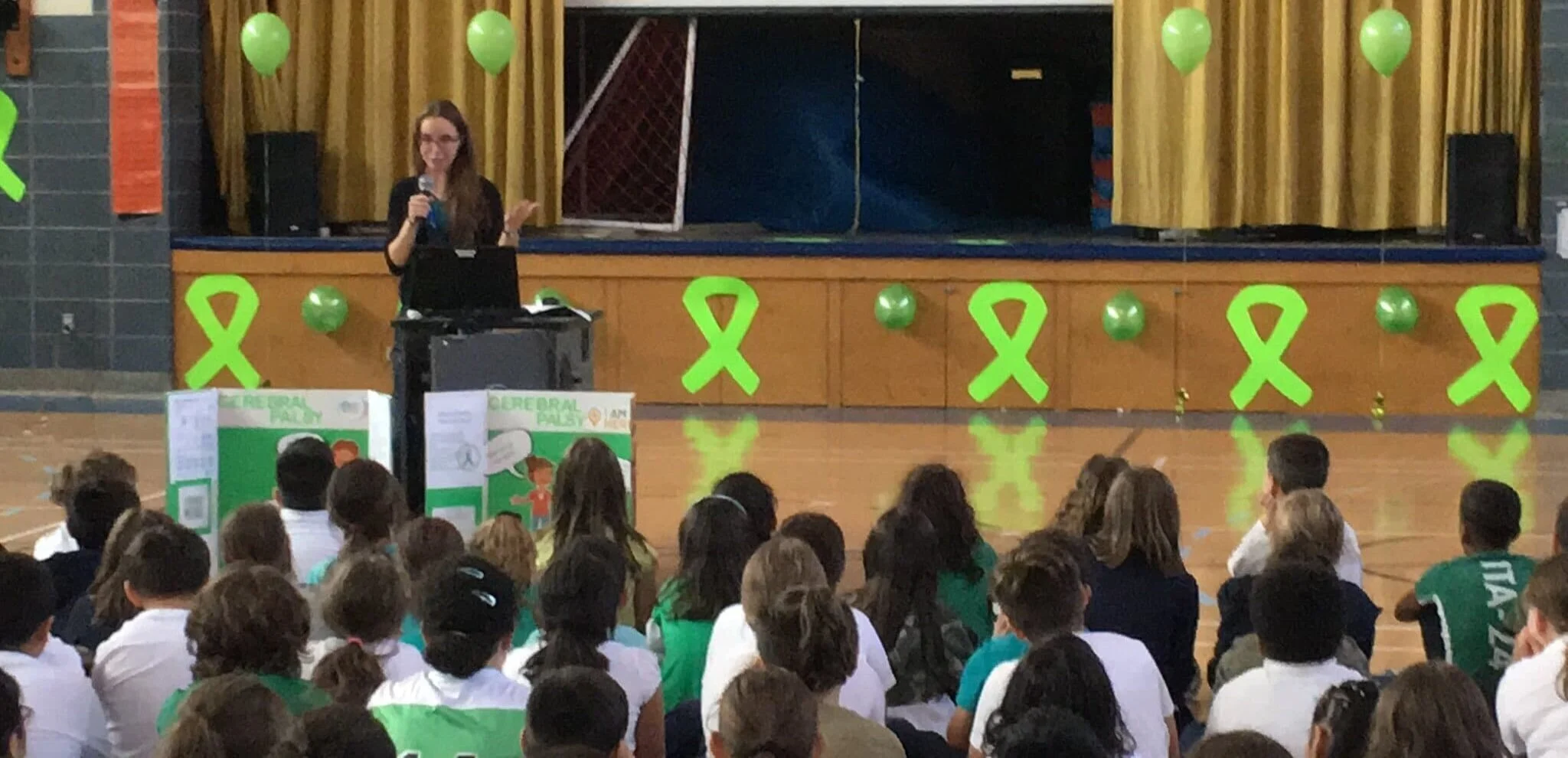
Pictured: Lena Faust speaking at an elementary school in recognition of World CP Day 2019

Pictured: Lena Faust speaking at an elementary school in recognition of World CP Day 2019

Lena Faust is a member of our National Youth Advisory Panel. She is a PhD student at McGill University and the McGill International Tuberculosis Centre. On World CP Day last year, Lena led a talk during a day of learning about cerebral palsy at an elementary school in the Montreal area. This year, in the spirit of #CPMoveAsOne, an initiative by the World CP Day organization in partnership with the Cerebral Palsy International Sports and Recreation Association (CPISRA) to promote the benefits of sport and physical activity on the quality of life for people with cerebral palsy, two children with CP at the school had planned to organize a walk for families in their community, especially those with CP. Unfortunately, this event was cancelled due to COVID-19, but they hope to be back in 2021!

How Gillian Backlin Made Her Mark

Line.jpg
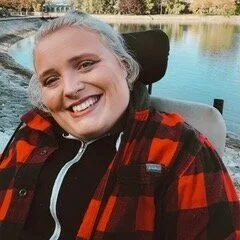
Pictured: NYAP member Gillian Backlin

Pictured: NYAP member Gillian Backlin

Gillian Backlin is a writer and member of our National Youth Advisory Panel with CP who runs the blog and shop Spastic AND Fantastic. She wrote to us: “Over the last year, I have made it my goal to start embracing my disability as part, but not all of, who I am. Self-acceptance has always been something I’ve struggled with, but I am comforted knowing I don’t struggle alone. With that in mind, I figured that sharing my story might not only help me process my emotions, but it may also help comfort or even educate others; that’s how my blog and shop Spastic AND Fantastic came to be! That’s how I make my mark.”

If you or your family member lives with cerebral palsy, or if you are a researcher trying to impact the lives of those living with CP, we want to know: How do you “Make Your Mark”? Comment below to join the conversation! 

CHILD-BRIGHT Youth Panel Members Launch a New National Consultation Service

Français

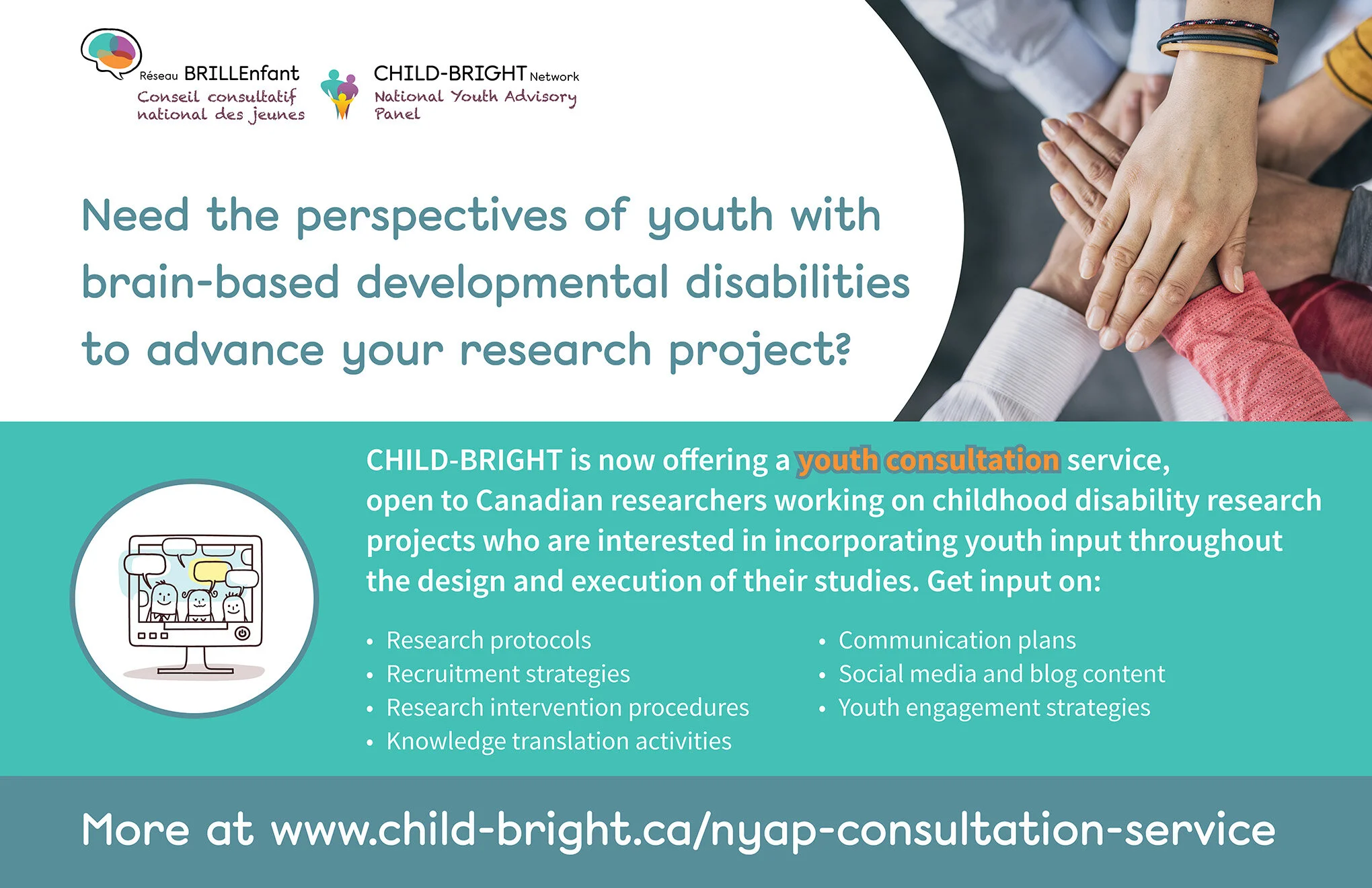
CHILD-BRIGHT is happy to launch a new consultation service, managed and led by our own network youth! 

After two years of advising CHILD-BRIGHT projects on optimizing youth engagement activities, CHILD-BRIGHT’s National Youth Advisory Panel members are today launching a new fee-based consultation service. Using this service, Canadian researchers working on childhood disability research projects not already funded by CHILD-BRIGHT can, like those researchers who are funded by CHILD-BRIGHT, get and integrate the perspectives of youth with brain-based developmental disabilities in their work, as they design and execute their studies.  

Learn more about our new consultation service

Hear from youth panel member Gillian Backlin on why seeking and integrating the perspectives of youth when doing research matters, and what consulting via our new service can bring to the table for Canadian researchers working on childhood disability projects.  

Gillian B photo (1).jpeg

Hello everyone! My name is Gillian Backlin and I am a member of the CHILD-BRIGHT National Youth Advisory Panel (NYAP). I live in Vancouver, BC and was thrilled to be invited to be the first member representing the West Coast. As a person with a disability who is well-versed in the health care world, I’ve always held an interest in patient involvement and advocacy; my other main interest is writing – for example, I have my own blog. It has always been a dream of mine to be able to combine both passions, so I’m excited to have the opportunity to write to you here and introduce a new NYAP offering that I have been involved in setting up: the CHILD-BRIGHT NYAP consultation service. 

In my two years working as a patient advocate in an official capacity (and a lifetime of advocating for my care), I have noticed an evolution in the health care research community. Researchers are discovering the value of listening to and integrating perspectives of youth like me, who are often directly impacted by the research study in question. 

shutterstock_367941671.jpg

In CHILD-BRIGHT’s case, we represent youth with brain-based developmental disabilities. The CHILD-BRIGHT NYAP was created to involve youth who have lived experience with brain-based developmental disabilities in developing research protocols, recruitment strategies and more. The panel, which I joined in January 2020, is composed of six Canadian youth members from all across the country, all of whom have different backgrounds, abilities, education, and skills. Our only similarity, aside from all having brain-based developmental disabilities, is our shared passion for youth involvement in research! 

We are committed to having the voices and perspectives of youth at the forefront of research that is meant for us. It is with this goal in mind that the NYAP is proud to introduce our consultation service. The consultation service is offered for a fee to provide advice to Canadian researchers working on childhood disability research projects who are not already funded by CHILD-BRIGHT.  

shutterstock_367941677.jpg

In my books, this is a win-win for the youth members of NYAP and researchers alike. On our end, we have the opportunity to potentially shape research that could impact others living with brain-based development disabilities. Meanwhile, childhood disability researchers will have the opportunity to consult with youth with disabilities who are currently involved in patient-oriented research as patient-partners or committee members.  

Given the diversity of the panel (you can learn more about my colleagues on the panel by reading their member profiles here), researchers can connect with those who can offer the most valuable information to their study. NYAP committee members can be consulted throughout different stages of research projects, from problem definition and study design, to recruitment strategies, survey and interview guide design, data analysis, and more. 

shutterstock_1042243357.jpg

By consulting youth members who represent those targeted through their research, researchers will have the ability to better confirm the validity of their research priorities and test whether the study or project in question is responding to the needs of youth with brain-based developmental disabilities. 

Because panel members are located in four different provinces, we also offer perspectives that have been shaped by the health care system in our own areas of residence, and we can incisively comment on the different experiences of moving through these systems. As a result, input from NYAP members offers many potential benefits for a research project involving youth with brain-based developmental disabilities.  

I can’t wait to see what consultation requests we receive, and what impact the service will have on research projects in Canada! Apply now to team up with the NYAP on your next research project. We look forward to working with you!