2018-19 Report to Community Now Available

Français

The CHILD-BRIGHT Network Report to Community for the fiscal year ending March 31, 2019 is now available.

Issuu is a digital publishing platform that makes it simple to publish magazines, catalogs, newspapers, books, and more online. Easily share your publications and get them in front of Issuu's millions of monthly readers.

Download the PDF

A special thank you to our financial partners for their ongoing contributions and commitment, and to all the patients, families, committee members, and CHILD-BRIGHT supporters who guide us in our work.

Our Report to Community is also available in French

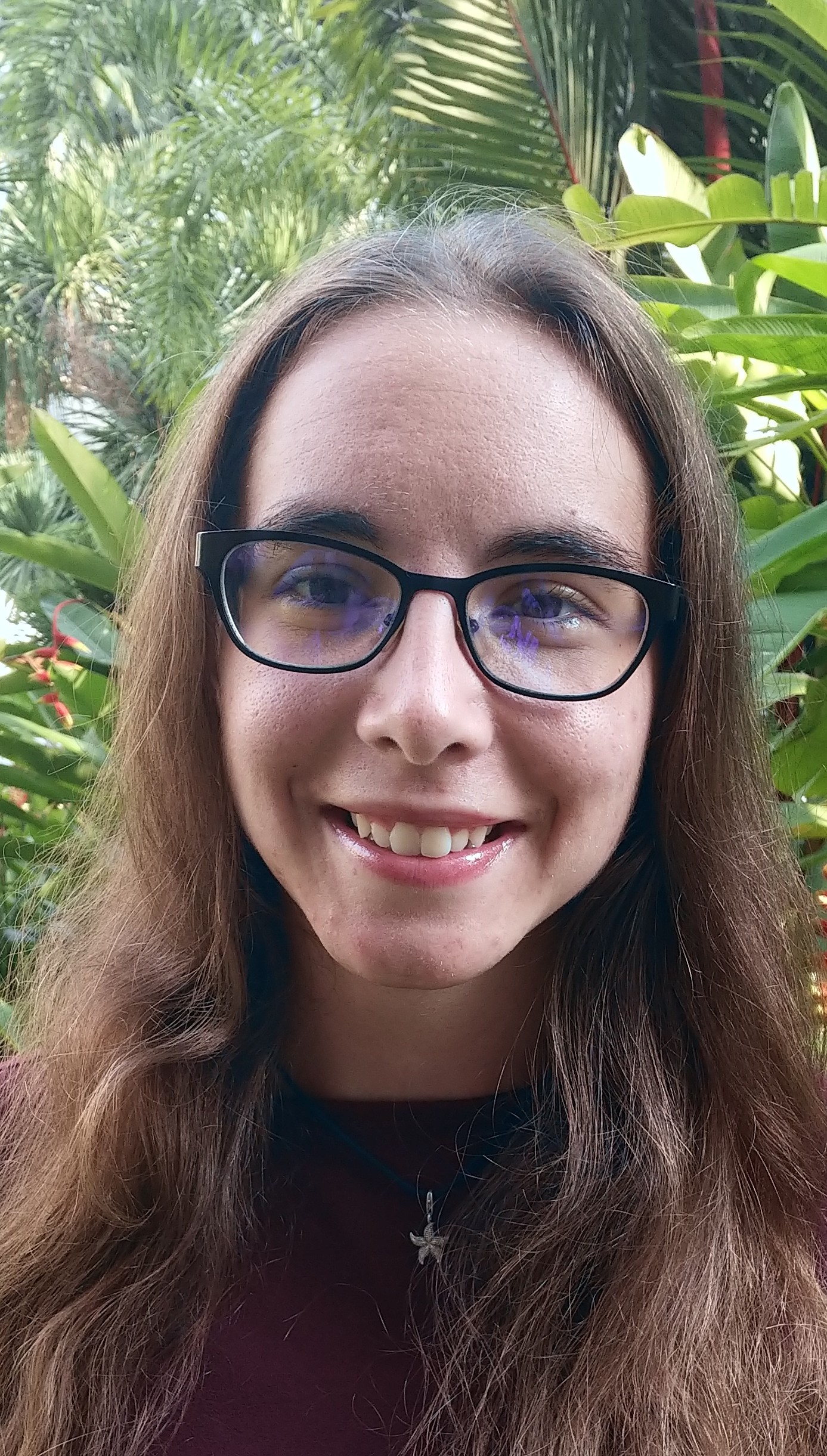
Meet Lena Faust, National Youth Advisory Panel Member

Français

We are thrilled to introduce the newest member of our National Youth Advisory Panel. To read more about this panel and its mandate, click here.

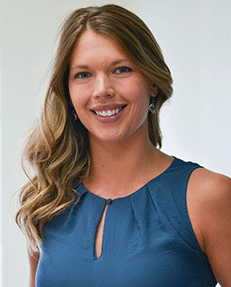
Lena Faust, 25

Line.png

WHAT ARE YOU STUDYING AND/OR WHAT ARE YOUR PROFESSIONAL AMBITIONS?

I am a Ph.D. student at McGill University and the McGill International Tuberculosis Centre. My research interests are in the area of infectious disease epidemiology, and my doctoral work will focus on tuberculosis (TB). TB is a disease I am particularly passionate about, as it is responsible for more deaths globally than any other infectious disease today, and its persistence underlines the deplorable disparities in health that we continue to see. I hope to continue working in this area, with the goal of producing research that facilitates evidence-based policymaking for infectious disease control and prevention.

WHAT ARE YOUR PASSIONS, INTERESTS, AND HOBBIES?

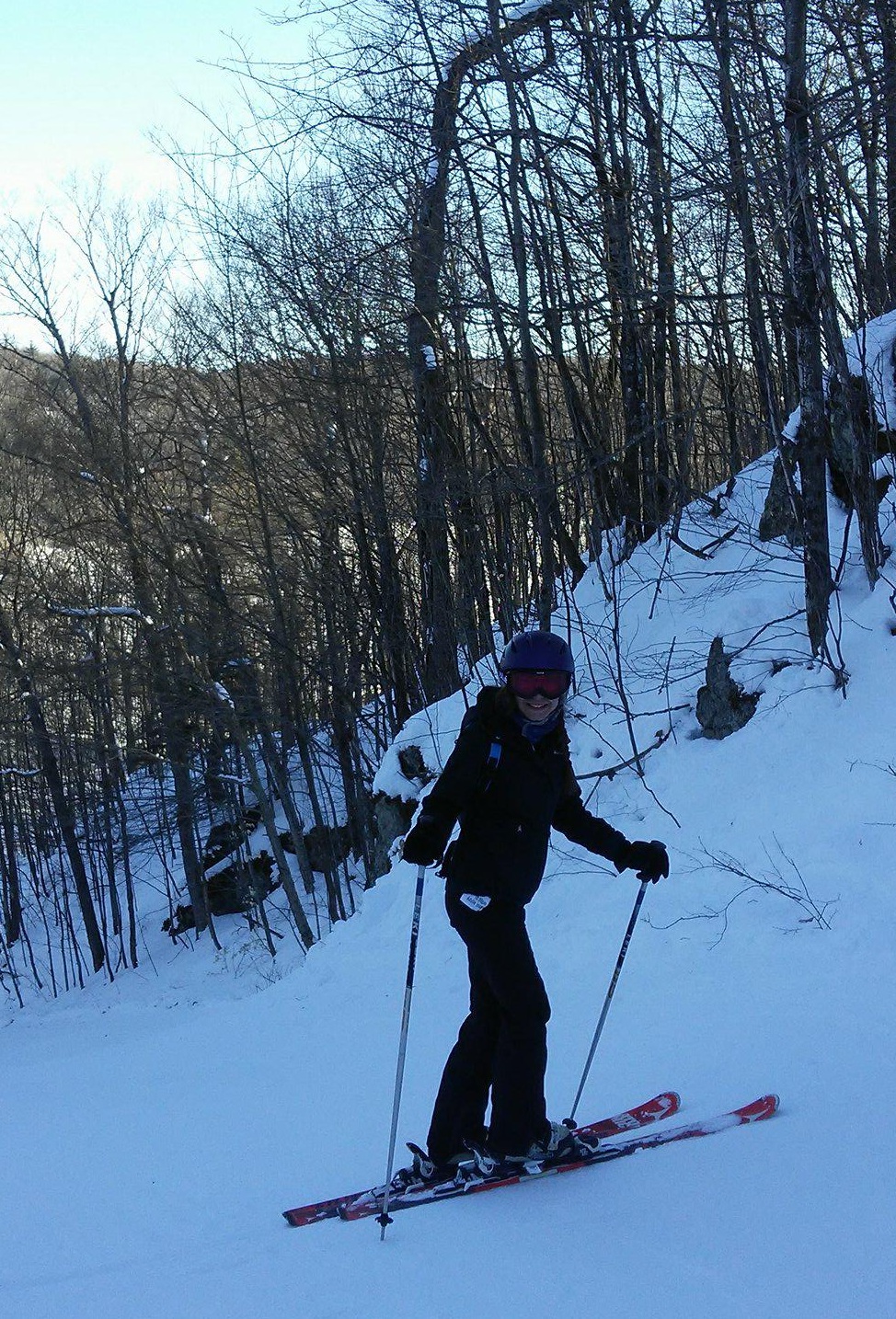
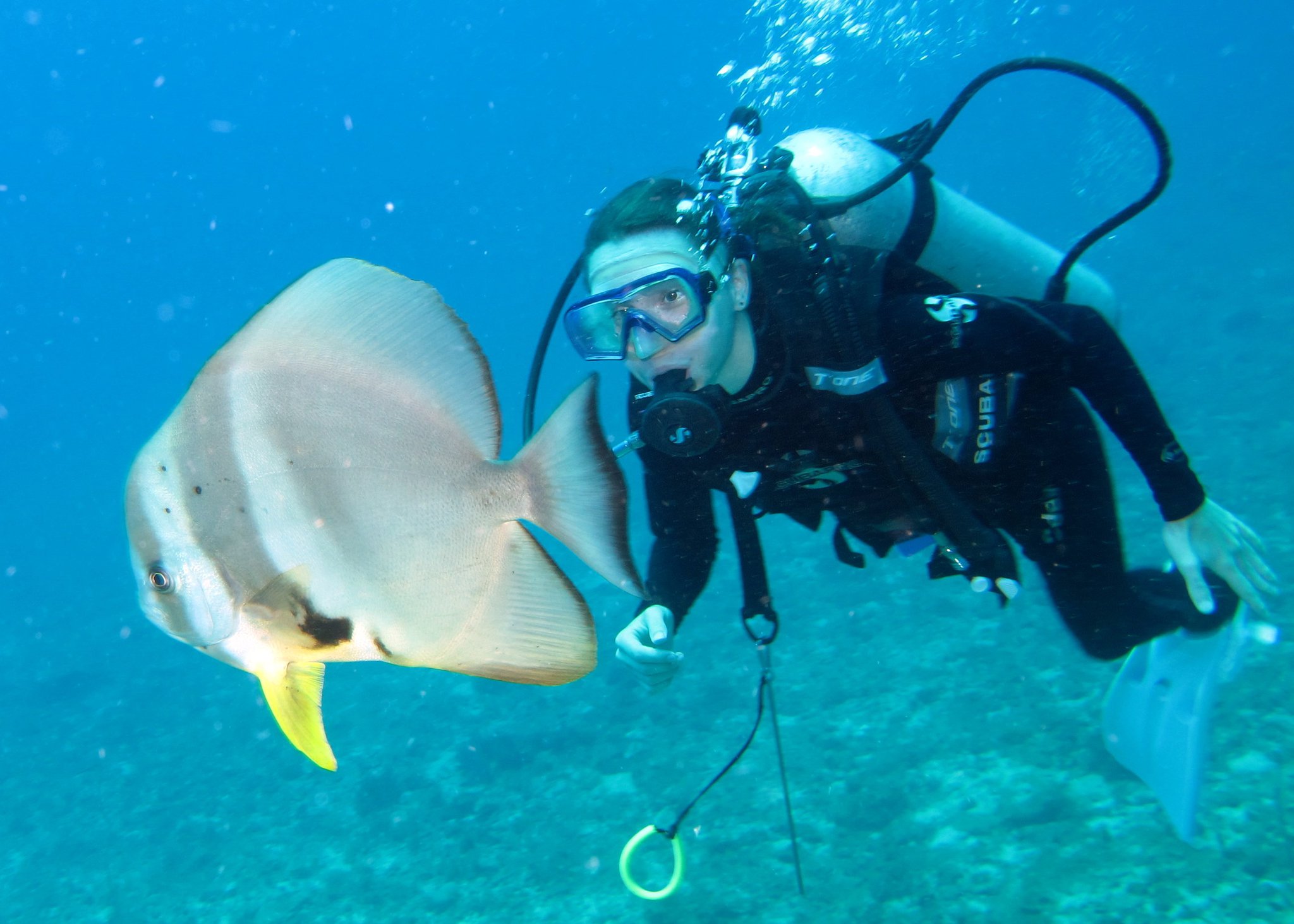
I love spending time outdoors, and particularly enjoy hiking, skiing and scuba diving. I am also happy to say that I am currently training for my first half-marathon, which I will be running on September 22, 2019, in support of the Canadian Cerebral Palsy Registry.  

CAN YOU TELL US ABOUT YOUR EXPERIENCE WITH BRAIN-BASED DEVELOPMENTAL DISABILITIES?

I have mild spastic cerebral palsy (CP). From struggling with walking stairs to now being able to enjoy skiing and training for a half-marathon, I have to say that my experience with this condition has been that I have come to see it not as a weakness but as a testament to the importance of determination, and above all as a motivation to always continue pushing my own limits. This is a perspective that I have since tried to apply as much as possible not only in terms of physical activities, but also in my academic pursuits.

WHY DID YOU WANT TO GET INVOLVED WITH CHILD-BRIGHT?

I consider the involvement of patients in shaping research priorities and the manner in which research is conducted as crucial to ensuring that patients actually benefit as much as possible from it. I think this is particularly important in the case of conditions such as cerebral palsy and other brain-based disabilities, which have a wide range of manifestations, meaning that patients have a variety of differing challenges, and in turn benefit from different types of interventions. I was therefore extremely glad to hear about the level of patient-centered work being done at CHILD-BRIGHT and was enthusiastic to get involved.

WHAT ARE YOUR HOPES FOR THE NATIONAL YOUTH ADVISORY PANEL?

By bringing together a diverse group of young adults with brain-based developmental disabilities, I hope that the panel will become a valuable platform that helps shape the research process in this field. I am immensely grateful for the support I have received in different ways throughout my life to help me achieve my goals—with, and despite—my disability, and it is therefore my hope that the input of the panel can contribute to give children with brain-based developmental disabilities not only an improved quality of life, but also the support that best allows them to reach their personal goals.

Bill C-81 is in, and we can make it count for children and families!

Français
e_small_Keiko+Shikako-Thomas_headshot.jpg

By Keiko Shikako-Thomas, CHILD-BRIGHT Knowledge Translation Program Co-Lead 

Bill C-81, also known as the Accessible Canada Act, was approved last week by the House of Commons following a process which was started by the federal government in 2015, when it was referenced in the mandate letter of the Minister of Persons with Disabilities and Sports. This bill helps shift the culture relating to accessibility in Canada and includes important provisions to ensure that persons with disabilities can access their human rights and enjoy full citizenship.

small_shutterstock_501570343 copy.jpg

At CHILD-BRIGHT we are excited to witness the passing of this bill alongside other Canadians. As a pan-Canadian patient-oriented research network, we have been collaborating with youth and families of children with brain-based developmental disabilities from across Canada since 2016 to identify their priorities and learn what they think should be priorities in Canadian research. We have developed partnerships to generate research that will have an impact on the way children and youth with disabilities enjoy their right to health and quality of life.

Similar to our stakeholder engagement process at CHILD-BRIGHT, the Bill C-81 process engaged a series of stakeholders along the way, and reflects priorities identified by Canadians collected during their stakeholder consultation phase, during public forums, youth summits, and via online opinion polls.

We see the passing of this bill as a huge step forward for our community, but by nature of its federal reach, remain aware that it has limited impact for CHILD-BRIGHT’s core population: children.

Will the bill have benefits for children with disabilities and their families?

To me, the passing of Bill C-81 not only underlines Canada’s recognition of the rights of individuals with disabilities, but also represents a genuine commitment to working towards equity of opportunity.
— Lena Faust, CHILD-BRIGHT Youth & Network Member

Yes! But because Bill C-81 covers aspects of federal jurisdiction, such as transportation, mass communication, and the use of official languages (American Sign Language [ASL] and Quebec Sign Language [LSQ] have now been recognized as official languages in Canada)—all of which impact both children and adults positively—some of the issues that touch children with disabilities more directly, such as health care, education, and leisure, are not covered, since these fall under provincial jurisdiction. 

Hopefully the passing of the first-ever legislation to support accessibility helps to facilitate the creation and implementation of robust accessibility laws at all levels of government. As an adult with a disability who has been waiting eagerly for this legislation, I see this as a huge step!
— Julia Hanes, CHILD-BRIGHT Youth & Patient-Partner

Progress is being made but there is still much work to be done. We are grateful that the passing of Bill C-81 creates a better space for ongoing discussions and opportunities to put disabilities at the forefront of public discourse. For our CHILD-BRIGHT members, families, youth, researchers, and clinicians, the new law allows more space for interactions with decision makers and an opportunity for us to continue to advocate for the changes we need—and want to see—in the lives of children with disabilities and their families.

By embedding accessibility into the operations of the federal government and all of its programs, our son will be able to exercise his full citizenship. As a key partner in care, the federal government will ensure that our family will have easier access to the essential programs that support us.
— Donna Thompson, CHILD-BRIGHT Patient-Partner

For example, Bill C-81 proposes the creation of an Accessibility Officer position. This person would liaise between persons with disabilities and government. It also proposes adaptations of public buildings to respond to universal accessibility codes. And most importantly, it marks an important historic and cultural shift relating to accessibility rights in Canada, and inclusion for all persons with disabilities.

This is why CHILD-BRIGHT is starting work on the creation of a Policy Hub for childhood disabilities. Through ‘the Hub’, we will seek to gather the unique contributions of families, children, and youth with disabilities, and align this with research evidence, to help influence policy developments that are relevant for children with disabilities in Canada. We want to get the conversation started between policy makers and our CHILD-BRIGHT community and, hopefully, help provide information that will support the inclusion of children and families’ needs as the new bill is implemented in the coming years. More to come on this initiative in future months.

We’re excited to be part of the change we want to see in Canada and in the lives of Canadians with disabilities of all ages. We know that a strategic partnership between researchers, policy makers and concerned members of the community can build a new culture of accessibility in Canada that includes children, and that change can begin today.

For a plain language explanation of the bill, please visit:
https://www.include-me.ca/federal-accessibility-legislation-alliance/resource/accessible-canada-act-plain-language

For the full text of Bill C-81, visit:
https://openparliament.ca/bills/42-1/C-81/

If you want to learn more and participate in the development of the CHILD-BRIGHT Policy Hub in Childhood Disabilities, please contact:
Roberta.cardoso@muhc.mcgill.ca

The proposed accessible Canada act sets out to change that [the presence of barriers for people with disabilities] and create a Canada that is inclusive and accessible for everyone from the get-go. Canadians with disabilities are tired of being treated as an afterthought. This is what Bill C-81 sets out to do: to transform our perceptions of disability and ensure accessibility and inclusion from the start.
— Marc Garneau, Minister of Transport and MP for Notre-Dame-de-Grâce – Westmount (also home to our CHILD-BRIGHT headquarters). Full statement: https://openparliament.ca/bills/42-1/C-81/

Partnering to Support Ontario First Nation Communities

Français

Partnering to Support Ontario First Nation Communities
CHILD-BRIGHT announces new network project to better support children with prenatal opioid exposure and their families

The CHILD-BRIGHT Network is pleased to announce funding for a thirteenth project: Prenatal Opioid Exposure and Neonatal Abstinence Syndrome: A Research Project with Indigenous Peoples in Ontario First Nations. This new network project joins our BRIGHT Beginnings research theme, which funds projects that aim to optimize brain and developmental outcomes.

ICES_logo_Full-Colour_200px.png

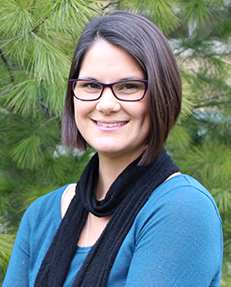
The project comes from a need identified by First Nation communities in Ontario and is led by CHILD-BRIGHT Principal Investigators Astrid Guttmann, Chief Science Officer at ICES and paediatrician at The Hospital for Sick Children; Serene Kerpan, Assistant Professor, Faculty of Health Sciences at the University of Ontario Institute of Technology (UOIT); and Jennifer Walker, Canada Research Chair in Indigenous Health at Laurentian University and Indigenous Health Lead at ICES along with individual community leaders and the Southern Ontario Community Wellness Development Team (CWDT).

 
Astrid Guttmann

Astrid Guttmann

Serene Kerpan

Serene Kerpan

Jennifer Walker

Jennifer Walker


“In 2017, the CWDT team was contacted by First Nations who were concerned about the health of school-aged children with prenatal opioid exposure in their communities,” says Brenda Johnson, Mental Health Facilitator at the CWDT. “We approached ICES for information and support. From this came the development of a partnership between the CWDT, researchers at ICES and UOIT, and professionals who have experience working with Indigenous communities on complex health research topics.”

Neonatal abstinence syndrome (NAS) is a withdrawal syndrome observed in the babies of individuals who either used opioids or were treated for opioid dependence during pregnancy. Prenatal opioid exposure has risen substantially over the past two decades and can have lasting health impacts for infants and children, including potential long-term neurodevelopmental impairments such as cognitive, motor and/or social developmental impairments.

“By working closely with First Nation communities, we strive to better understand prenatal opioid exposure so that future community- and culturally-appropriate interventions can be developed to better support children with prenatal opioid exposure and their families.”
— Jennifer Walker. 

The team, which is composed of researchers, community leaders, and  community partners, is working in partnership to achieve this by:

  1. Building strong relationships with First Nation communities in the Southern Ontario CWDT catchment area

  2. Investigating prenatal opioid exposure and its longer-term neurodevelopmental impairments

  3. Gathering data from the community, including culturally-specific data, in anticipation of the co-development of a community-based intervention to address the longer-term child and family impact of prenatal opioid exposure.

Intergen+family+photo.jpg

In June 2018, communities were invited to attend one of two community-based facilitated information and planning sessions, held respectively in Rama and London, Ontario. A total of 56 delegates from 23 Ontario First Nation communities attended, and teleconference presentations held in the fall of 2018 helped the team reach a total of 33 First Nation communities within the CWDT catchment area. To date, 11 communities have confirmed their participation in the project.

Communities will have the opportunity to participate in one or both arms of the project:

  1. Qualitative research to better understand prenatal opioid exposure through focus groups and individual interviews, and/or

  2. Quantitative research to determine the incidence rates and trends over time of prenatal opioid exposure and neonatal abstinence syndrome at a community level and aggregated for all participating communities.  

“We are happy to welcome the Prenatal Opioid Exposure and Neonatal Abstinence Syndrome team to CHILD-BRIGHT and value the perspective and approach to patient-oriented research that their team brings,” says Frank Gavin, Director of Citizen Engagement at CHILD-BRIGHT. “Often in patient-oriented research, engagement is initiated by researchers, but in this team’s case, the research project was developed in response to First Nation communities seeking to better understand and meet the needs of children with prenatal opioid exposure. Community members initiated and continue to inform the project. We value this approach as well as the wisdom and the knowledge that this team will bring to CHILD-BRIGHT.”

For more information on this project, contact:
Aggie Mazzucco
Project Manager & Research Coordinator
Email

Helping Match UBC Students to Patient-Oriented Initiatives

Français

As part of our efforts to enhance the capacity for patient-oriented research through practical research experience at academic institutions, we are proud to share that with the support of the BC SUPPORT Unit, we have developed the Patient-oriented Research Repository (PoRR) at the University of British Columbia (UBC). This initiative is possible thanks to funding from UBC’s Strategic Investment Fund.

Screen+Shot+2019-03-28+at+3.33.52+PM.jpg

“PoRR is a matchmaking platform that will help connect UBC students with an array of available patient-oriented research (POR) opportunities affiliated to UBC,” says Pierre Zwiegers, CHILD-BRIGHT Training Program Coordinator. “It will support local investigators in hiring undergraduate assistants throughout an academic term.

CHILD-BRIGHT’s Training Program team will support the development and maintenance of the online PoRR matchmaking platform and will help train students in POR using CHILD-BRIGHT’s introductory POR training modules, which were initially designed and presented as part of CHILD-BRIGHT’s Summer Studentship Program.

“By providing UBC students with experiential and practical learning opportunities in patient-oriented research settings, we will help increase their knowledge, understanding and skills relating to patient-oriented research,” says Zwiegers. “This will enable these students, who are Canada’s next generation of researchers, clinicians, and health care decision makers, to adapt to a rapidly evolving health research environment.”

After assessing the uptake and response to the UBC PoRR initiative, CHILD-BRIGHT hopes to pursue similar opportunities and partnerships at other academic institutions across Canada.

For more information about the PoRR, contact porr@cmmt.ubc.ca.