

The CHILD-BRIGHT Network is proud to introduce the winners of the 2025 Training Innovation Fund (TIF)!
Since 2018, this fund has supported innovative, training and capacity-building projects that actively engage partners with lived and living experience (PWLE) in brain-based developmental disability research
Projects focusing on patient-oriented research (POR), knowledge mobilization (KM), implementation science (IS), and/or equity, diversity, inclusion, decolonization and Indigenization (EDI-DI) were eligible for funding through the 2025 competition.
Congratulations to the four winning teams!
Accessibility considerations: Enhancing research impact through inclusivity
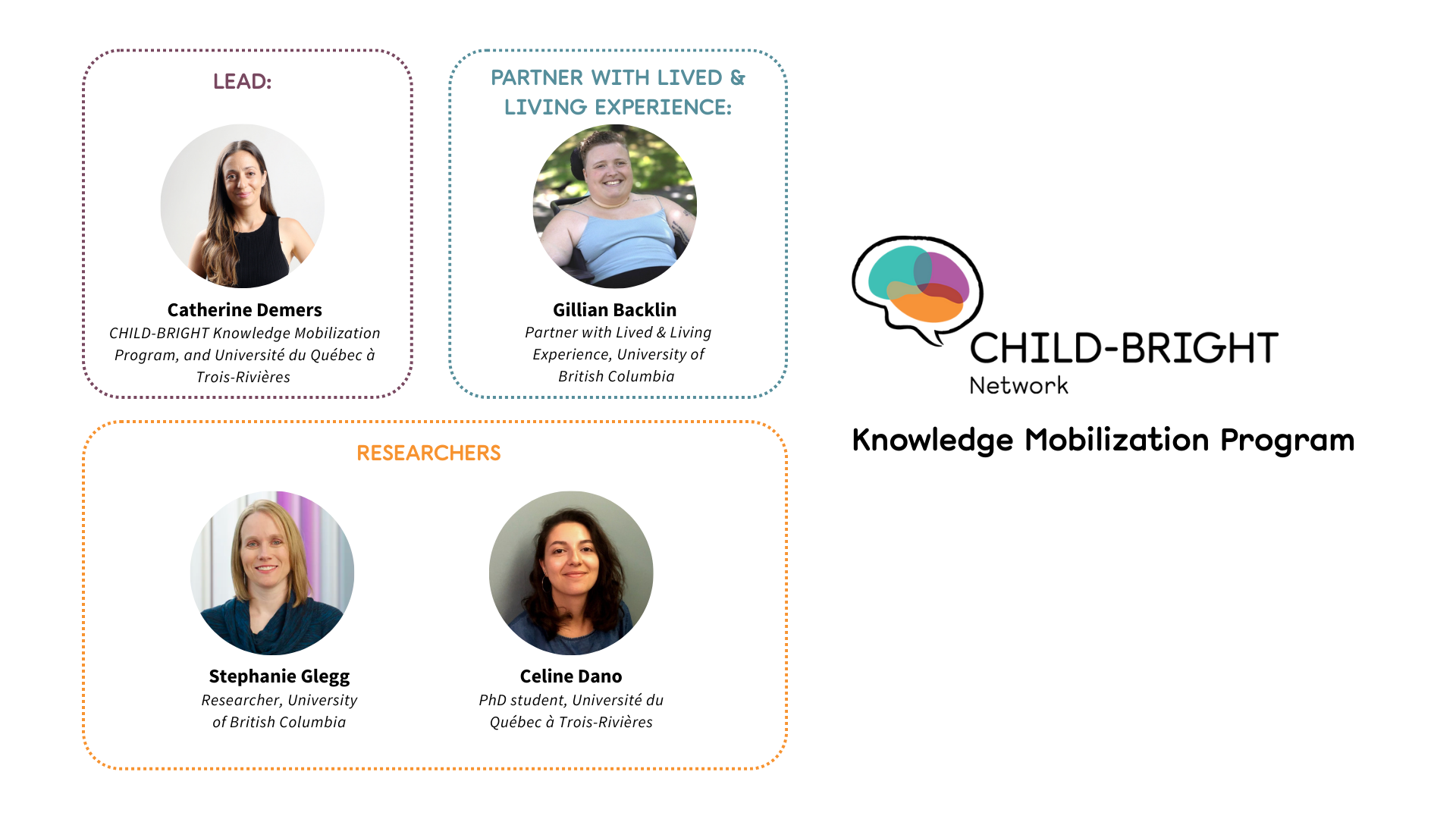
PROJECT SUMMARY:
This project is creating tools and training to make research and KM more accessible and inclusive, especially for people with disabilities. Guided by POR values, the team will review existing best practices, develop a practical toolkit, and offer interactive workshops to help research teams apply inclusive approaches from the start. By involving PWLEs in every phase, this initiative ensures that research is not only accessible but collaborative. Intended result: research that reaches more people, respects diverse needs, and leads to better outcomes for children and families.
FUNDING AMOUNT GRANTED:
$10,000
PROJECT TIMELINE:
January 2025 – December 2025
Training modules to build capacity engaging disabled children and multiply marginalized youth in research

PROJECT SUMMARY:
This project is creating online training modules to help researchers and trainees meaningfully engage disabled children and increase representation of marginalized youth in research. These young voices are often excluded because of ableism, ageism, racism, or other forms of systemic discrimination – despite being central to the research itself. The training will be co-developed with PWLEs to ensure it reflects real needs and respectful approaches. By addressing this gap, the project will support more inclusive research practices that truly reflect the diverse experiences of children and youth with brain-based disabilities.
FUNDING AMOUNT GRANTED:
$10,000
PROJECT TIMELINE:
January 2025 – December 2025
CHILD-BRIGHT Coaching: Developing and piloting a national coach training program

PROJECT SUMMARY:
This project team is developing and test a national coach training program for CHILD-BRIGHT Coaching, a virtual support service for caregivers of children with suspected developmental delays who are waiting for diagnoses or services. Long wait times can leave families feeling overwhelmed and alone; this program empowers caregivers and builds resilience during those critical months. The training will be refined and piloted with a Quebec-based organization, helping ensure it works in real-world community settings. By strengthening coach training, this project supports the broader rollout of CHILD-BRIGHT Coaching to better serve families across Canada.
FUNDING AMOUNT GRANTED:
$10,000
PROJECT TIMELINE:
August 2024 – March 2026
Empowering caregivers: Co-developing evidence-based sexual health resources to facilitate discussions between caregivers and autistic children and youth
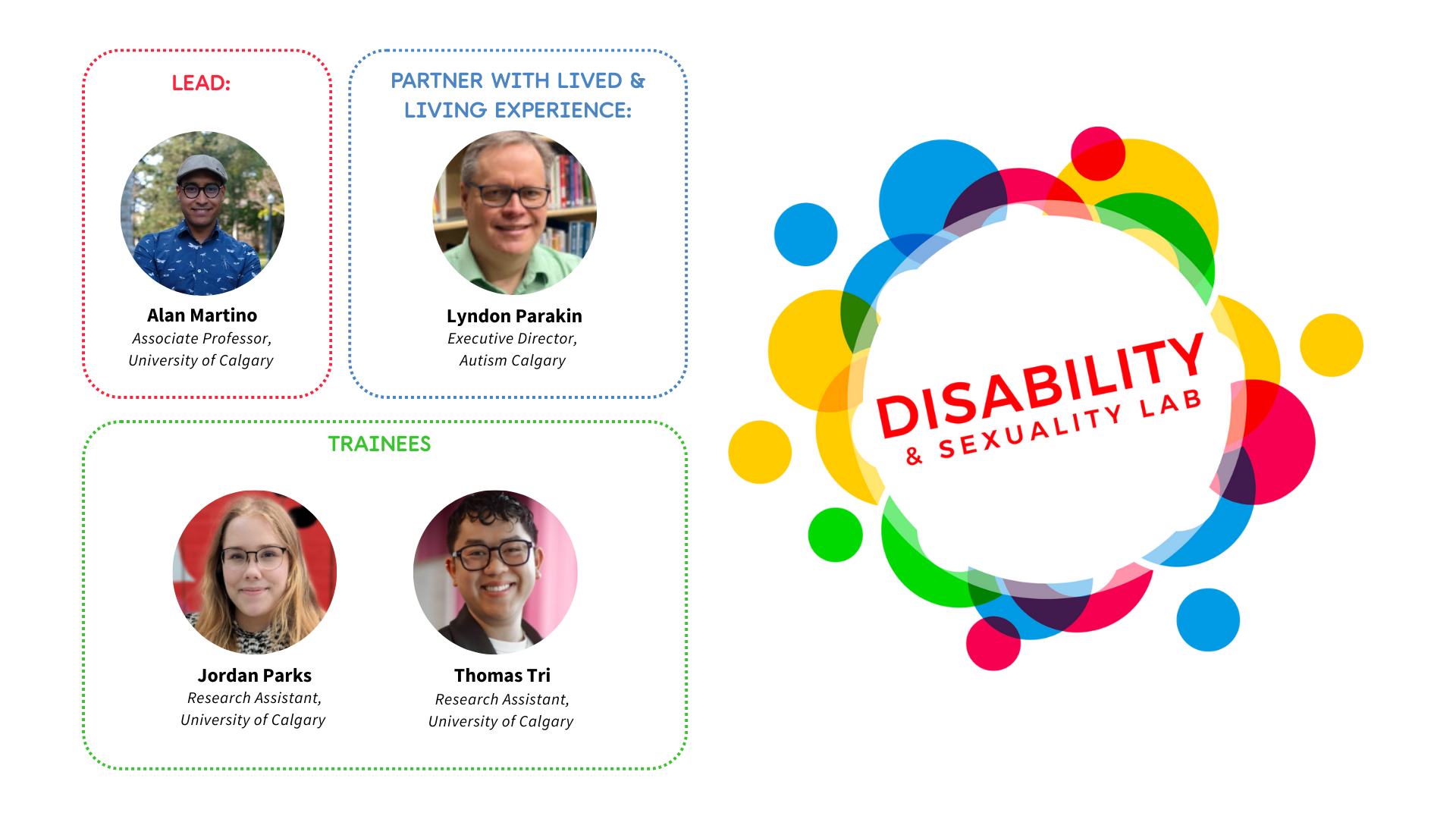
PROJECT SUMMARY:
This project will co-create sexual health toolkits to help caregivers have open, informed conversations with autistic children and youth. Developed in partnership with autistic adults and caregivers, the resources will be inclusive, culturally sensitive, and grounded in real experiences. A companion “how-to” guide will share lessons learned about co-creating knowledge with PWLEs. By addressing a major training gap, this initiative will support caregivers and promote equitable access to sexual health education for autistic youth.
FUNDING AMOUNT GRANTED:
$9,500.00
PROJECT TIMELINE:
January 2025 – January 2026

These projects showcase what sets the CHILD-BRIGHT Network apart: a commitment to partnering with PWLEs to generate knowledge and transform the healthcare system. Through the TIF, we’re investing in future patient-oriented researchers and brighter futures for children with brain-based developmental disabilities and their families.