
Postdocs in the Spotlight: Sevinj

Welcome to our new blog series highlighting the work of our Azrieli CHILD-BRIGHT postdoctoral fellows!

Within the various research projects underway at the CHILD-BRIGHT Network, postdoctoral fellows play a crucial role. This year, thanks to the generous contribution of the Azrieli Foundation, we’re delighted to welcome a new cohort of up-and-coming scientists who are passionate about patient-oriented research (POR) and its incredible potential in the study of pediatric brain-based developmental disabilities. In the next few weeks, we’ll be showcasing each of our postdocs and the pivotal work they’re doing at CHILD-BRIGHT, across Canada. 

training & capacity-building program
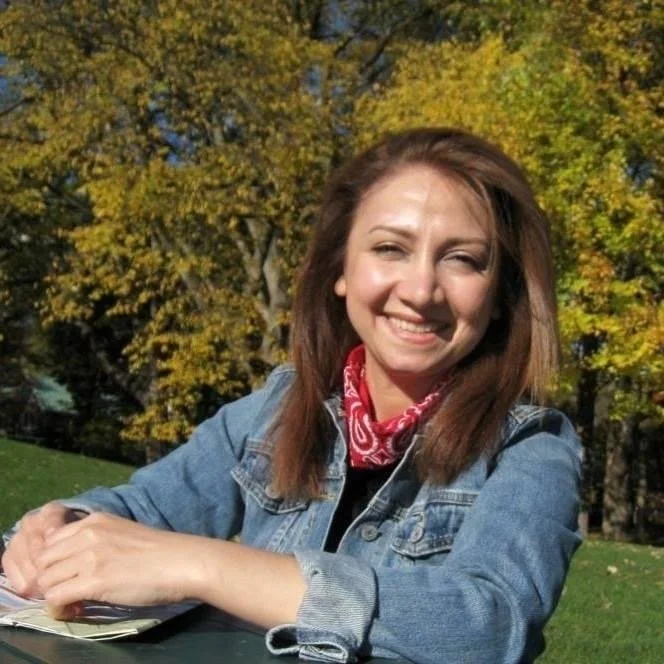
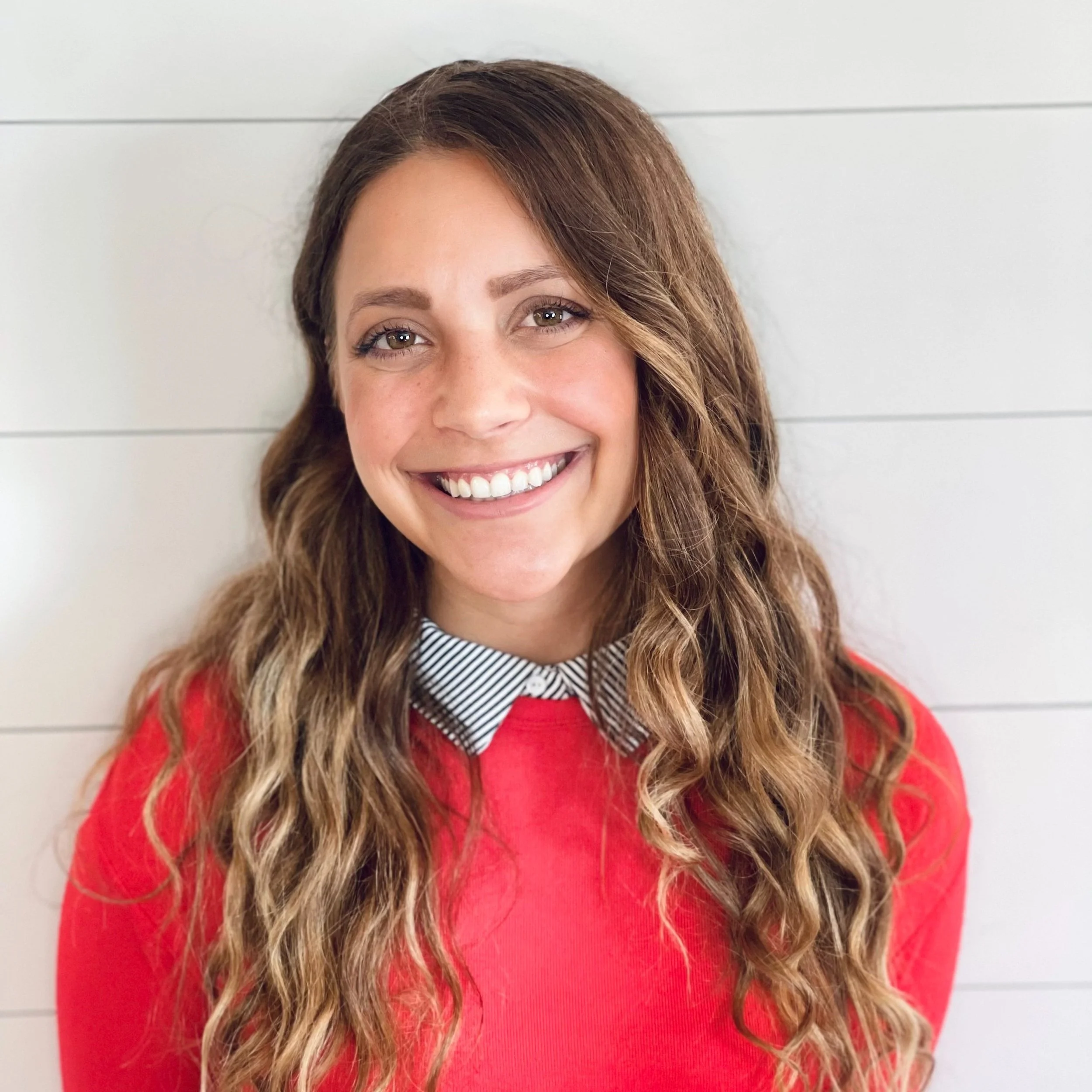
Sevinj Asgarova (she/her)

Postdoctoral fellow | School of Social Work, University of British Columbia 

Sevinj is a postdoctoral fellow with the CHILD-BRIGHT Training & Capacity Building Program, which offers courses, workshops, and seminars on patient-oriented research (POR) for researchers, trainees, and patient-partners with lived experience. 

Under the supervision of program co-lead Daniel Goldowitz, Sevinj is evaluating the capacity-building initiatives that support successful career paths for emerging patient-oriented researchers in the field of pediatric brain-based developmental disabilities. Currently, she's looking at the impact of CHILD-BRIGHT’s Graduate Fellowship in POR and how the program could be improved. 

I think it’s important for us to move patients into research teams and move research into improved practice, ultimately leading to better quality of care.
— Sevinj

Sevinj has long been interested in POR and is happy to see that there has been a concerted effort in the research world to move towards a model of patient-centred care. But a lack of training and knowledge in POR, among both researchers and patients, is a major barrier to change. This need is what ultimately drew Sevinj to CHILD-BRIGHT's Training & Capacity Building Program, where she’s helping to evaluate existing capacity-building opportunities and POR strategies. 

“Listening to patient-partners will help us direct our research priorities,” says the Vancouver-based postdoc. “And in the long term, it will lead to improved outcomes in a health care system that better reflects the needs of those it serves.” 

Sevinj knows that the skills and knowledge she’s acquiring will have a lasting impact on her future. “It’s a great opportunity!” she says. “I’m conducting research evaluations, disseminating my work through manuscripts and conferences, and even improving my grant writing skills.” Sevinj, who plans to focus her own research on pediatric brain-based developmental disabilities after completing the fellowship, firmly believes that everything she’s learning will help her reach the next phase in her career. 
Marlyn Bennett is our new EDI-DI Program co-lead!

We are thrilled to announce that acclaimed interdisciplinary researcher and academic Marlyn Bennett will be joining the CHILD-BRIGHT Network’s EDI-DI Program as co-lead with Nomazulu Dlamini. Marlyn’s role will be pivotal in ensuring that the principles of equity, diversity, inclusion, decolonization, and Indigenization are authentically embedded across all aspects of CHILD-BRIGHT's work, making a lasting impact on childhood disability research.

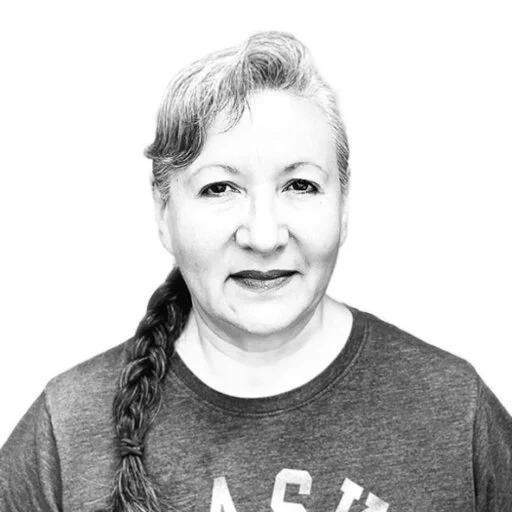
Black and white headshot of Marlyn Bennett.

Marlyn Bennett

Faculty of Social Work and Werklund School of Education | University of Calgary

Faculty of Social Work | University of Manitoba

2023 Canada Research Chair for Indigenous Children’s Wellbeing

EDI-DI Co-Lead at the CHILD-BRIGHT Network

About Marlyn

Marlyn is Anishinaabe from the Treaty 1 community of Sandy Bay Ojibway Nation in Manitoba, Canada. She recently joined the University of Calgary’s Faculty of Social Work and Werklund School of Education as the 2023 Canada Research Chair for Indigenous Children’s Wellbeing. In addition, she remains an adjunct professor in the Faculty of Social Work at the University of Manitoba.

Marlyn’s background is layered and multidisciplinary. At 24, she went to law school with the plan of becoming a lawyer. “But I got sucked into social work,” she says with a laugh. “I also became a mother, which affected my plans.” After leaving her law degree, Marlyn sought out roles in connection with Indigenous child welfare and family services, both within and outside of academia. She worked as a policy analyst, a research assistant, and a seasonal lecturer before finally beginning a degree in social work at the University of Manitoba in 2003. She went on to complete an interdisciplinary Ph.D. in 2016.

Today, Marlyn's research is centred on the experiences of Indigenous women and youth within the child welfare system. “My focus is really on the wellbeing of Indigenous children,” says Marlyn, who went into foster care herself at age 12 after her mother’s passing.

Storytelling in health research

A strong proponent of arts-based approaches and qualitative research methodologies, Marlyn is particularly interested in how storytelling methods can be applied within Indigenous health research. One method she’s especially known for is digital storytelling: an innovative, collaborative process that combines traditional storytelling and digital technologies. Using visuals and audio, participants tell personal stories through the creation of short video clips. 

“Digital storytelling is also a land-based approach,” says Marlyn. “It’s about bringing Indigenous people together in a cultural gathering, where they’re out on the land. It gives them access to their community, their Elders, the land, and each other.” 

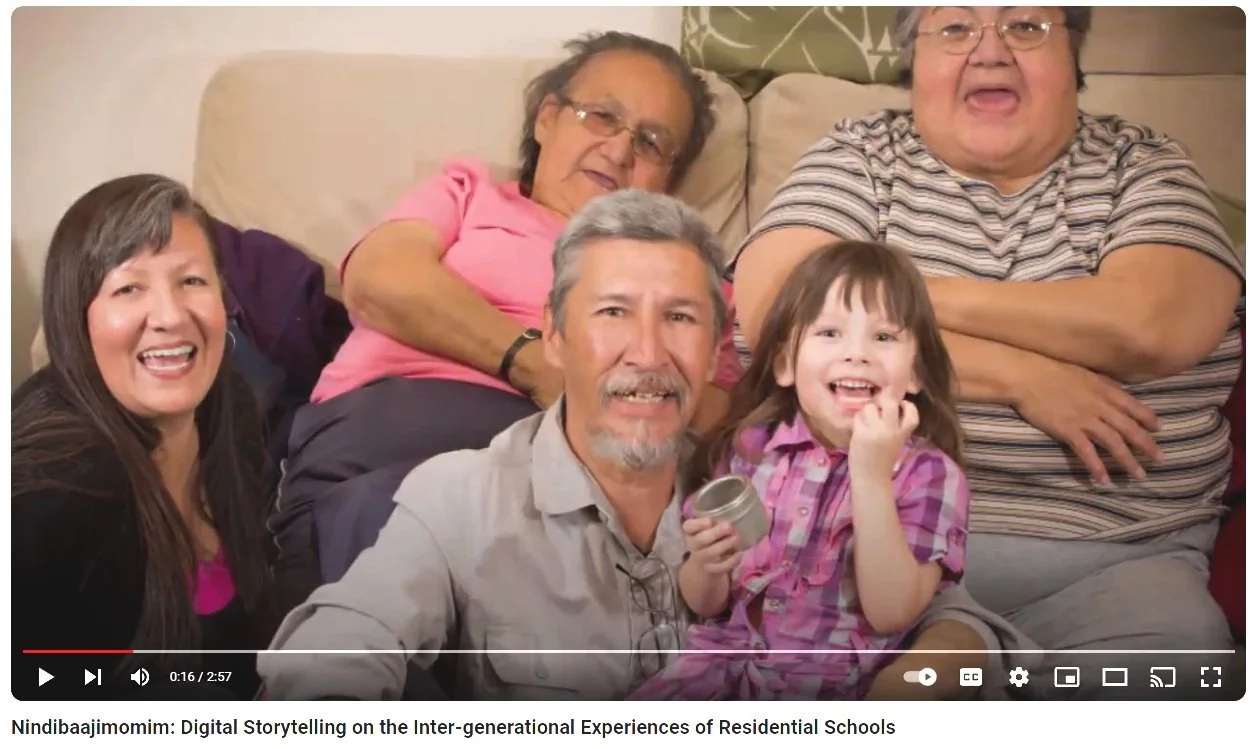
Marlyn first learned about digital storytelling in 2013, through a project organized by the University of Winnipeg’s Oral History Centre on the intergenerational effects of residential schools. Marlyn created her first digital story, My Mother’s Love Was in a Bowl of Porridge, which explores her complex relationship with her mother. The experience, she says, was truly eye-opening. “I loved it!” she says. “I loved being able to tell my story my way.” It also had a profound effect on her research: during her Ph.D., Marlyn began to use digital storytelling with former youth in care. 

Screenshot of Marlyn's digital story, featuring Marlyn and her family members.

Screenshot of Marlyn’s digital story, My Mother’s Love Was a Bowl of Porridge.

Photovoice is another method that Marlyn applies in her work. This approach involves giving participants a camera and asking them to take photographs in response to a question. Afterwards, they’re given the opportunity to talk about the meaning behind their photos. “You get such rich detail, because people are so passionate," says Marlyn. “They want to tell their stories. It’s not intimidating to them.” She adds that photovoice participants are given food before and after the photo-taking, to create a sense of ceremony and warmth.

Highlighting Indigenous perspectives

Marlyn first became involved with CHILD-BRIGHT in 2022 when her friend and fellow researcher Lucyna Lach invited her to join the network’s Indigenous Advisory Council, which aims to guide and inform CHILD-BRIGHT's work. Lucyna was also the one who recommended Marlyn for the EDI-DI Program. “She suggested that I would be a really excellent person for the role,” says Marlyn.  

When asked what she hopes to bring to the program as co-lead, Marlyn doesn’t hesitate. “I want to make sure that Indigenous Ways of Knowing and Being are considered. That we’re being mindful of the incredible diversity of Indigenous communities in this country: North to South, on reserve and off reserve.” Indigenous People, Marlyn points out, have always been here. “We’re unique. Our issues are different than those experienced by other ethnic groups in Canada. It’s important that we engage with these differences as we consider things like patient engagement and hospital care.” 

Some Indigenous people have lost connection with their communities. There’s a spectrum: those who know who they are, those who are still on the path, and those in various stages in between.
— Marlyn

Marlyn is also keen to explore cultural safety (i.e., when a person feels safe receiving health care). “If a person doesn’t know how to ask for services that make them feel safe, we need to teach them how to advocate for themselves,” she says. As an example, she says she would love to walk into a hospital room and smell sweetgrass. 

Overall, Marlyn is passionate about bridging Indigenous and Western perspectives in health care, and she highlights the importance of recognizing the strengths in how Indigenous People see the world. “We need to see ourselves reflected in those spaces,” says Marlyn. “But better yet, we need to have services that are local to our communities.” 


Postdocs in the Spotlight: Sam

Welcome to our new blog series highlighting the work of our Azrieli CHILD-BRIGHT postdoctoral fellows!

Within the various research projects underway at the CHILD-BRIGHT Network, postdoctoral fellows play a crucial role. This year, thanks to the generous contribution of the Azrieli Foundation, we’re delighted to welcome a new cohort of up-and-coming scientists who are passionate about patient-oriented research (POR) and its incredible potential in the study of pediatric brain-based developmental disabilities. In the next few weeks, we’ll be showcasing each of our postdocs and the pivotal work they’re doing at CHILD-BRIGHT, across Canada. 

CHILD-BRIGHT COACHING project

Sam Noyek (she/her)

Postdoctoral fellow | Department of Pediatrics and Child Health, University of Manitoba 

Sam is delighted to be joining the CHILD-BRIGHT Coaching project, supervised by co-principal investigator (PI) Kristy Wittmeier. 

CHILD-BRIGHT Coaching is the second half of a two-part project. In Phase 1, co-PIs Annette Majnemer and Maureen O'Donnell and the BRIGHT Coaching research team partnered with Canadian health care providers and caregivers to develop an innovative virtual coaching program for parents of preschool children with emerging developmental delays. The goal was to empower families and provide caregivers with the skills needed to optimally support their child while waiting for a diagnosis or interventions. Now in Phase 2, the CHILD-BRIGHT Coaching team is studying how this program can be successfully implemented in four provinces.

“My research has always involved patient-oriented approaches,” says Sam. On this project, her responsibilities are wide-ranging. In addition to being involved in the writing of research manuscripts, she’s facilitating discussion groups on how the evidence generated in Phase 1 can be used in real-world settings—an essential part of this implementation science-focused Phase 2 project. She’s also looking into potential barriers and facilitators to implementation and building relationships with Indigenous partners to explore the cultural safety and appropriateness of the virtual coaching program.

I believe that conducting research alongside persons with lived experience makes research all-around better and more meaningful!
— Sam

As a qualitative researcher (i.e., a researcher who studies people’s behaviour and perceptions), Sam is passionate about understanding the lived experiences of often overlooked groups, specifically within the health care system. She believes that approaching patient experiences from a holistic perspective is necessary to make real, systemic changes.

“This fellowship is allowing me to gain a deep understanding of implementation science approaches, and how best to apply them,” says Sam. She’s also happy to have the opportunity to work alongside Indigenous partners. “I’m developing a better understanding of non-Western ideologies, and that’s definitely going to influence how I conduct patient-oriented research going forward!” 

Postdocs in the Spotlight: Angie

Welcome to our new blog series highlighting the work of the Azrieli CHILD-BRIGHT postdoctoral fellows!

Within the various research projects underway at the CHILD-BRIGHT Network, postdoctoral fellows play a crucial role. This year, thanks to the generous contribution of the Azrieli Foundation, we’re delighted to welcome a new cohort of up-and-coming scientists who are passionate about patient-oriented research (POR) and its incredible potential in the study of pediatric brain-based developmental disabilities. In the next few weeks, we’ll be showcasing each of our postdocs and the pivotal work they’re doing at CHILD-BRIGHT, across Canada. 

CHILD-BRIGHT ADAPT project

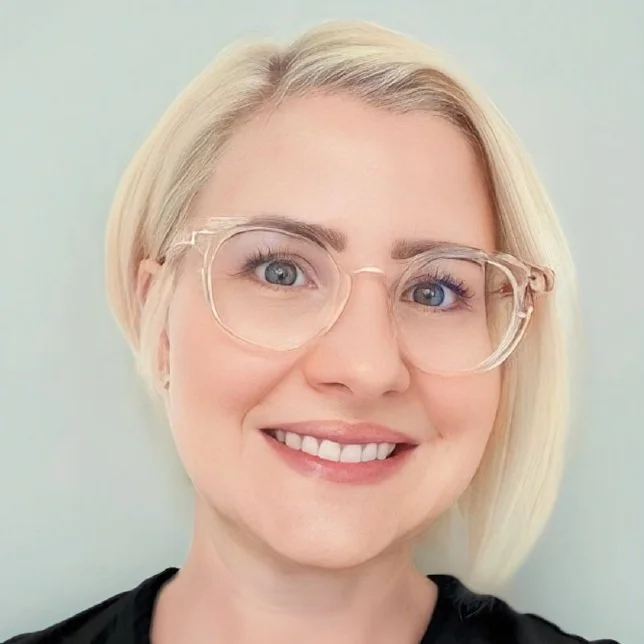
Angie Lim (she/her)

Clinical Nurse Specialist - Interprofessional Practice (CNS-IP)

Adjunct Lecturer | Lawrence S. Bloomberg Faculty of Nursing, University of Toronto

Research associate & postdoctoral fellow | Child Health Evaluative Sciences, The Hospital for Sick Children 

Based in Toronto, Angie is joining CHILD-BRIGHT ADAPT: Assessing and Developing an Adapted navigator role to support Parents during neonatal Transition – the second half of a two-phase project. 

In Phase 1, the research team piloted a new type of care for families transitioning home with their baby from the neonatal intensive care unit. Specifically, they assigned families a point person (“navigator”) who focused on three components of support: 1) care coordination, 2) parent education and empowerment, and 3) mindfulness using an Acceptance and Commitment Therapy (ACT) framework. 

Now, in Phase 2, the team is studying how to implement the effective components of this intervention across Canada, in preparation for wide-spread implementation. 

Angie’s role as a postdoctoral fellow is central and multifaceted. Under the supervision of the project’s co-principal investigator (PI), Julia Orkin, she is fine-tuning the team’s research protocols to make sure they meet their project goals, as well as leading project management, overseeing the study’s progress, and ensuring that milestones are met on time. She is also using Knowledge Mobilization strategies to ensure that results are communicated in a way that’s accessible to a wide, diverse audience. 

I was drawn to patient-oriented research because I believe that our health care system should evolve based on patient needs and real-world effectiveness.
— Angie

As a researcher and registered nurse, Angie has a comprehensive understanding of how POR can lead to interventions that are more likely to be accepted and adopted in practice, ultimately boosting patient engagement and improving health outcomes.  

“By incorporating the patient’s perspective, we can design and implement research that’s more aligned with the experiences of those it aims to benefit,” says Angie. 

When asked how she thinks this fellowship will impact her future, Angie is enthusiastic. “This fellowship is a cornerstone in my career. It’s an incredible introduction to the field of Implementation Science, which is essential for bringing research to the bedside.”  

Angie is certain that this interdisciplinary and collaborative fellowship will not only broaden her professional network, but also open doors to future research partnerships. “I’m gaining such invaluable skills and experience,” she adds. “Everything I’m learning will help me conduct more impactful research and communicate findings more effectively for diverse audiences.”   

Ultimately, Angie believes that this fellowship will lay a strong foundation for her future as a researcher and clinician. 

Carrie Costello receives the 2023 Frank Gavin Patient Engagement Leadership Award

Français

In June 2023, one of our dearly valued network members, Carrie Costello, was selected as the recipient of our Frank Gavin Patient Engagement Leadership Award. Established in honour of CHILD-BRIGHT's first Director of the Citizen Engagement Program, the award recognizes patient engagement leaders in research related to children and youth with brain-based developmental disabilities. 

About Carrie

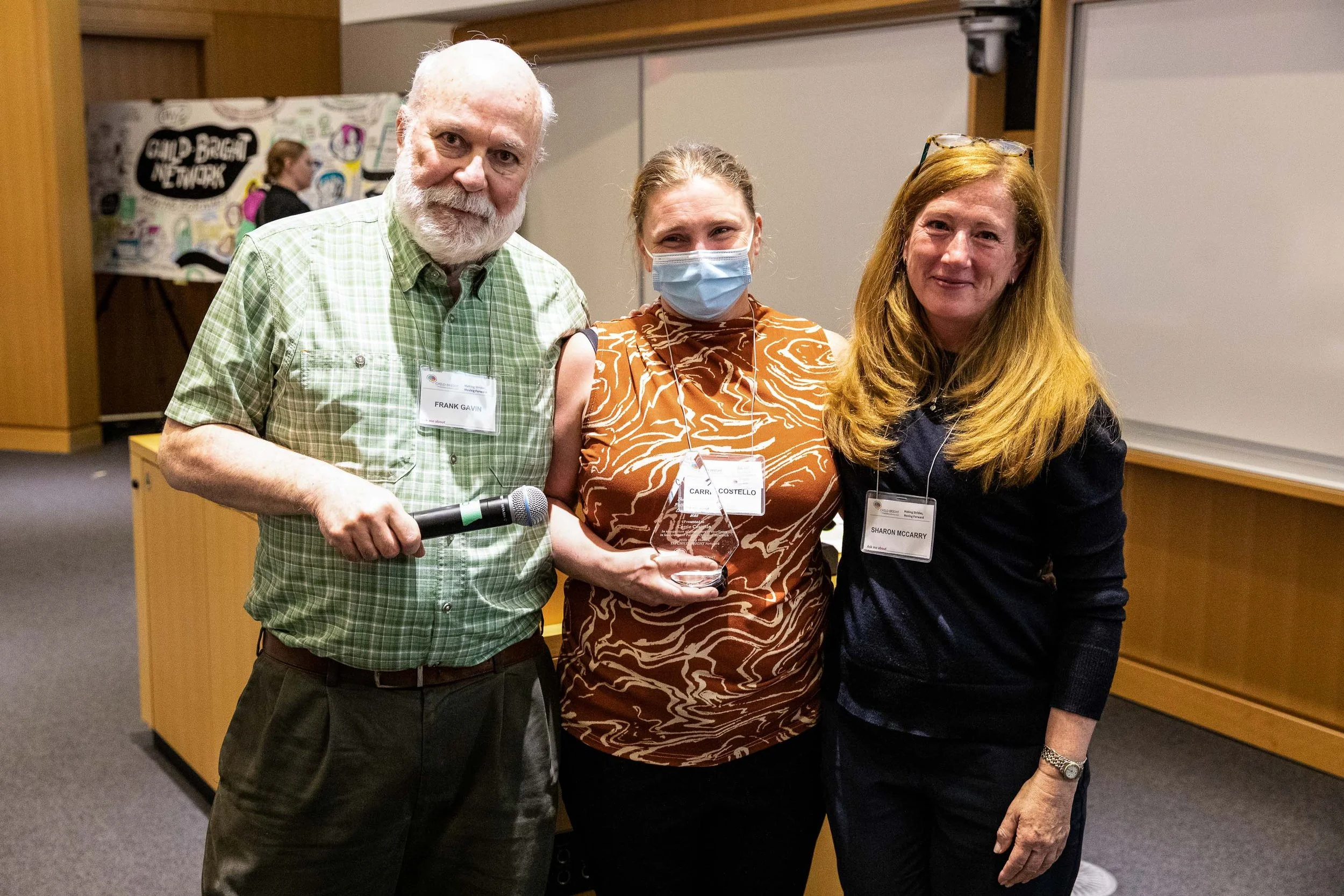
Carrie holds her trophy between Frank Gavin and Sharon McCarry

Frank Gavin (left), Carrie Costello (centre), and Sharon McCarry (right).

As we considered candidates for the Frank Gavin award, Carrie repeatedly stood out for her unrivalled passion, tireless advocacy work, and seemingly limitless energy. “It is indeed rare that a person assumes a role that is immediately recognizable as a role they were born to do,” wrote one enthusiastic individual in their letter of support. “Carrie is one of these people.” 

In their statements, Carrie’s nominators described her as someone with natural intuition and compassion, and an inspiring ability to connect with diverse audiences within the health care and education systems. 

Like many of the network’s lived experience partners, Carrie had no formal background in research when she joined the CHILD-BRIGHT family. After graduating with a Bachelor of Fine Arts from the University of Victoria, she became an award-winning playwright for young audiences, a skilled puppeteer, and a sought-after educator. Carrie also became a proud mother of three. In 2016, it was pure chance that led her to CHILD-BRIGHT: “One of the network’s research teams put out a call for parents with lived experience,” says Carrie, whose middle daughter has an intellectual disability and a seizure disorder. “The project looked really interesting, and so I answered it!” 

Carrie, based in Manitoba, joined the Parent Advisory Committee for the BRIGHT Coaching study, which created and tested a coaching program for families of preschoolers with suspected developmental delays in four provinces. Carrie had a strong voice from the start, and her valuable insights and contributions shaped the program’s content and materials. “The move to support families in a research setting didn’t feel strange at all,” recalls Carrie. “And I love to continually learn. Similar to theatre, each new project brings me new opportunities to learn and meet new people.”

In 2019, Carrie became CHILD-BRIGHT's Parent Liaison, working directly with other parents of children with brain-based developmental disabilities involved in different research projects and committees, and acting as their link to the CHILD-BRIGHT Citizen Engagement Council. When the BRIGHT Coaching project transitioned to its second phase, Carrie was invited to be one of the six co-principal investigators (co-PIs)—a move that testifies to her growing expertise and influence in the brain-based developmental disability community. 

A natural leader

Carrie and her daughter.

When asked what winning the Frank Gavin award meant to her, Carrie is candid. “Honestly, this award came at a moment I really needed it. I was losing hope that the work I was doing made any difference. Receiving this recognition from so many people I value and respect is a great honour.” 

Since 2019, Carrie has supported the patient-oriented research work of 12 CHILD-BRIGHT Phase 1 research projects and continues to offer support in Phase 2. She’s also serving as the Vice-Chair of the CHILD-BRIGHT Citizen Engagement Council, welcoming new members of the brain-based disability community to the network. What’s more, she publishes widely in academic journals and the lay press. “Although she has been formally involved in research only since spring 2021, her list of accomplishments demonstrates a lifetime commitment to patient engagement,” wrote one of Carrie’s award nominators. 

All who have met and had the pleasure of working with Carrie agree that her impact on the patient-oriented research community has, and continues to be, profound. She is a natural leader, teacher, advocate, and collaborator. We can think of no person more deserving of this award. On behalf of everyone at CHILD-BRIGHT, we’d like to extend our heartfelt congratulations to Carrie! We’re thrilled to be able to celebrate your many achievements.

In 2024, we will be widening the scope of the Frank Gavin award: Eligible CHILD-BRIGHT candidates will include adults as well as youth with lived experience involved in brain-based developmental disability research. Look out for our call for nominations in the new year!